
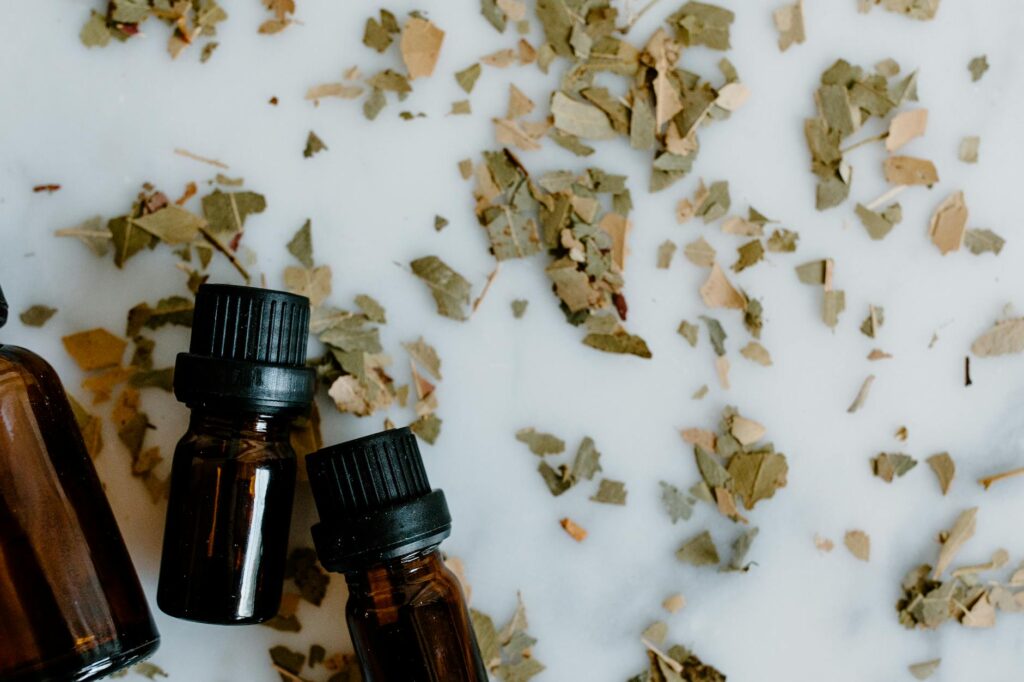
Aromatherapy Uses of Aromatherapy for Seasonal Mood Regulation Blends
Introduction
As the seasons change, many individuals experience fluctuations in mood and emotional well-being. Aromatherapy, a holistic approach utilizing essential oils derived from plants, offers a natural method to support emotional balance and enhance mood. This article explores the concept of seasonal mood regulation blends, their benefits, applications, and essential oils commonly used to help navigate the emotional challenges of changing seasons.
What Is Aromatherapy for Seasonal Mood Regulation Blends?
Aromatherapy involves the use of essential oils to promote physical, emotional, and psychological well-being. Seasonal mood regulation blends specifically target the emotional challenges that can arise with seasonal transitions. The blends are crafted to enhance mood, relieve stress, and foster a sense of calm and balance.
These blends typically include essential oils known for their uplifting and grounding properties, tailored to the emotional needs of each season. For instance, uplifting oils may be favored in the winter months to combat feelings of lethargy, while calming oils could be more beneficial during the bustling summer.
Key Benefits and Properties
The key benefits of using aromatherapy for seasonal mood regulation include:
1. Emotional Balance: Essential oils can help stabilize mood swings and promote a more consistent emotional state.
2. Stress Relief: Many essential oils possess calming properties that can alleviate stress and anxiety, allowing individuals to manage seasonal pressures more effectively.
3. Enhanced Clarity and Focus: Certain oils can promote mental clarity and focus, which can be particularly beneficial during transitional periods.
4. Improved Sleep Quality: Seasonal changes can disrupt sleep patterns. Aromatherapy can support better sleep through relaxation-inducing oils.
5. Holistic Well-being: Aromatherapy contributes to overall wellness by addressing not just emotional but also physical aspects, fostering a comprehensive sense of health.
Common Essential Oils for Seasonal Mood Regulation
Some of the most commonly used essential oils for mood regulation include:
- Lavender: Known for its calming properties, lavender is often used to reduce anxiety and promote relaxation.
- Citrus Oils (like Sweet Orange and Lemon): These oils are renowned for their uplifting effects, making them ideal for combating winter blues.
- Bergamot: This oil can help alleviate feelings of sadness and improve mood.
- Frankincense: Known for its grounding effects, frankincense can support emotional tranquility.
- Peppermint: This invigorating oil can help enhance focus and energy, especially beneficial during sluggish seasons.
- Diffusion: Using an essential oil diffuser to disperse the aroma throughout a space can create a soothing environment.
- Topical Application: Diluting essential oils with a carrier oil and applying them to pulse points can provide direct emotional support.
- Baths: Adding essential oils to bathwater can enhance relaxation and promote emotional well-being.
- Inhalation: Simply inhaling the scent of essential oils directly from the bottle or through a personal inhaler can provide immediate effects.
- Homemade Products: Incorporating essential oils into personal care products, such as lotions or candles, can create a holistic wellness experience.
- Spring Uplift Blend: Combine 4 drops of Sweet Orange, 3 drops of Lavender, and 2 drops of Peppermint for an invigorating aroma that symbolizes renewal.
- Summer Calm Blend: Blend 3 drops of Bergamot, 2 drops of Lavender, and 2 drops of Ylang Ylang for a relaxing yet uplifting scent.
- Autumn Grounding Blend: Mix 4 drops of Frankincense, 3 drops of Cedarwood, and 2 drops of Clary Sage to create a warm, grounding atmosphere.
- Winter Comfort Blend: Combine 4 drops of Cinnamon, 3 drops of Clove, and 2 drops of Sweet Orange for a cozy, comforting fragrance.
- Dark Glass Bottles: Store oils in dark glass containers to protect them from light, which can degrade their quality.
- Cool, Dry Place: Keep oils in a cool, dry environment to prevent oxidation and deterioration.
- Shelf Life: While essential oils can last for several years, their potency may diminish over time. Citrus oils generally have a shorter shelf life (around 1-2 years), while oils like sandalwood and patchouli can last up to 5 years or more.
Common Uses
Seasonal mood regulation blends can be employed in various contexts, including:
Aromatherapy Applications
Creating Seasonal Mood Regulation Blends
When creating your own seasonal mood regulation blends, consider the following steps:
1. Identify Your Needs: Reflect on what emotional or psychological challenges you face during a particular season.
2. Choose Essential Oils: Select oils that resonate with your needs. For example, if you seek to uplift your mood during winter, consider combining citrus oils with uplifting florals.
3. Dilution: Essential oils should generally be diluted in a carrier oil (such as jojoba, coconut, or almond oil) before topical application. A typical dilution is 2-3% for adults, which translates to approximately 12-18 drops of essential oil per ounce of carrier oil.
4. Mixing: Blend your chosen oils in a glass bottle. Shake gently to combine.
5. Testing: Before widespread use, conduct a patch test to ensure you do not have an adverse reaction to any of the oils.
Seasonal Blend Examples
Here are some example blends for each season:
Safety Considerations
While aromatherapy is generally safe, certain precautions should be taken:
1. Dilution: Always dilute essential oils before applying them to the skin to avoid irritation.
2. Allergies and Sensitivities: Conduct patch tests and be aware of any allergies or sensitivities you may have to specific oils.
3. Pregnancy and Nursing: Consult a healthcare professional before using essential oils if pregnant or nursing, as some oils may not be safe.
4. Children and Pets: Use caution when using essential oils around children and pets, as some oils can be harmful.
5. Quality of Oils: Use high-quality, pure essential oils from reputable sources to ensure safety and efficacy.
Storage and Shelf Life
Proper storage of essential oils is crucial for maintaining their efficacy:
Frequently Asked Questions
Can essential oils replace traditional mental health treatments?
While essential oils can complement mental health practices, they should not replace professional treatment or therapy. Always consult a healthcare provider for mental health concerns.
How can I incorporate aromatherapy into my daily routine?
You can incorporate aromatherapy by using a diffuser, applying diluted oils to your skin, adding oils to your bath, or inhaling them directly. Experiment to find what works best for you.
Are there any essential oils I should avoid?
Some essential oils may cause irritation or allergic reactions. Always conduct a patch test and consult with a knowledgeable source if unsure about specific oils.
How do I know which essential oils are best for me?
Identifying your emotional needs during seasonal changes can help guide your selection of essential oils. Research their properties and choose those that resonate with your experiences.
Conclusion
Aromatherapy for seasonal mood regulation offers a natural and holistic approach to navigating the emotional fluctuations that can accompany changing seasons. By understanding the properties of essential oils and how to use them effectively, individuals can create personalized blends that support their emotional well-being. As you explore this aromatic journey, remember to prioritize safety and enjoy the enriching experience that aromatherapy can provide.