
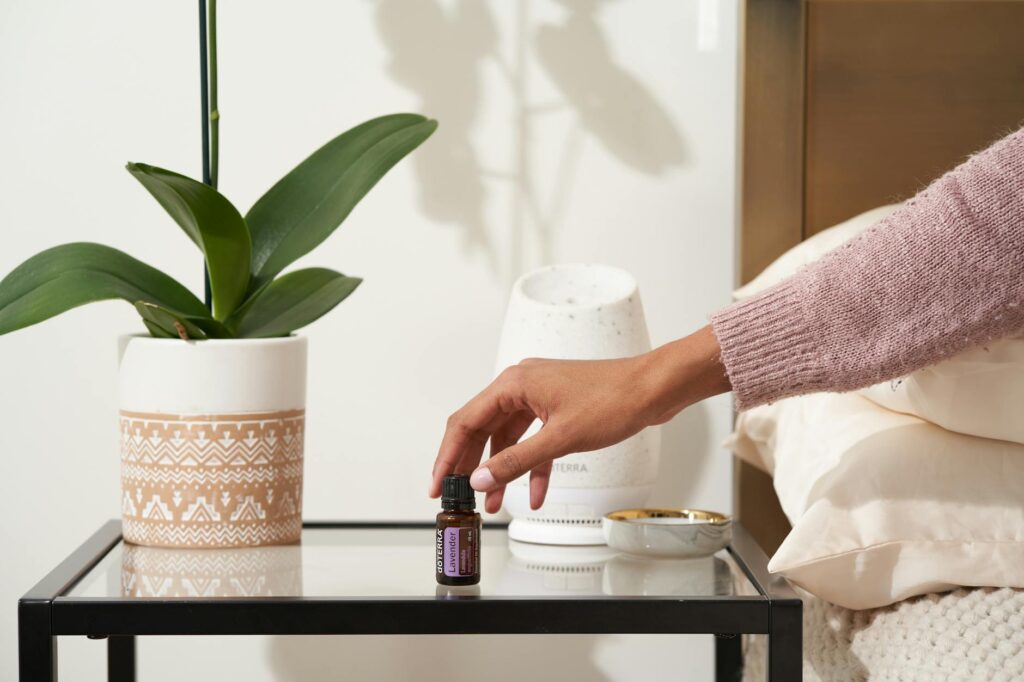
Aromatherapy Uses of Aromatherapy for Sleep Hygiene Blends
Introduction
Aromatherapy is an ancient practice that harnesses the therapeutic properties of essential oils to enhance well-being and promote relaxation. Among its myriad applications, one of the most sought-after uses is in the realm of sleep hygiene. Sleep hygiene refers to a series of practices and habits that promote consistent, uninterrupted sleep. Aromatherapy for sleep hygiene blends combines specific essential oils known for their calming properties to create an environment conducive to rest. This article explores the components, benefits, and applications of these aromatherapy blends designed to improve sleep quality.
What Is Aromatherapy for Sleep Hygiene Blends?
Aromatherapy for sleep hygiene blends involves the use of essential oils specifically chosen for their sedative, calming, and relaxing properties. These oils can be combined to create synergistic blends that promote a sense of tranquility and prepare the mind and body for sleep.
Essential oils are concentrated extracts from plants, obtained through various methods such as steam distillation or cold pressing. Each oil contains unique compounds that contribute to its therapeutic effects. When used in aromatherapy, these oils can be inhaled, applied topically (when diluted), or used in various delivery methods to promote relaxation and emotional balance.
Key Benefits and Properties
The essential oils used in sleep hygiene blends offer a range of benefits aimed at improving sleep quality. Key properties include:
1. Relaxation: Oils like Lavender and Chamomile are renowned for their relaxing effects, helping to ease tension and stress.
2. Sedation: Some oils, such as Bergamot and Cedarwood, have sedative properties that can help induce a state of calm and promote sleep.
3. Mood Enhancement: Essential oils like Ylang Ylang and Frankincense can help uplift mood, reducing anxiety and creating a more positive environment for sleep.
4. Respiratory Support: Oils such as Eucalyptus and Peppermint can assist in promoting clear breathing, which is beneficial for restful sleep.
5. Sleep Regulation: Certain oils can help regulate circadian rhythms, which are crucial for maintaining healthy sleep patterns.
Common Uses
Aromatherapy blends for sleep hygiene can be utilized in various ways to enhance the sleep experience:
- Diffusion: Using an essential oil diffuser allows the aroma to fill a room, creating a soothing atmosphere.
- Topical Application: Diluting essential oils in a carrier oil and applying them to pulse points or the abdomen can promote relaxation. Popular carrier oils include Jojoba, Sweet Almond, or Coconut oil.
- Bath Soaks: Adding essential oils to a warm bath can create a calming experience, preparing the body for sleep.
- Sleep Masks or Pillows: Spraying diluted essential oils onto sleep masks or pillows can enhance the sensory experience and promote relaxation.
- Inhalation: Direct inhalation from a bottle or a cotton ball can provide immediate calming effects.
- 3 drops Lavender essential oil
- 2 drops Roman Chamomile essential oil
- 2 drops Cedarwood essential oil
- 1 tablespoon of carrier oil (e.g., Sweet Almond oil)
- Keep Away from Light: Store essential oils in dark glass bottles to protect them from UV light, which can degrade their quality.
- Cool, Dry Place: Essential oils should be stored in a cool, dry environment, away from heat sources.
- Shelf Life: Most essential oils have a shelf life of 1-3 years, depending on the oil. Citrus oils tend to have a shorter shelf life, while oils like Patchouli and Sandalwood can last longer.
Aromatherapy Applications
Popular Essential Oils for Sleep Hygiene
1. Lavender (Lavandula angustifolia): Widely recognized for its calming properties, Lavender essential oil is a staple in sleep hygiene blends. Its floral aroma is known to reduce anxiety and promote relaxation.
2. Roman Chamomile (Chamaemelum nobile): Known for its soothing properties, Roman Chamomile is effective in alleviating restlessness and promoting deep sleep.
3. Bergamot (Citrus bergamia): This citrus oil has a unique ability to reduce stress and anxiety, making it an excellent addition to sleep blends.
4. Cedarwood (Cedrus atlantica): Cedarwood’s woody scent is grounding and calming, aiding in relaxation and sleep initiation.
5. Ylang Ylang (Cananga odorata): Often used for its mood-enhancing properties, Ylang Ylang can help alleviate feelings of anxiety.
6. Sandalwood (Santalum album): This oil is known for its rich, warm aroma and calming effects, promoting a peaceful state of mind.
Sample Sleep Hygiene Blend Recipe
Creating a personalized sleep hygiene blend can be straightforward. Here’s a simple recipe to get started:
Ingredients:
Instructions:
1. In a small glass bottle, combine all essential oils with the carrier oil.
2. Shake gently to mix.
3. Apply a small amount to pulse points or use in a diffuser before bedtime.
Safety Considerations
While aromatherapy can be a beneficial tool for enhancing sleep hygiene, it is essential to observe safety precautions:
1. Dilution: Always dilute essential oils before applying them to the skin to prevent irritation. A general guideline is to use a 1-2% dilution for topical applications.
2. Allergies and Sensitivities: Conduct a patch test before using a new essential oil to check for allergic reactions. If any irritation occurs, discontinue use.
3. Pregnancy and Nursing: Certain essential oils should be avoided during pregnancy or while nursing. Consult a qualified aromatherapist for recommendations.
4. Children and Pets: Some essential oils may not be safe for use around young children or pets. Always research and consult appropriate resources before use.
5. Medical Conditions: If you have a medical condition or are taking medication, consult with a healthcare professional before using essential oils.
Storage and Shelf Life
Proper storage of essential oils is crucial for maintaining their efficacy and longevity. Follow these guidelines:
Frequently Asked Questions
Can I use essential oils in my bedroom to promote sleep?
Yes, using essential oils in your bedroom can create a calming atmosphere conducive to sleep. Diffusers, pillow sprays, or topical applications can all be effective methods.
How long should I use an essential oil blend before sleep?
It is recommended to start using an essential oil blend 30 minutes to an hour before bedtime to allow the calming effects to take hold.
Are there essential oils that should be avoided for sleep?
While many essential oils promote relaxation, some stimulating oils, such as Peppermint or Citrus oils, may be better suited for use during the day. Always research the properties of oils before adding them to your sleep routine.
Can I mix different essential oils together?
Yes, blending essential oils can create personalized aromas and enhance their therapeutic effects. However, ensure that the oils you choose have complementary properties.
Is it safe to use essential oils every night?
For most individuals, using essential oils nightly is safe. However, if you notice any adverse effects, consider reducing usage or consulting a qualified professional.
Conclusion
Aromatherapy for sleep hygiene blends offers a natural, holistic approach to improving sleep quality. By understanding the properties of various essential oils and their applications, individuals can create personalized blends to enhance their nightly routines. As with any wellness practice, awareness of safety considerations and proper usage will ensure a positive experience. Embracing the soothing power of aromatherapy can be a valuable step toward achieving restful, restorative sleep.