
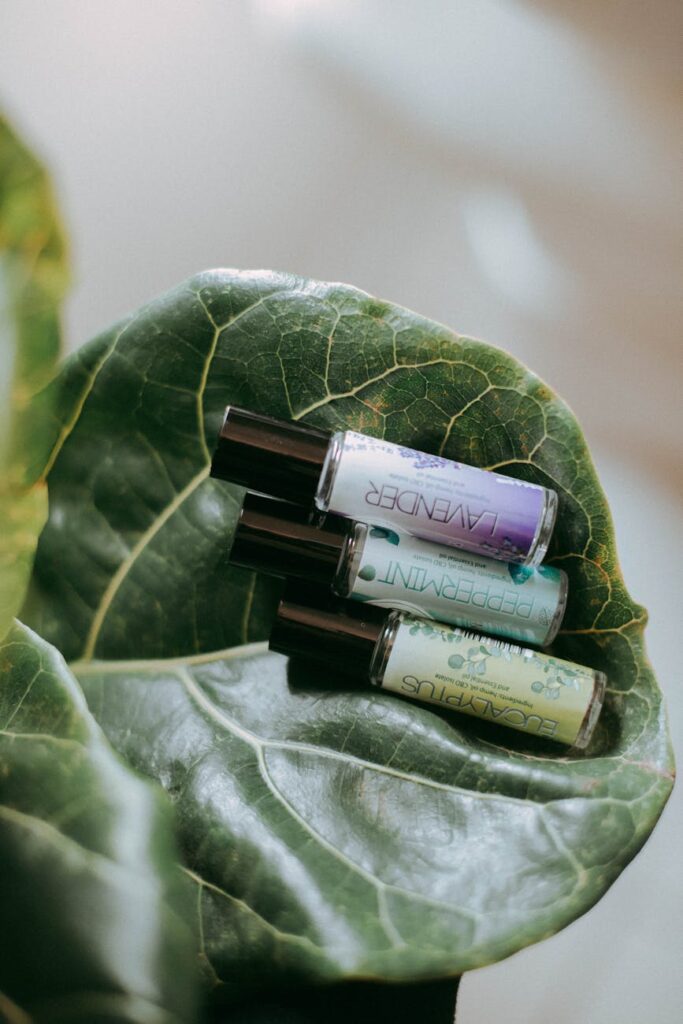
Aromatherapy Uses of Aromatherapy for Sleep Quality Enhancement Blends
Introduction
Sleep is a fundamental aspect of human well-being, influencing our physical health, emotional balance, and cognitive function. In recent years, there has been a growing interest in alternative therapies, with aromatherapy standing out as a popular holistic approach to enhancing sleep quality. By using essential oils derived from plants, aromatherapy offers a natural means of promoting relaxation and improving sleep. This article explores the various aspects of aromatherapy blends specifically designed for sleep enhancement, including their benefits, common applications, and safety considerations.
What Is Aromatherapy for Sleep Quality Enhancement Blends?
Aromatherapy is the practice of using essential oils—highly concentrated plant extracts—to promote physical and psychological well-being. Sleep quality enhancement blends refer to specific combinations of essential oils that are formulated to facilitate relaxation, reduce anxiety, and promote a restful night’s sleep. These blends can be tailored to individual preferences, utilizing oils known for their calming properties.
Common essential oils used in sleep enhancement blends include:
- Lavender: Renowned for its soothing aroma, lavender is often associated with relaxation and tranquility.
- Bergamot: This citrus oil is known to help alleviate stress and anxiety, contributing to a sense of calm.
- Cedarwood: Often used for its grounding effects, cedarwood can promote deeper, more restful sleep.
- Chamomile: With its sweet, apple-like scent, chamomile is traditionally used to help ease tension and encourage a peaceful state of mind.
- Sandalwood: Valued for its rich, woodsy aroma, sandalwood is believed to enhance relaxation and reduce anxiety.
- Bedtime Rituals: Incorporating essential oils into nightly routines can signal the body that it is time to wind down. Diffusing oils or applying them topically can enhance relaxation.
- Relaxation Techniques: Oils can be used in conjunction with relaxation methods such as meditation, deep breathing, or yoga to further promote calmness.
- Sleep Environments: Creating a soothing atmosphere in the bedroom can be achieved by using aromatherapy candles, room sprays, or diffusers filled with sleep-enhancing essential oils.
- Massage: Essential oils diluted in a carrier oil can be used for massage, targeting areas of tension and promoting relaxation.
Key Benefits and Properties
The use of aromatherapy for sleep quality enhancement is supported by various benefits associated with the properties of essential oils:
1. Relaxation: Many essential oils possess calming properties that can help reduce tension and anxiety, making it easier to wind down before bed.
2. Mood Enhancement: Aromatherapy can positively influence mood, helping to create a peaceful environment conducive to sleep.
3. Sleep Induction: Certain oils are known to promote sleepiness, potentially aiding individuals who struggle to fall asleep.
4. Improved Sleep Quality: Regular use of sleep-enhancing blends may contribute to deeper and more restorative sleep phases.
5. Stress Reduction: By mitigating stress levels, aromatherapy can play a critical role in improving overall sleep quality.
Common Uses
Aromatherapy blends for sleep enhancement can be utilized in various contexts, including:
Aromatherapy Applications
There are several ways to apply aromatherapy blends for sleep quality enhancement:
1. Diffusion
Using a diffuser is one of the most popular methods for dispersing essential oils into the air. Simply add a few drops of your chosen blend to a diffuser filled with water, and let it run for about 30 minutes before bedtime. The scent will fill the room, creating a calming environment.
2. Topical Application
For those who prefer direct application, essential oils can be mixed with a carrier oil, such as coconut or jojoba oil, and applied to pulse points (wrists, neck, or behind the ears). This method allows for the absorption of the oils through the skin.
3. Bathing
Adding essential oils to a warm bath can create a spa-like experience. Mix a few drops of essential oil with a carrier oil or Epsom salts to disperse the oils in the water to enhance relaxation.
4. Pillow Sprays
Creating a pillow spray using distilled water and essential oils can be an effective way to promote good sleep. Simply mix a few drops of essential oil with distilled water in a spray bottle and lightly mist your pillow before sleep.
5. Sleep Masks
Infusing a sleep mask with essential oils can provide a soothing scent throughout the night. This can be done by adding a few drops of essential oil to the mask or placing a cotton ball with the oil inside the mask.
Safety Considerations
While aromatherapy can offer numerous benefits, it is essential to practice safety when using essential oils:
1. Dilution
Essential oils are highly concentrated and should generally be diluted before topical application. A common guideline is to use a 2-3% dilution, which equates to about 10-15 drops of essential oil per ounce of carrier oil.
2. Allergies and Sensitivities
It is advisable to conduct a patch test before using a new essential oil to check for any allergic reactions or sensitivities. Apply a small amount of diluted oil to the skin and wait 24 hours to see if any irritation occurs.
3. Pregnancy and Medical Conditions
Consult healthcare professionals before using essential oils if you are pregnant, nursing, or have any medical conditions. Certain oils may not be suitable for everyone.
4. Quality of Essential Oils
Ensure you are using high-quality, pure essential oils from reputable sources. Synthetic or adulterated oils may not provide the desired benefits and could even cause harm.
Storage and Shelf Life
Proper storage of essential oils is crucial to maintain their efficacy. Keep oils in a cool, dark place, away from direct sunlight, and ensure they are tightly sealed. The shelf life of essential oils varies, but most can last from 1 to 3 years if stored correctly. Citrus oils tend to have a shorter shelf life, while oils like sandalwood and patchouli may improve with age.
Frequently Asked Questions
1. Can I mix different essential oils for sleep enhancement?
Yes, blending different oils can create unique aromas and synergistic effects. Experiment with various combinations to find what works best for you.
2. How long does the scent of essential oils last in the air?
The duration of the scent can vary depending on factors such as the type of essential oil used, the method of application, and the environment. Diffusing oils may provide a longer-lasting scent compared to topical application.
3. Is it safe to use essential oils around children and pets?
Some essential oils can be harmful to children and pets. It is essential to research which oils are safe to use and in what concentrations before using them in their presence.
4. Can aromatherapy completely solve sleep issues?
While aromatherapy can be an effective tool for enhancing sleep quality, it is not a substitute for professional medical advice or treatment. If sleep issues persist, it is advisable to consult a healthcare professional.
5. How often can I use aromatherapy for sleep?
Aromatherapy can be used nightly as part of your bedtime routine. However, it is essential to listen to your body and adjust usage based on personal preferences and sensitivities.
Conclusion
Aromatherapy offers a natural and holistic approach to enhancing sleep quality through the use of essential oils. By understanding the benefits, applications, and safety considerations associated with sleep enhancement blends, individuals can create a personalized experience that promotes relaxation and restful sleep. Whether used in diffusion, topical application, or as part of a bedtime ritual, the calming effects of essential oils can be a valuable addition to any sleep routine.