
Aromatherapy Uses of Aromatherapy for Sleep Quality Improvement Blends
Introduction
In today’s fast-paced world, many individuals struggle to achieve restorative sleep. As a result, there has been an increasing interest in alternative therapies, with aromatherapy gaining popularity for its potential benefits. Aromatherapy, the practice of using essential oils derived from plants to enhance physical and emotional well-being, is often utilized to promote relaxation and improve sleep quality. This article explores the various aspects of aromatherapy blends specifically designed to enhance sleep.
What Is Aromatherapy for Sleep Quality Improvement Blends?
Aromatherapy for sleep quality improvement involves the use of specific essential oils that are known for their calming and sedative properties. These oils can be blended in various formulations to create a soothing environment that promotes relaxation and sleep. Commonly used essential oils include lavender, chamomile, and bergamot, each contributing unique characteristics to the blend.
The process of creating sleep quality improvement blends typically involves combining essential oils with carrier oils or other diluents, allowing for safe application and versatility in use. The goal of these blends is to facilitate a serene atmosphere conducive to rest, helping to reduce anxiety and enhance overall sleep quality.
Key Benefits and Properties
Calming Effects
Many essential oils used in sleep blends have calming effects on the nervous system. For instance, lavender oil has been widely studied for its ability to reduce anxiety and promote relaxation. Chamomile is another oil celebrated for its soothing properties, often associated with feelings of tranquility.
Sedative Qualities
Certain essential oils possess mild sedative qualities that may help induce sleep. Oils such as valerian and cedarwood are traditionally used for their ability to promote a sense of drowsiness, making them excellent additions to sleep blends.
Mood Enhancement
Aromatherapy blends can also improve mood, which is essential for achieving quality sleep. Oils like bergamot and ylang-ylang have uplifting properties that may alleviate stress and enhance emotional well-being, setting the stage for restful slumber.
Stress Reduction
Stress is a common barrier to achieving quality sleep. Essential oils such as frankincense and marjoram can help reduce feelings of tension and anxiety, creating a more favorable environment for sleep.
Common Uses
Diffusion
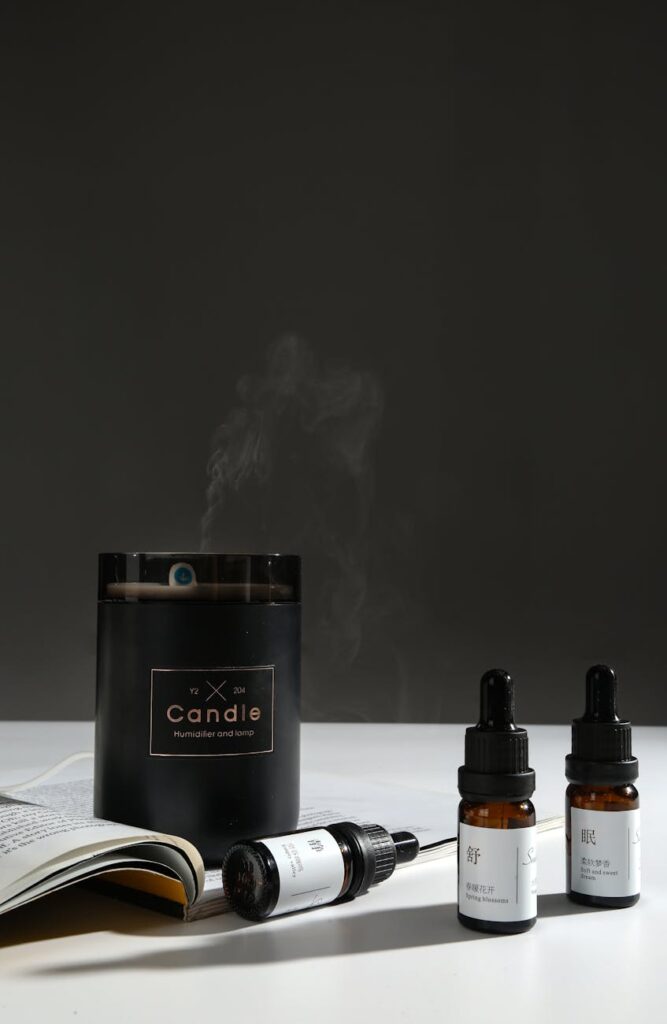
One of the most popular methods of using aromatherapy blends for sleep is through diffusion. By adding a few drops of the blend to a diffuser, the essential oils are dispersed into the air, allowing for inhalation during the night.
Topical Application
Diluting essential oils in a carrier oil and applying them topically can also enhance their effects. Popular application areas include pulse points, the back of the neck, and the soles of the feet. However, it is essential to ensure that the essential oils are properly diluted to avoid skin irritation.
Bath Soaks
Adding essential oils to a warm bath can provide a calming experience before bedtime. A bath soak with a sleep blend can help relax the body and mind, promoting a smooth transition into sleep.
Pillow Sprays
Creating a pillow spray with sleep-enhancing essential oils allows individuals to benefit from aromatherapy throughout the night. A simple mixture of essential oils and water in a spray bottle can be lightly misted over pillows and bedding.
Aromatherapy Applications
Essential Oil Blends
Here are some common essential oil blends that may be particularly beneficial for sleep quality:
- Lavender and Chamomile: Known for their calming effects, this blend can help soothe the mind and body.
- Bergamot and Cedarwood: Combining the uplifting and grounding properties of these oils can create a balanced atmosphere for sleep.
- Sandalwood and Ylang-Ylang: This blend focuses on emotional well-being, promoting relaxation and reducing feelings of anxiety.
Custom Blending
For those interested in a more personalized approach, creating custom blends allows for experimentation with different essential oils. Individuals can mix and match oils to find the combination that resonates best with them, keeping in mind the desired effects.
Safety Considerations
While aromatherapy is generally considered safe, it is essential to practice caution, especially when working with essential oils.
Skin Sensitivity
Some individuals may be sensitive to certain essential oils. It is advisable to conduct a patch test before applying any essential oil blend to the skin. This involves diluting the essential oil and applying a small amount to an inconspicuous area to check for adverse reactions.
Pregnancy and Breastfeeding
Pregnant or breastfeeding individuals should exercise caution when using essential oils. Some oils may not be suitable during these periods, and consulting with a knowledgeable professional may be beneficial.
Children and Pets
Certain essential oils can be toxic to pets and may not be suitable for use around children. It is crucial to research specific oils and consult with experts to ensure safety.
Storage and Shelf Life
Proper storage of essential oils and blends is vital to maintain their efficacy. Essential oils should be stored in dark glass bottles in a cool, dry place, away from direct sunlight. When stored correctly, most essential oils have a shelf life of 1 to 3 years, while blends may last 6 months to 1 year, depending on the ingredients used. Keeping a record of the date of purchase can help with tracking freshness.
Frequently Asked Questions
1. Can aromatherapy really help improve sleep quality?
While many individuals report positive effects from using aromatherapy for sleep, responses can vary. Aromatherapy may help create a relaxing atmosphere, which can contribute to improved sleep quality.
2. How do I use essential oils for sleep?
There are several methods to use essential oils for sleep, including diffusion, topical application, bath soaks, and pillow sprays. Experimenting with different methods can help determine what works best for you.
3. Are there any essential oils I should avoid?
Certain oils may not be suitable for everyone, particularly pregnant individuals or those with specific health concerns. Always research individual oils and consult with knowledgeable practitioners if necessary.
4. How can I create my own sleep blend?
To create a sleep blend, select essential oils known for their calming and sedative properties. Combine them in a carrier oil or water-based solution, adjusting the ratios to suit personal preferences. Always follow safety guidelines for dilution.
5. Can I mix different essential oils?
Yes, blending different essential oils can create unique combinations that enhance the desired effects. It is advisable to start with a small quantity and adjust based on personal preferences.
Conclusion
Aromatherapy offers a holistic approach to improving sleep quality through the use of specially formulated essential oil blends. By understanding the properties, benefits, and applications of these oils, individuals can create a calming environment that promotes relaxation and restful sleep. While results may vary, incorporating aromatherapy into a bedtime routine may provide a soothing solution for those seeking to enhance their sleep experience. Always prioritize safety and personal preferences when exploring the world of essential oils, and consider consulting with professionals for tailored guidance.