
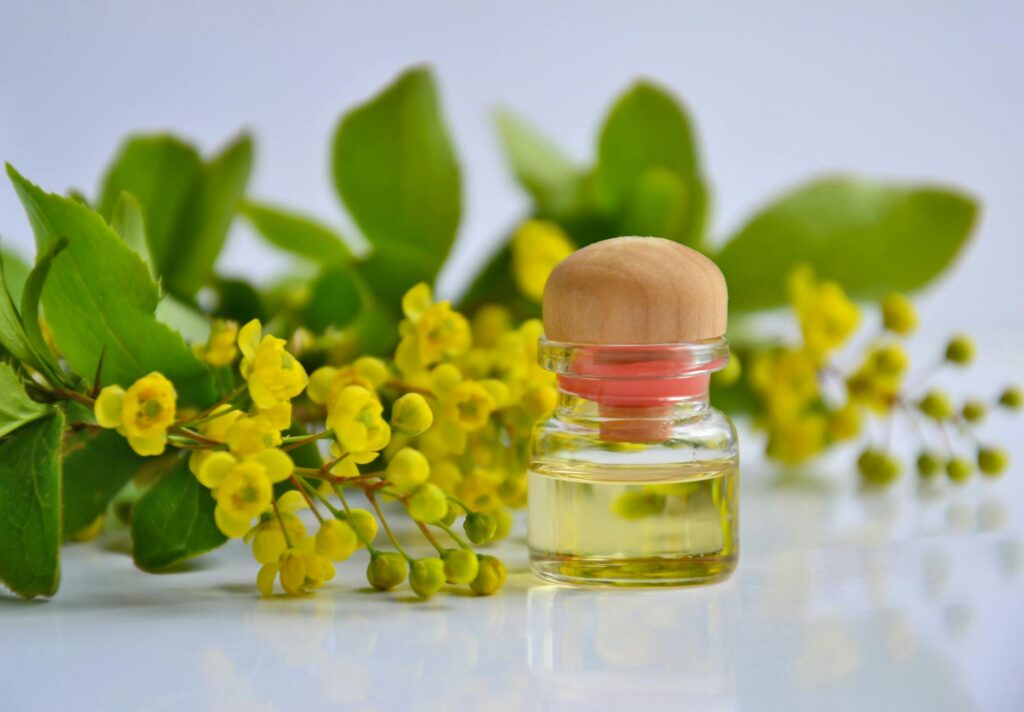
Aromatherapy Uses of Ashitaba Extract
Introduction
Aromatherapy has gained popularity as a holistic approach to enhance well-being through the use of essential oils and plant extracts. One such plant that has garnered attention in recent years is Ashitaba (Angelica keiskei), a green, leafy perennial herb native to Japan. Known for its rich nutritional profile and potential health benefits, Ashitaba extract is increasingly being integrated into aromatherapy practices. This article explores the properties, benefits, and applications of Ashitaba extract in aromatherapy, providing insights into its uses and considerations.
What Is Ashitaba Extract?
Ashitaba, often referred to as “tomorrow’s leaf,” is named for its remarkable ability to grow rapidly and regenerate. The plant thrives in the volcanic soil of Japan, particularly on the island of Hachijo. Traditionally used in Japanese cuisine and herbal medicine, the leaves of Ashitaba are rich in chlorophyll, vitamins, and antioxidants. The extract is derived from these leaves and is typically available in oil or tincture form.
The extraction process retains the plant’s potent constituents, making it a valuable addition to various wellness practices, including aromatherapy. The extract is known for its fresh, herbal scent that can evoke a sense of calm and clarity.
Key Benefits and Properties
Ashitaba extract contains a variety of bioactive compounds that contribute to its potential benefits:
- Chalcones: These are unique flavonoids found in Ashitaba that are believed to have antioxidant properties. They may help combat oxidative stress in the body.
- Vitamins and Minerals: Ashitaba is rich in vitamins A, C, E, and K, along with essential minerals like calcium and potassium, contributing to overall health.
- Antimicrobial Properties: Preliminary studies indicate that Ashitaba extract may possess antimicrobial effects, which could be beneficial in various applications.
- Anti-inflammatory Effects: Some constituents of Ashitaba may help to reduce inflammation, promoting a sense of well-being.
- Culinary Uses: Ashitaba leaves can be used fresh in salads or cooked in soups and stews. The extract can also be added to smoothies and health drinks for an added nutritional boost.
- Cosmetic Products: Due to its antioxidant properties, Ashitaba extract is increasingly found in skincare products aimed at promoting healthy skin and combating signs of aging.
- Supplements: Ashitaba is available in capsule or powder form as a dietary supplement, often marketed for its potential health benefits.
- Dilution: Essential oils and extracts should be diluted before topical application to avoid skin irritation. Typically, a dilution ratio of 1-2% is recommended for adults.
- Patch Test: Conducting a patch test before widespread use is advisable to ensure there are no allergic reactions or sensitivities.
- Consultation: Individuals who are pregnant, nursing, or have underlying health conditions should consult a healthcare professional before using Ashitaba extract or any new essential oil.
- Quality of Product: It is essential to choose high-quality Ashitaba extract from reputable sources to ensure purity and efficacy.
- Cool, Dark Place: Store the extract in a cool, dark place away from direct sunlight to prevent degradation of its active compounds.
- Sealed Containers: Keep the extract in tightly sealed containers to minimize exposure to air and moisture.
- Expiration Date: Most essential oils, including Ashitaba extract, have a shelf life of 1-3 years. Always check the expiration date and discard any product that appears cloudy or has an off odor.
These properties make Ashitaba extract not only a valuable ingredient in dietary practices but also a promising candidate for use in aromatherapy.
Common Uses
In addition to its applications in aromatherapy, Ashitaba extract is utilized in various ways:
Aromatherapy Applications
In aromatherapy, Ashitaba extract can be employed in various ways to enhance mood and promote relaxation. Below are some common applications:
Diffusion
One of the most popular methods for using Ashitaba extract in aromatherapy is through diffusion. By adding a few drops of Ashitaba oil to a diffuser, individuals can fill their space with its fresh, uplifting aroma. This can create a calming atmosphere, making it ideal for meditation or yoga practices.
Inhalation
Direct inhalation of Ashitaba extract can also be beneficial. Placing a drop or two on a tissue or cotton ball and inhaling deeply can provide a quick sense of clarity and focus. This method is particularly useful during moments of stress or fatigue.
Topical Application
When diluted properly, Ashitaba extract can be used in massage oils or skincare formulations. It may enhance relaxation during a massage or serve as a soothing addition to lotions. It is important to conduct a patch test before applying it to larger areas of skin to ensure there are no adverse reactions.
Bathing
Incorporating Ashitaba extract into a bath can enhance the experience of relaxation. Adding a few drops to bathwater can create a soothing environment that allows for stress relief and rejuvenation.
Blending with Other Essential Oils
Ashitaba extract can be combined with other essential oils to create personalized blends. It pairs well with citrus oils like lemon and bergamot, as well as grounding oils such as cedarwood and frankincense. These combinations can enhance the overall therapeutic benefits.
Safety Considerations
While Ashitaba extract is generally considered safe for use in aromatherapy, there are several precautions that should be observed:
Storage and Shelf Life
Proper storage of Ashitaba extract is crucial to maintain its potency and effectiveness. Here are some guidelines:
Frequently Asked Questions
Can Ashitaba extract be ingested?
While Ashitaba is commonly consumed in food and supplement forms, the extract should only be ingested if specifically labeled for such use. Always consult a healthcare professional before taking any new supplement.
Is Ashitaba extract safe for children?
Due to the lack of comprehensive studies on the safety of Ashitaba extract in children, it is advisable to consult a pediatrician before using it in any form for children.
How does Ashitaba extract compare to other herbal extracts?
Each herbal extract has unique properties and benefits. Ashitaba is particularly noted for its antioxidant content and rapid growth, distinguishing it from other herbs. Its aromatic profile is also unique, providing a fresh and uplifting scent.
Can Ashitaba extract help with stress?
While many users report feelings of relaxation and clarity when using Ashitaba extract in aromatherapy, individual experiences may vary. It is essential to approach aromatherapy as a complementary practice rather than a primary solution for stress management.
Conclusion
Ashitaba extract offers a range of benefits and applications in aromatherapy, making it a valuable addition to holistic wellness practices. With its rich nutritional profile and unique aromatic properties, it opens up new avenues for enhancing well-being. As with all botanical extracts, it is essential to use Ashitaba extract mindfully and with proper understanding, ensuring a safe and enjoyable experience in your aromatherapy journey.