
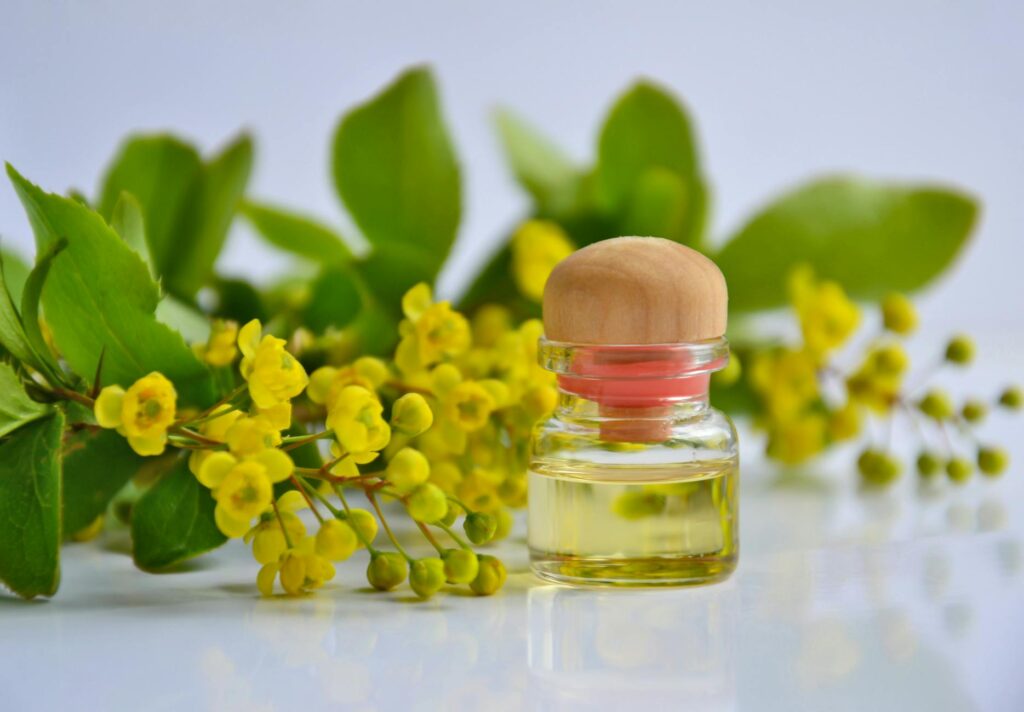
Aromatherapy Uses of Ashwagandha Extract
Introduction
Aromatherapy, a holistic healing practice that utilizes essential oils and aromatic plant compounds, has gained popularity for its potential to enhance well-being and promote relaxation. Among the myriad of botanical extracts available, ashwagandha (Withania somnifera) has emerged as a notable contender, particularly for its adaptogenic properties. This article delves into the aromatic and therapeutic uses of ashwagandha extract, exploring its benefits, applications, and safety considerations within the realm of aromatherapy.
What Is Ashwagandha Extract?
Ashwagandha, often referred to as “Indian ginseng” or “winter cherry,” is a revered herb in Ayurvedic medicine. The extract is primarily derived from the roots and berries of the plant, which is native to India, the Middle East, and parts of Africa. The term “ashwagandha” translates to “smell of the horse,” a reference to both its distinct aroma and its traditional use for promoting strength and vitality.
The extract is rich in bioactive compounds, including withanolides, alkaloids, and other phytonutrients, contributing to its wide array of health benefits. In aromatherapy, the essential oil and extract are utilized for their calming and grounding properties, which can enhance emotional and physical well-being.
Key Benefits and Properties
Ashwagandha extract is celebrated for its diverse benefits, which include:
1. Adaptogenic Properties: Ashwagandha is classified as an adaptogen, meaning it helps the body adapt to stress and maintain balance. This quality is especially beneficial in today’s fast-paced world, where stress is prevalent.
2. Calming Effects: The extract is known for its ability to promote relaxation and reduce anxiety. It may help lower cortisol levels, which is often referred to as the “stress hormone.”
3. Mood Enhancement: Some studies suggest that ashwagandha may have mood-stabilizing effects, potentially alleviating symptoms of depression and promoting a sense of well-being.
4. Cognitive Support: The herb is believed to support cognitive function and enhance memory, making it a valuable addition to an aromatherapy regimen focused on mental clarity.
5. Anti-inflammatory Properties: Ashwagandha possesses anti-inflammatory qualities, which can be beneficial in soothing muscle tension and promoting overall relaxation.
6. Immune System Support: The extract is thought to bolster the immune system, helping the body resist illness and maintain overall health.
Common Uses
Ashwagandha extract is versatile and can be incorporated into various aspects of daily life. Some common uses include:
- Supplementation: Many individuals take ashwagandha in capsule or powder form to reap its health benefits.
- Herbal Teas: The powdered form can be added to herbal teas for a soothing beverage.
- Topical Applications: The extract can also be mixed into creams or lotions to support skin health and promote relaxation when applied.
- Inhalation: The aroma of ashwagandha can be inhaled directly or through diffusion, enhancing the overall sensory experience.
- Cool, Dark Place: Store the extract in a cool, dark place, away from direct sunlight and heat sources. This will help preserve its aromatic properties and prevent degradation.
- Sealed Containers: Keep the extract in tightly sealed containers to prevent oxidation and contamination.
- Shelf Life: The shelf life of ashwagandha extract can vary, but generally, it lasts for 1-2 years when stored properly. Always check for any signs of spoilage, such as changes in color, smell, or consistency.
Aromatherapy Applications
In the context of aromatherapy, ashwagandha extract can be utilized in various ways:
1. Diffusion
Diffusing ashwagandha essential oil in a room can create an inviting and calming atmosphere. This practice may help reduce stress and anxiety levels while promoting a sense of tranquility. To diffuse, simply add a few drops of the essential oil to a diffuser filled with water and enjoy the aromatic benefits.
2. Massage
Incorporating ashwagandha extract into massage oils can enhance the therapeutic effects of the massage. The calming properties of the extract can help relax tense muscles and promote emotional well-being. Mix a few drops of ashwagandha oil with a carrier oil, such as sweet almond or jojoba oil, for a soothing massage experience.
3. Bath Soaks
Adding ashwagandha extract to bath water can create a relaxing spa-like experience. Combine the extract with Epsom salts or carrier oils to enhance the bath’s calming effects. The warm water, combined with the aromatic properties, can help reduce stress and promote relaxation.
4. Inhalation
Inhalation is another effective way to experience the benefits of ashwagandha. A few drops of the extract can be placed on a tissue or cotton ball and inhaled deeply. This method can be particularly useful during moments of stress or anxiety.
5. Meditation and Mindfulness Practices
Incorporating ashwagandha extract into meditation or mindfulness practices can enhance focus and promote a calming environment. A few drops can be applied to the pulse points or diffused in the space where one practices meditation.
Safety Considerations
While ashwagandha extract is generally considered safe for most individuals when used appropriately, a few safety considerations should be noted:
1. Consultation with a Professional: It is advisable to consult with a healthcare professional before incorporating ashwagandha extract into your routine, especially if you are pregnant, nursing, or have underlying health conditions.
2. Allergic Reactions: Some individuals may experience allergic reactions to ashwagandha. It is recommended to perform a patch test before using the extract topically.
3. Dosage: When using ashwagandha in any form, it is essential to adhere to recommended dosages to avoid potential side effects, which may include gastrointestinal upset or drowsiness.
4. Interactions: Ashwagandha may interact with certain medications, particularly those that affect the central nervous system. Always consult a healthcare professional if you are taking medication.
Storage and Shelf Life
Proper storage of ashwagandha extract is crucial for maintaining its potency and effectiveness:
Frequently Asked Questions
1. Can anyone use ashwagandha extract?
While ashwagandha is generally safe for most individuals, those who are pregnant, nursing, or have specific health conditions should consult with a healthcare professional before use.
2. How can I incorporate ashwagandha into my daily routine?
Ashwagandha can be taken as a supplement, added to teas, or used in aromatherapy applications like diffusion or massage.
3. Are there any side effects associated with ashwagandha?
Some individuals may experience mild side effects, such as gastrointestinal upset or drowsiness. It is essential to adhere to recommended dosages.
4. How does ashwagandha compare to other adaptogens in aromatherapy?
While many adaptogens have unique benefits, ashwagandha is particularly noted for its calming and stress-reducing properties. Each adaptogen has its profile, and individuals may find different benefits depending on their needs.
5. Can I mix ashwagandha extract with other essential oils?
Yes, ashwagandha can be blended with other essential oils to create synergistic effects. Popular choices include lavender, chamomile, and frankincense, which can enhance relaxation and stress relief.
Conclusion
Ashwagandha extract presents a wealth of potential benefits within the field of aromatherapy. Its calming, adaptogenic properties make it a valuable addition to various practices aimed at enhancing emotional well-being and promoting relaxation. As with all botanical extracts, it is vital to approach its use with informed consideration and respect for individual needs. By understanding the applications, benefits, and safety considerations of ashwagandha, individuals can harness its aromatic power to support their holistic health journey.