
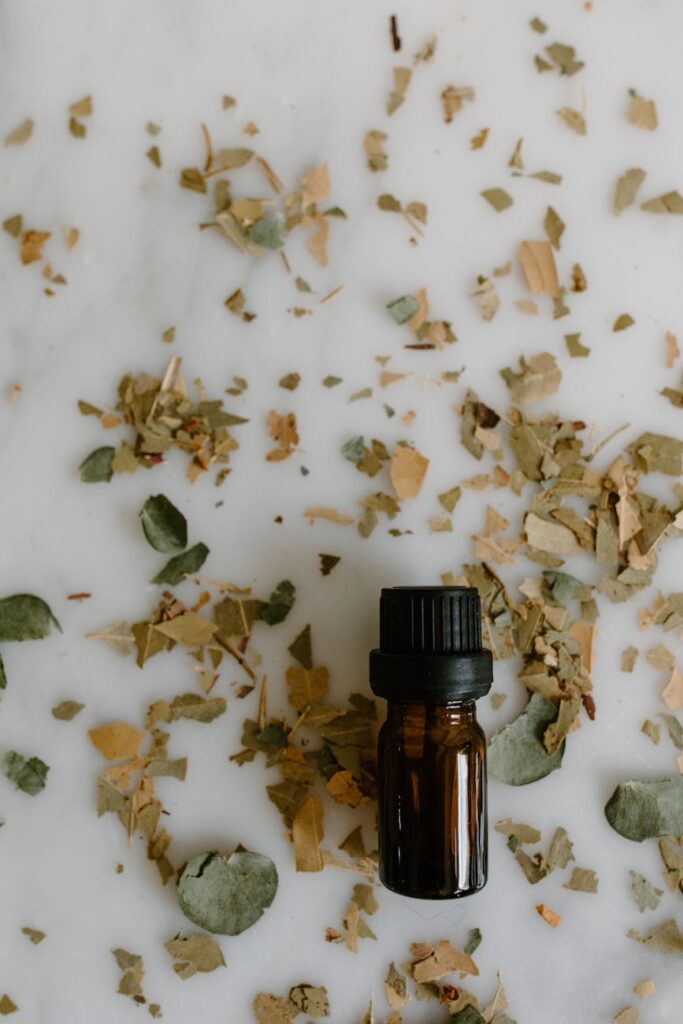
Aromatherapy Uses of Ashwagandha Root Extract
Introduction
Aromatherapy, a holistic healing practice that utilizes the natural fragrance of essential oils, has gained widespread popularity in recent years. Among the many plant-based extracts used in this therapeutic practice, ashwagandha root extract stands out for its diverse benefits. This article delves into the characteristics, benefits, and applications of ashwagandha root extract in the context of aromatherapy.
What Is Ashwagandha Root Extract?
Ashwagandha, scientifically known as Withania somnifera, is a small shrub native to India, the Middle East, and parts of Africa. It has been a cornerstone of Ayurvedic medicine for centuries, where it is often referred to as “Indian ginseng” or “winter cherry.” The primary component of interest in aromatherapy is the root extract, which is rich in bioactive compounds, including alkaloids, steroidal lactones (withanolides), and saponins. These constituents contribute to its adaptogenic properties, making it a popular choice for promoting balance and wellness.
Key Benefits and Properties
Ashwagandha root extract is celebrated for its numerous health benefits, which can be attributed to its unique chemical profile. Here are some of its key properties:
Adaptogenic Qualities
As an adaptogen, ashwagandha helps the body adapt to stressors, whether physical, emotional, or environmental. This property makes it particularly appealing in aromatherapy, where stress management is a primary focus.
Neuroprotective Effects
Research has indicated that ashwagandha may possess neuroprotective qualities, potentially supporting cognitive function and mental clarity. Its ability to influence neurotransmitter levels can promote a sense of calm and focus.
Anti-Inflammatory and Antioxidant Properties
The root extract contains compounds that exhibit anti-inflammatory and antioxidant effects, potentially aiding in the reduction of oxidative stress and inflammation in the body.
Mood Enhancement
A growing body of evidence suggests that ashwagandha can have a positive influence on mood, contributing to feelings of well-being and emotional stability.
Common Uses
Ashwagandha root extract is used in a variety of forms, including capsules, powders, and tinctures. Its applications extend beyond aromatherapy into areas such as:
- Stress Relief: Often employed in dietary supplements aimed at reducing stress and anxiety.
- Cognitive Support: Used in formulations designed to support memory and cognitive function.
- Energy and Endurance: Incorporated into pre-workout supplements for its potential to enhance physical performance.
- Sleep Aid: Utilized in herbal teas and supplements to promote restful sleep.
- Consultation with Professionals: Always consult a qualified healthcare provider before incorporating new supplements or extracts into your routine, particularly for individuals with pre-existing health conditions or those who are pregnant or nursing.
- Allergies and Sensitivities: Individuals with known allergies to plants in the Solanaceae family, to which ashwagandha belongs, should avoid its use.
- Dosage and Concentration: Proper dilution is essential when using ashwagandha root extract in aromatherapy applications. Overuse or undiluted application can lead to skin irritation or adverse reactions.
- Keep in a Cool, Dark Place: Store the extract in a cool, dark environment to minimize exposure to heat and light, which can degrade the quality of the extract.
- Seal Properly: Ensure that the container is tightly sealed to prevent oxidation and contamination.
- Check Expiry Dates: Always pay attention to expiration dates and use the extract within the recommended timeframe for optimal benefits.
Aromatherapy Applications
In the realm of aromatherapy, ashwagandha root extract can be used in several ways to harness its therapeutic benefits:
1. Diffusion
One of the most common methods of using ashwagandha in aromatherapy is through diffusion. When added to a diffuser, the extract can fill a room with its earthy and slightly sweet aroma, promoting a calming atmosphere. This can be particularly beneficial in environments where stress reduction is desired, such as workplaces or during meditation sessions.
2. Massage
Ashwagandha root extract can be diluted with carrier oils, such as coconut or jojoba oil, for use in massage. The combination of physical touch and the soothing scent can enhance relaxation and help alleviate tension in the body.
3. Bathing
Adding a few drops of ashwagandha essential oil or diluted extract to a warm bath can create a serene experience. The warm water can help open pores, allowing the skin to absorb the beneficial properties while the aroma envelops the senses.
4. Inhalation
For immediate stress relief, inhaling the scent of ashwagandha extract directly from the bottle or from a cotton ball can be effective. This method allows for rapid absorption of its calming effects through the olfactory system.
5. Incorporation in Personal Care Products
Aromatherapists may also incorporate ashwagandha root extract into homemade skincare products, such as lotions and creams, to take advantage of its antioxidant properties. Its potential to soothe and nourish the skin makes it an attractive ingredient in natural beauty formulations.
Safety Considerations
While ashwagandha root extract is generally considered safe for most individuals, certain precautions should be observed:
Storage and Shelf Life
To ensure the longevity and efficacy of ashwagandha root extract, proper storage is crucial:
Frequently Asked Questions
1. Can ashwagandha root extract be used in conjunction with other essential oils?
Yes, ashwagandha can be blended with other essential oils that promote relaxation, such as lavender or chamomile, to enhance its calming effects.
2. Is ashwagandha root extract safe for children?
While ashwagandha is generally considered safe for adults, its use in children should be approached with caution. Consultation with a healthcare provider is recommended before use.
3. How long does it take to experience the benefits of ashwagandha?
The time it takes to experience benefits may vary depending on individual factors, such as metabolism and the method of application. Regular use over several weeks is often recommended for optimal effects.
4. Can ashwagandha root extract cause side effects?
Though generally well-tolerated, some individuals may experience mild side effects, such as digestive upset or headaches. It is advisable to start with a lower dosage to assess tolerance.
5. Where can I purchase high-quality ashwagandha root extract?
High-quality ashwagandha root extract can typically be found at health food stores, specialty herbal shops, or online retailers. Always look for reputable brands that provide transparency in sourcing and testing.
Conclusion
Ashwagandha root extract offers a unique profile of benefits that make it a valuable addition to the field of aromatherapy. From its adaptogenic properties to its calming aroma, ashwagandha can be utilized in various ways to enhance emotional well-being and promote relaxation. As with any natural remedy, understanding its uses, benefits, and safety considerations can empower individuals to make informed choices in their wellness journey.