
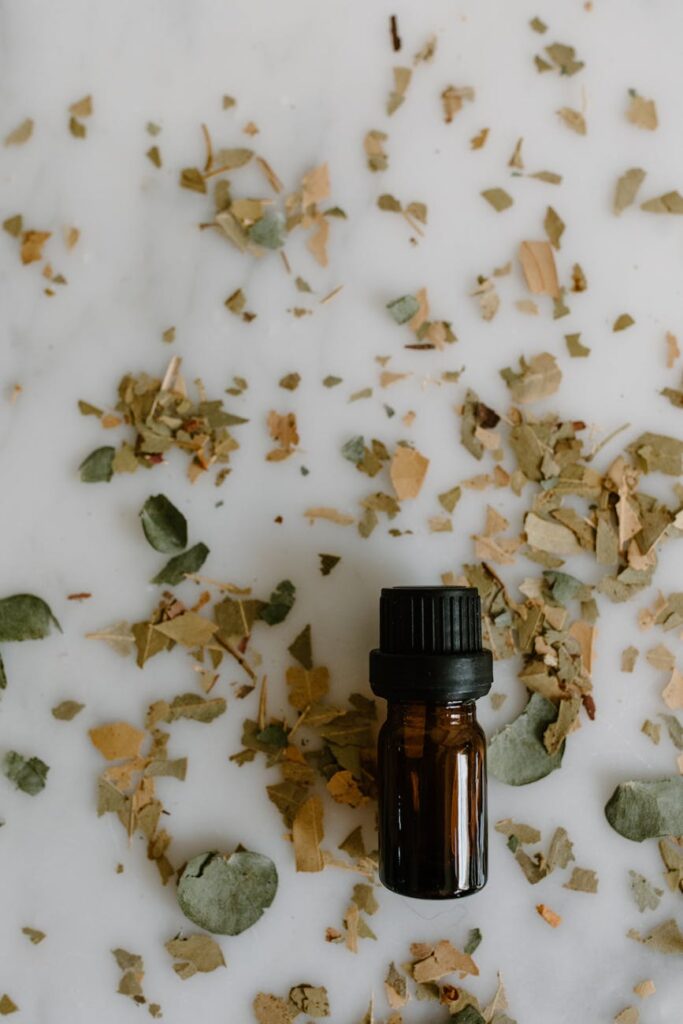
Aromatherapy Uses of Basil Oil
Introduction
Aromatherapy is an ancient practice that harnesses the aromatic properties of essential oils to promote physical, emotional, and mental well-being. Among the various essential oils used in this holistic healing method, basil oil stands out for its diverse applications and unique characteristics. Extracted from the leaves of the basil plant, this oil boasts a rich history, particularly in traditional medicine and culinary arts. This article delves into the various uses of basil oil in aromatherapy, exploring its benefits, applications, and safety considerations.
What Is Basil Oil?
Basil oil, scientifically known as Ocimum basilicum, is derived from the leaves of the basil plant, an herb native to tropical regions of central Africa and Southeast Asia. The oil is obtained through steam distillation, capturing the plant’s aromatic compounds. There are various types of basil, including sweet basil and holy basil, each with distinct aromas and properties. Sweet basil is typically the type most commonly used in aromatherapy.
The aroma of basil oil is fresh, herbaceous, and slightly spicy, making it a popular choice in both therapeutic and culinary contexts. The unique fragrance is attributed to its high content of essential compounds such as linalool, eugenol, and methyl chavicol, which contribute to its numerous benefits.
Key Benefits and Properties
Basil oil is renowned for its multifaceted properties that enhance its efficacy in aromatherapy. Some of the key benefits include:
1. Antimicrobial Properties: Basil oil exhibits antimicrobial effects, which can help purify the air and surfaces when diffused, potentially reducing the presence of harmful bacteria and pathogens.
2. Stress Relief: The calming and uplifting scent of basil oil is believed to help alleviate stress and anxiety. Its aroma can promote mental clarity and focus, making it an excellent choice for those seeking emotional balance.
3. Digestive Aid: Basil oil is often used to support digestive health. Its aromatic compounds may help soothe digestive discomfort and improve overall digestive function.
4. Respiratory Support: The refreshing scent of basil oil can help open up airways and may provide relief from respiratory issues, making it beneficial during seasonal changes.
5. Mood Enhancer: The invigorating aroma is thought to uplift the mood and combat feelings of fatigue, making it suitable for use during periods of low energy.
Common Uses
Basil oil can be utilized in various ways, including:
- Diffusion: Adding a few drops of basil oil to a diffuser can enhance the atmosphere of any room, promoting relaxation and mental clarity.
- Topical Application: When diluted with a carrier oil, basil oil can be applied to specific areas of the body to provide localized benefits.
- Inhalation: Inhaling the oil directly from the bottle or adding it to a bowl of hot water can provide immediate aromatic effects.
- Bath: Adding basil oil to a warm bath can create a soothing experience, promoting relaxation and stress relief.
- Dilution: Always dilute basil oil with a carrier oil before applying it to the skin to prevent irritation or allergic reactions. A common dilution ratio is 2-3% essential oil to carrier oil.
- Patch Test: Conduct a patch test before widespread use, especially for individuals with sensitive skin. Apply a small amount of the diluted oil to an inconspicuous area and wait 24 hours to check for any adverse reactions.
- Pregnancy and Nursing: Pregnant and nursing women should consult with a healthcare professional before using basil oil, as some essential oils can have contraindications during these periods.
- Allergic Reactions: Individuals with allergies to plants in the Lamiaceae family (such as mint, oregano, and thyme) should exercise caution, as they may also be allergic to basil oil.
- Medical Conditions: Those with specific medical conditions or those taking medications should consult a healthcare provider before using basil oil, particularly for therapeutic purposes.
- Cool, Dark Place: Store basil oil in a cool, dark place away from direct sunlight and heat. Exposure to light and heat can degrade the oil and diminish its properties.
- Tight Seal: Ensure that the bottle is tightly sealed to prevent evaporation and contamination.
- Shelf Life: When stored properly, basil oil typically has a shelf life of 1 to 3 years. However, always check for any signs of spoilage, such as changes in aroma or consistency, before use.
Aromatherapy Applications
In aromatherapy, basil oil serves multiple purposes due to its versatile nature:
Stress Relief and Mental Clarity
Basil oil is often used in practices aimed at reducing stress and enhancing mental clarity. When diffused or inhaled, its aroma can create a calming environment, allowing individuals to relax and focus. This makes it particularly useful in workspaces or study areas, where concentration is essential.
Energy Booster
For those experiencing fatigue or mental fog, basil oil can act as a natural stimulant. Its invigorating scent can help rejuvenate the mind and body, making it an excellent choice for morning rituals or mid-afternoon slumps.
Respiratory Health
Inhaling basil oil may assist with respiratory discomfort. Its fresh, herbaceous aroma can help clear the airways and promote easier breathing, making it particularly beneficial during cold or allergy seasons.
Digestive Support
While not a substitute for medical treatment, basil oil’s aromatic properties can be utilized in digestive health practices. Adding a few drops to a carrier oil and massaging it onto the abdomen can provide soothing effects.
Meditation and Spiritual Practices
Basil oil can enhance spiritual practices such as meditation and yoga. Its calming properties can help create a peaceful environment, allowing individuals to connect with themselves on a deeper level.
Safety Considerations
While basil oil is generally considered safe for most individuals when used appropriately, there are some important safety considerations to keep in mind:
Storage and Shelf Life
Proper storage of basil oil is essential to maintain its quality and efficacy. Here are some tips for optimal storage:
Frequently Asked Questions
1. Can basil oil be ingested?
Basil oil is primarily used for aromatic and topical applications. Ingestion of essential oils is not generally recommended without the guidance of a qualified healthcare practitioner.
2. Is basil oil safe for children?
Basil oil can be used around children, but it should be properly diluted and used with caution. Always consult with a healthcare provider for specific recommendations regarding children.
3. Can basil oil help with headaches?
While some individuals may find relief from headaches through the use of basil oil due to its calming properties, it is not a substitute for medical treatment. Always consult a healthcare professional for persistent headaches.
4. What are the best methods for using basil oil in aromatherapy?
Basil oil can be used through diffusion, topical application, inhalation, and in baths. The method of use often depends on the desired outcome, such as stress relief or respiratory support.
5. What other essential oils blend well with basil oil?
Basil oil blends well with other essential oils like lavender, lemon, eucalyptus, and peppermint, offering a range of aromatic and therapeutic benefits.
Conclusion
Basil oil is a remarkable essential oil with a wide array of applications in aromatherapy. Its rich aroma and diverse properties make it a valuable addition to any aromatherapy toolkit. Whether used for stress relief, mental clarity, or respiratory support, basil oil can enhance well-being in a variety of ways. As with all essential oils, it is essential to use basil oil responsibly and with an understanding of its properties and safety considerations. By integrating basil oil into your daily routine, you may unlock the potential for enhanced relaxation and emotional balance, enriching your overall quality of life.