
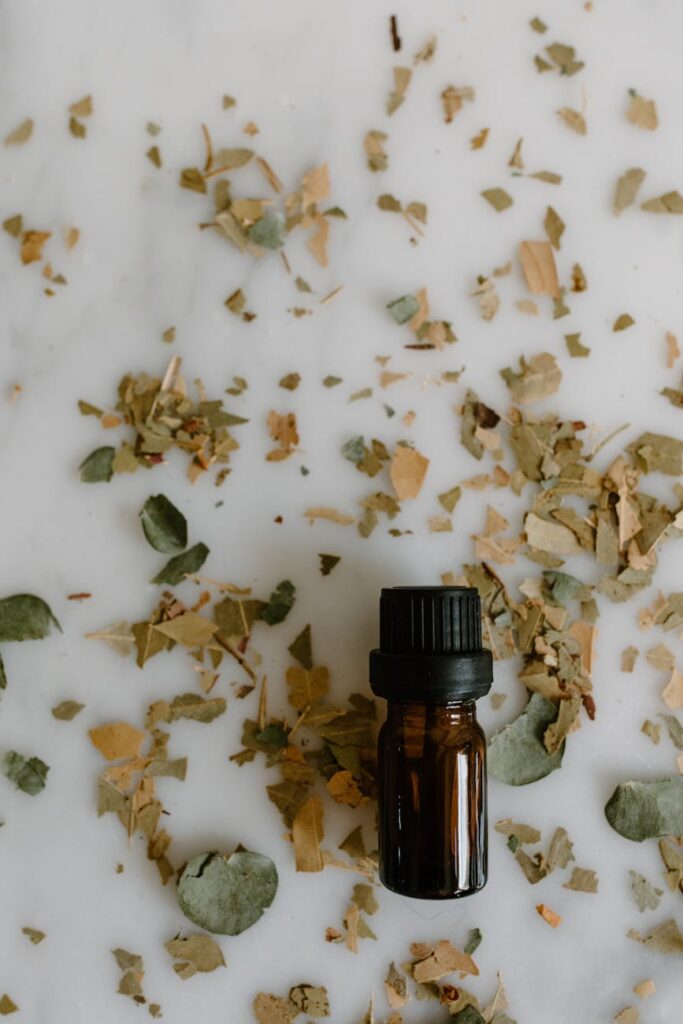
Aromatherapy Uses of Bergamot Oil Safety
Introduction
Bergamot oil, derived from the rind of the bergamot orange (Citrus bergamia), has garnered significant attention in the world of aromatherapy due to its unique fragrance and a myriad of potential benefits. This essential oil is not only valued for its uplifting aroma but also for its role in promoting emotional and physical well-being. However, as with all essential oils, understanding the safety considerations surrounding bergamot oil use is crucial for effective and responsible application.
What Is Bergamot Oil Safety?
Bergamot oil safety refers to the precautions and guidelines necessary for the safe use of this essential oil. As a powerful aromatic compound, bergamot oil can be beneficial when used correctly, but improper usage can lead to adverse effects. Awareness of its properties, potential risks, and proper handling is essential for anyone interested in incorporating bergamot oil into their wellness routine.
Key Benefits and Properties
Bergamot oil is known for its diverse range of properties, making it a popular choice in aromatherapy practices. Some of its key benefits include:
1. Mood Enhancement: The uplifting scent of bergamot oil has been associated with reducing feelings of stress, anxiety, and depression, promoting an overall sense of well-being.
2. Antimicrobial Properties: Studies suggest that bergamot oil possesses antimicrobial qualities, which may help in inhibiting the growth of certain bacteria and fungi.
3. Digestive Support: Traditionally, bergamot has been used to aid digestion and alleviate discomfort related to gastrointestinal issues.
4. Skin Care: With its potential antiseptic properties, bergamot oil is often included in skincare formulations aimed at treating oily skin and acne.
5. Anti-inflammatory Effects: Preliminary research indicates that bergamot oil may have anti-inflammatory properties, potentially benefiting conditions such as muscle pain or irritation.
Common Uses
Bergamot oil can be utilized in various ways within the realm of aromatherapy and holistic practices:
- Diffusion: Adding a few drops of bergamot oil to a diffuser can help create a calming atmosphere, making it ideal for meditation or relaxation.
- Topical Application: When diluted with a carrier oil, bergamot oil can be applied to the skin to promote a sense of calm, although caution is advised due to its photosensitive nature.
- Bath Additive: Incorporating bergamot oil into bath products can enhance the bathing experience, providing both aromatic and potential skin benefits.
- Inhalation: Inhaling bergamot oil directly from the bottle or through steam inhalation can provide immediate relief from stress and anxiety.
- Stress Relief: Diffusing bergamot oil in a stressful environment can help create a serene space, fostering relaxation and emotional balance.
- Sleep Aid: The calming properties of bergamot oil can promote better sleep when used in a nighttime diffuser blend.
- Mood Booster: Inhaling bergamot oil can stimulate the release of dopamine and serotonin, contributing to a positive mood.
- Massage Therapy: When blended with carrier oils, bergamot oil can be used in massage to enhance relaxation and relieve muscle tension.
- Storage Conditions: Store bergamot oil in a cool, dark place, away from direct sunlight and heat sources. A cupboard or drawer is often ideal.
- Container: Keep bergamot oil in its original dark glass bottle, as this helps protect it from light degradation.
- Shelf Life: When stored correctly, bergamot oil typically has a shelf life of 1-2 years. Check for any changes in color, scent, or viscosity, as these may indicate that the oil has expired.
Aromatherapy Applications
Bergamot oil’s versatility makes it suitable for various applications in aromatherapy:
Safety Considerations
While bergamot oil offers numerous benefits, safety considerations are paramount:
1. Photosensitivity: One of the most critical safety concerns with bergamot oil is its photosensitive nature. It contains compounds called furanocoumarins, which can increase the skin’s sensitivity to sunlight, leading to potential burns or rashes when exposed to UV light. It is advisable to avoid sun exposure after applying bergamot oil topically.
2. Dilution: Bergamot oil should always be diluted before topical application. A common dilution ratio is 2-3 drops of essential oil per teaspoon of carrier oil.
3. Patch Testing: Before using bergamot oil on larger areas of the skin, it is wise to perform a patch test. Apply a small diluted amount to a discreet area and monitor for any adverse reactions.
4. Pregnancy and Nursing: Pregnant and nursing individuals should consult a healthcare professional before using bergamot oil, as its safety during these periods has not been thoroughly established.
5. Allergic Reactions: While rare, some individuals may experience allergic reactions to bergamot oil. Symptoms may include skin irritation, redness, or respiratory issues. If any of these occur, discontinue use immediately.
6. Quality of Oil: The purity and quality of bergamot oil can vary between brands. It is essential to source high-quality, therapeutic-grade essential oils from reputable suppliers to ensure safety and efficacy.
Storage and Shelf Life
Proper storage is essential to maintain the quality and effectiveness of bergamot oil. Follow these guidelines:
Frequently Asked Questions
Is bergamot oil safe for children?
While bergamot oil can be used with children, it is essential to dilute it properly and consult a healthcare professional for specific recommendations.
Can bergamot oil be ingested?
Ingesting essential oils is generally not recommended unless under the guidance of a qualified healthcare practitioner. Bergamot oil should primarily be used for aromatherapy and topical applications.
What are the best carrier oils for bergamot oil?
Common carrier oils that blend well with bergamot oil include sweet almond oil, jojoba oil, and coconut oil. Always ensure proper dilution before applying to the skin.
How can I incorporate bergamot oil into my daily routine?
You can add bergamot oil to your daily routine by diffusing it in your living space, incorporating it into your skincare regimen, or using it during relaxation practices like yoga or meditation.
Does bergamot oil interact with medications?
Bergamot oil may interact with certain medications, particularly those that increase photosensitivity or affect liver enzymes. Always consult with a healthcare provider if you are on medication.
Conclusion
Bergamot oil is a cherished essential oil within the world of aromatherapy, celebrated for its uplifting aroma and various potential benefits. However, understanding its safety considerations is crucial for effective use. By following the recommended guidelines for dilution, storage, and application, individuals can safely enjoy the aromatic and therapeutic properties of bergamot oil. As with any essential oil, a mindful approach to usage ensures a positive and enriching experience in the journey toward holistic well-being.