
Aromatherapy Uses of Bergamot Oil
Introduction
Bergamot oil, derived from the peel of the bergamot orange (Citrus bergamia), has gained recognition in both the culinary and wellness worlds. Known for its distinctive aroma and diverse range of applications, bergamot oil is a staple in aromatherapy. This article explores the uses, benefits, and safety considerations of bergamot oil, providing a comprehensive guide for those interested in its aromatic properties.
What Is Bergamot Oil?
Bergamot oil is an essential oil extracted from the fruit of the bergamot orange, native to the Mediterranean region, particularly Italy. The oil is primarily obtained through cold pressing the fruit’s rind, which preserves its aromatic compounds. The bergamot orange is a hybrid between the lime and the bitter orange, and its oil is characterized by a fresh, citrusy scent with floral undertones.
The oil has been used for centuries in various cultural practices, including traditional medicine and perfumery. Its unique fragrance not only makes it a popular choice in essential oil blends but also contributes to its wide range of therapeutic applications.
Key Benefits and Properties
Bergamot oil possesses several beneficial properties, which can enhance its use in aromatherapy. Some of the key benefits include:
1. Antidepressant Properties: The uplifting aroma of bergamot oil is often associated with mood enhancement. Many users report feelings of relaxation and happiness when inhaling its scent.
2. Anxiolytic Effects: Bergamot oil is known for its calming properties, potentially reducing anxiety levels. Its soothing fragrance may help in managing stress and promoting emotional balance.
3. Antibacterial and Antifungal: Preliminary studies suggest that bergamot oil may have antibacterial and antifungal properties, making it useful in various applications beyond aromatherapy.
4. Digestive Aid: Traditionally, bergamot has been used to aid digestion, though this property is more commonly referenced in culinary uses than in aromatherapy.
5. Anti-inflammatory: Some evidence suggests that bergamot oil may help reduce inflammation, contributing to its potential uses in massage oils and topical applications.
Common Uses
Bergamot oil has a multitude of uses spanning different domains:
- Perfumery: Its sweet, refreshing scent makes it a popular ingredient in perfumes and colognes.
- Culinary: Bergamot oil is famously used in Earl Grey tea, lending its distinctive flavor.
- Cosmetics: Many skincare products incorporate bergamot oil for its fragrance and potential skin benefits.
- Household: The oil can be used in cleaning products and diffusers to create a fresh, uplifting atmosphere.
- Skin Sensitivity: Bergamot oil can cause skin irritation in some individuals, especially when used undiluted. Always dilute the oil with a carrier oil before applying it to the skin.
- Photosensitivity: Bergamot oil contains bergapten, which can make the skin more sensitive to sunlight. Avoid applying it to exposed skin before sun exposure to prevent potential sunburn or irritation.
- Pregnancy and Nursing: Pregnant or nursing individuals should consult a healthcare professional before using bergamot oil.
- Interactions: If you are on medication or have health concerns, consult a healthcare provider before incorporating bergamot oil into your routine.
- Container: Store bergamot oil in a dark glass bottle to protect it from light, which can degrade the oil.
- Temperature: Keep the oil in a cool, dry place away from direct sunlight and heat sources.
- Shelf Life: When stored correctly, bergamot oil typically has a shelf life of 1 to 3 years. Always check for changes in scent or consistency before use.
Aromatherapy Applications
In aromatherapy, bergamot oil can be utilized in various ways to promote well-being. Here are some common applications:
1. Diffusion
Diffusing bergamot oil in a room can create a serene environment, helping to alleviate stress and enhance mood. To diffuse, add a few drops of bergamot oil to a diffuser filled with water and let the aroma fill the space. It can be blended with other essential oils such as lavender or cedarwood for a more complex fragrance.
2. Inhalation
For immediate relief from anxiety or stress, inhaling bergamot oil directly can be effective. Place a few drops on a tissue or cotton ball and breathe in deeply. This method can quickly uplift the mood and promote relaxation.
3. Topical Application
Bergamot oil can be diluted with a carrier oil (such as jojoba or coconut oil) for topical applications. This method is often used in massage therapy to promote relaxation and soothe muscle tension. It’s essential to perform a patch test first to check for skin sensitivity.
4. Bathing
Adding a few drops of bergamot oil to a warm bath can create a calming experience. The steam from the bath will enhance the oil’s aromatic properties, promoting relaxation and comfort.
5. Personal Care Products
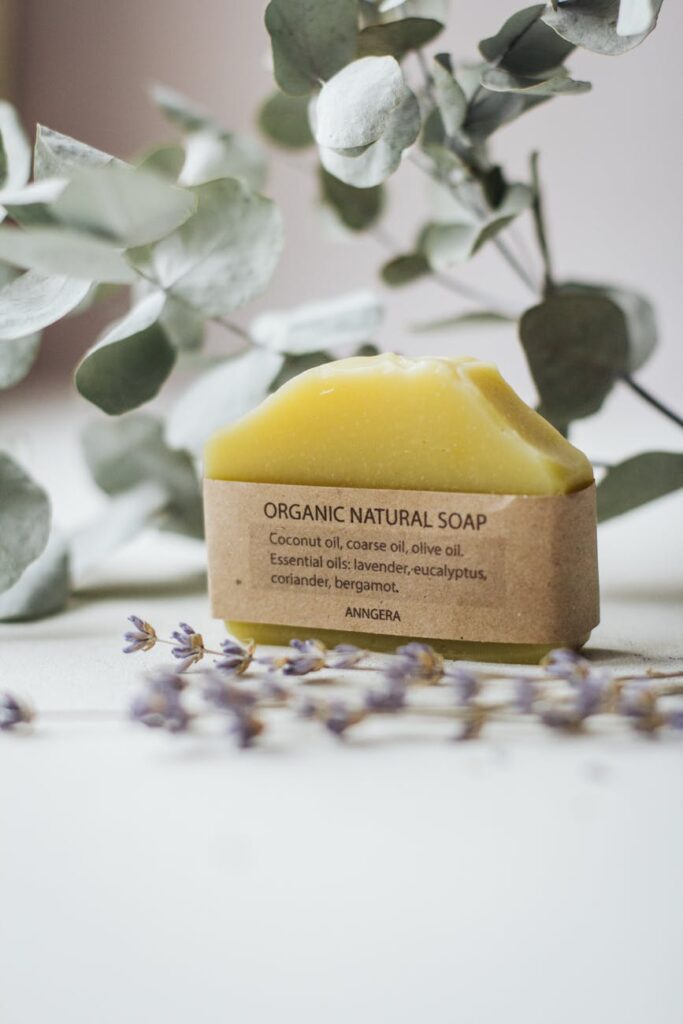
Homemade body scrubs, lotions, and shampoos can benefit from the addition of bergamot oil. Its pleasing scent and potential skin benefits make it a desirable ingredient in personal care formulations.
Safety Considerations
While bergamot oil is generally safe for use in aromatherapy, certain precautions should be taken:
Storage and Shelf Life
To maintain the quality and efficacy of bergamot oil, proper storage is essential. Here are some tips for storage:
Frequently Asked Questions
1. Can I use bergamot oil in cooking?
Bergamot oil is used in flavoring, especially in Earl Grey tea. However, it’s essential to ensure that the oil is food-grade and suitable for consumption if you plan to use it in cooking.
2. Is bergamot oil safe for children?
While bergamot oil can be used in aromatherapy for children, it’s advisable to consult a healthcare professional for appropriate dilution and usage guidelines.
3. Can I use bergamot oil in a diffuser with other oils?
Yes, bergamot oil blends well with other essential oils, such as lavender, frankincense, or sandalwood. Experimenting with combinations can create unique aromatic experiences.
4. What should I do if I experience skin irritation?
If you experience skin irritation after using bergamot oil, discontinue use immediately and wash the area with soap and water. If irritation persists, consult a healthcare professional.
5. Where can I purchase high-quality bergamot oil?
High-quality bergamot oil can be found at health food stores, specialty essential oil shops, and online retailers. When purchasing, look for oils labeled as pure and therapeutic-grade to ensure quality.
Conclusion
Bergamot oil is a versatile and aromatic essential oil that offers numerous benefits and applications in the realm of aromatherapy. Its ability to uplift the mood, promote relaxation, and enhance overall well-being makes it a valuable addition to any aromatherapy toolkit. By understanding its properties and following safety guidelines, individuals can harness the power of bergamot oil to enrich their daily lives.