
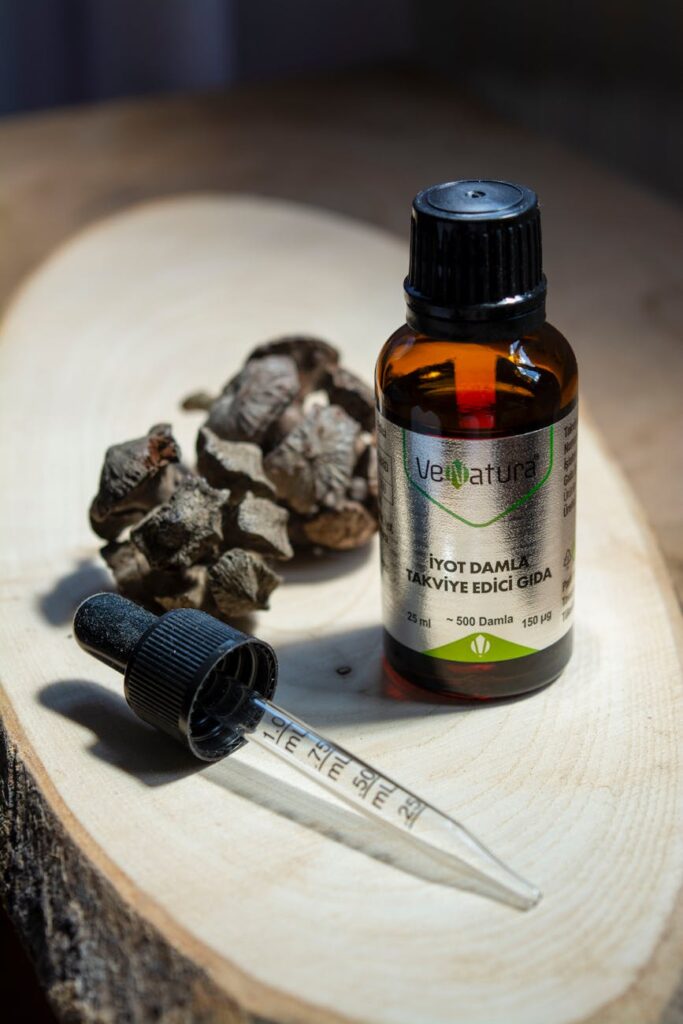
Aromatherapy Uses of Bitter Melon Extract
Introduction
Aromatherapy, the practice of using essential oils and plant extracts to enhance well-being, has gained significant attention in recent years. Among the myriad of botanicals utilized in this holistic approach, bitter melon extract stands out for its unique properties. This article will delve into the essence of bitter melon extract, exploring its benefits, applications in aromatherapy, and important safety considerations.
What Is Bitter Melon Extract?
Bitter melon, scientifically known as Momordica charantia, is a tropical and subtropical vine belonging to the gourd family. It is characterized by its distinctively bitter taste and is commonly found in various cuisines, particularly in Asian and African cultures. The extract is derived from the fruit, leaves, and seeds of the plant and is known for its rich composition of bioactive compounds, including alkaloids, flavonoids, and vitamins.
The extract is often used in traditional medicine systems, and its popularity has extended into modern health practices, including aromatherapy. While the fruit is typically consumed or used in cooking, the extract can be distilled into essential oils that capture its aromatic and therapeutic properties.
Key Benefits and Properties
Bitter melon extract is celebrated for several key benefits:
- Antioxidant Properties: The extract is rich in antioxidants, which help combat oxidative stress and support overall cellular health.
- Anti-Inflammatory Effects: Some compounds in bitter melon may help reduce inflammation, making it a popular choice for comforting blends.
- Antimicrobial Activity: Research suggests that bitter melon has potential antimicrobial properties, which can be beneficial in various applications.
- Digestive Support: Traditionally, bitter melon has been used to aid digestion and promote gastrointestinal health.
- Blood Sugar Regulation: Though not a substitute for medical treatment, some studies indicate that components of bitter melon may support healthy blood sugar levels.
- Culinary Uses: It is commonly used in stir-fries, soups, and juices, adding a unique flavor profile and nutritional benefits.
- Nutritional Supplements: Available in capsules, powders, and tinctures, bitter melon extract is often marketed for its health benefits.
- Cosmetic Applications: Bitter melon is increasingly found in skincare products due to its potential antioxidant and anti-inflammatory properties.
- Skin Sensitivity: Before applying bitter melon essential oil topically, it is advisable to perform a patch test to check for any allergic reactions or skin sensitivities.
- Dilution: Essential oils should be diluted with a carrier oil before topical application to reduce the risk of irritation.
- Pregnancy and Nursing: Pregnant or nursing individuals should consult a healthcare professional before using bitter melon extract or essential oil.
- Interactions with Medications: Bitter melon is known to affect blood sugar levels; therefore, individuals taking medications for diabetes or other health conditions should exercise caution.
- Quality of Products: Ensure that the bitter melon extract or essential oil is sourced from a reputable supplier. Contaminated or adulterated products can pose health risks.
- Cool, Dark Place: Store the extract in a cool, dark area away from direct sunlight and heat.
- Tightly Sealed Containers: Ensure that the container is tightly sealed to prevent oxidation and loss of potency.
- Check Expiry Dates: Like many natural products, bitter melon extract has a limited shelf life. Always check the expiry date and discard any expired oils.
These properties make bitter melon extract an intriguing option for use in aromatherapy, particularly for those interested in natural wellness solutions.
Common Uses
Bitter melon extract is utilized in various forms and applications, including:
In aromatherapy, bitter melon extract is primarily valued for its essential oil, which carries the plant’s distinctive aroma and therapeutic properties.
Aromatherapy Applications
In aromatherapy, bitter melon extract can be used in several ways:
1. Diffusion
One of the most common methods of using essential oils is through diffusion. Bitter melon essential oil can be added to a diffuser to disperse its aroma throughout a space. This can create a refreshing atmosphere and may contribute to a sense of well-being.
2. Massage Oils
Bitter melon extract can be blended with carrier oils such as jojoba or sweet almond oil to create a soothing massage oil. The anti-inflammatory properties of the extract may enhance the benefits of massage therapy, helping to relieve tension and promote relaxation.
3. Bath Additive
Adding bitter melon essential oil to bathwater can create a relaxing and rejuvenating experience. The warm water combined with the oil may help soothe the skin while offering the aromatic benefits of the extract.
4. Inhalation
Aromatherapy inhalers can be filled with a blend containing bitter melon extract. This method allows for quick access to the oil’s aromatic properties, useful for on-the-go stress relief.
5. Skin Care
When diluted properly, bitter melon extract can be incorporated into skincare formulations. Its potential antioxidant and antimicrobial properties may benefit the skin, making it an appealing addition to facial oils or creams.
Safety Considerations
While bitter melon extract offers numerous benefits, there are important safety considerations to keep in mind:
Storage and Shelf Life
To preserve the integrity and efficacy of bitter melon extract and essential oil, proper storage is crucial:
Typically, essential oils have a shelf life of 1 to 3 years, depending on their composition and storage conditions.
Frequently Asked Questions
1. How is bitter melon extract made?
Bitter melon extract is made by either cold pressing the fruit or through steam distillation of the leaves and seeds. The resulting oil retains the characteristic aroma and beneficial properties of the plant.
2. Can bitter melon extract be ingested?
Bitter melon extract can be consumed in various forms, including capsules and juices. However, it is not recommended to ingest essential oils unless they are specifically labeled for internal use and are of high quality.
3. Is bitter melon extract safe for children?
While bitter melon extract can offer benefits, its use in children should be approached with caution. Always consult a healthcare professional before introducing any new supplement or essential oil to a child’s regimen.
4. Where can I buy bitter melon extract or essential oil?
Bitter melon extract and essential oils can be found at health food stores, herbal shops, or online retailers. Always choose products from reputable sources to ensure quality and safety.
5. Can I mix bitter melon essential oil with other oils?
Yes, bitter melon essential oil can be blended with various carrier oils or other essential oils to create customized aromatherapy blends. Popular combinations include citrus oils for a refreshing scent or calming oils like lavender for relaxation.
Conclusion
Bitter melon extract offers a wealth of benefits and applications in the realm of aromatherapy. Its unique properties can enhance well-being and create a refreshing atmosphere, making it a valuable addition to any aromatherapy practice. However, it is essential to approach its use mindfully, considering safety precautions and storage guidelines. Whether you’re seeking to elevate your self-care routine or explore the world of natural wellness, bitter melon extract may prove to be a fascinating and beneficial choice.