
Aromatherapy Uses of Black Cumin Seed Oil
Introduction
Aromatherapy, a holistic healing practice that utilizes essential oils extracted from plants, has gained significant recognition for its potential benefits in enhancing physical and emotional well-being. Among the plethora of essential oils available, black cumin seed oil (Nigella sativa) stands out due to its rich historical use and diverse range of therapeutic properties. This article explores the characteristics, benefits, applications, and safety considerations associated with black cumin seed oil in the context of aromatherapy.
What Is Black Cumin Seed Oil?
Black cumin seed oil is derived from the seeds of the Nigella sativa plant, a flowering plant native to South and Southwest Asia. The oil is extracted through cold pressing, which helps preserve its essential compounds. Historically, black cumin has been utilized for centuries in various cultures, from traditional medicine to culinary applications. The oil features a warm, slightly peppery aroma with earthy undertones, making it a unique addition to the world of aromatherapy.
Key Benefits and Properties
Black cumin seed oil is celebrated for its rich composition of bioactive compounds, including:
- Thymoquinone: This compound is known for its antioxidant and anti-inflammatory properties.
- Vitamins: The oil contains several vitamins, including A, B, and C, which contribute to its nourishing effects.
- Essential Fatty Acids: Rich in omega-3 and omega-6 fatty acids, black cumin seed oil can support skin health and promote overall well-being.
- Skin Sensitivity: As with any essential oil, it is wise to conduct a patch test before applying black cumin seed oil to the skin. Diluting the oil with a carrier oil can minimize the risk of irritation.
- Pregnancy and Nursing: Pregnant or nursing individuals should consult with a healthcare professional before using any essential oils, including black cumin seed oil.
- Allergies: Those with known allergies to plants in the Ranunculaceae family should exercise caution when using black cumin seed oil.
- Interactions with Medications: If you are taking medications, it is advisable to consult with a healthcare provider to ensure that there are no potential interactions with black cumin seed oil.
Antioxidant and Anti-Inflammatory Properties
These properties may help combat oxidative stress in the body, potentially minimizing the effects of free radicals. This makes black cumin seed oil an appealing choice for those looking to incorporate antioxidant-rich oils into their routines.
Immune System Support
Some studies suggest that black cumin seed oil may support immune function due to its antimicrobial and anti-inflammatory characteristics, potentially offering a natural way to enhance overall health.
Common Uses
1. Skin Care: Due to its nourishing and hydrating properties, black cumin seed oil is often used in skin care formulations. It is believed to help with conditions such as eczema, acne, and dry skin.
2. Hair Health: The oil is sometimes incorporated into hair care products for promoting healthy hair growth and improving scalp conditions.
3. Digestive Health: Traditionally, black cumin seed oil has been used to support digestive health, though this use is more common in culinary applications.
4. Culinary Uses: Apart from its therapeutic properties, black cumin seeds are also used as a spice, enhancing the flavor profile of various dishes.
Aromatherapy Applications
In the realm of aromatherapy, black cumin seed oil can be utilized in several ways:
Diffusion
When diffused, black cumin seed oil can create a warm and inviting atmosphere. Its earthy aroma can be calming, making it suitable for use in meditation or relaxation practices. To diffuse, add a few drops of the oil to a diffuser filled with water, allowing the scent to permeate the space.
Massage
Incorporating black cumin seed oil into massage blends can enhance the experience. Its soothing properties can aid in relaxation and may help alleviate muscle tension. It is advisable to dilute black cumin seed oil with a carrier oil, such as sweet almond or jojoba oil, before applying it to the skin.
Bath Soaks
Adding black cumin seed oil to a warm bath can create a luxurious and relaxing experience. The oil can be blended with Epsom salts or carrier oils before adding it to the bathwater, allowing for a soothing soak that may promote relaxation and skin nourishment.
Inhalation
For a quick aromatherapy boost, inhaling black cumin seed oil directly from the bottle or adding a few drops to a handkerchief can provide an instant calming effect. This method is particularly useful for those seeking to manage stress or anxiety.
Blending with Other Oils
Black cumin seed oil blends well with a variety of other essential oils, such as lavender, bergamot, and frankincense. This versatility allows users to create customized blends tailored to their specific needs and preferences.
Safety Considerations
While black cumin seed oil is generally regarded as safe for use, several factors should be considered:
Storage and Shelf Life
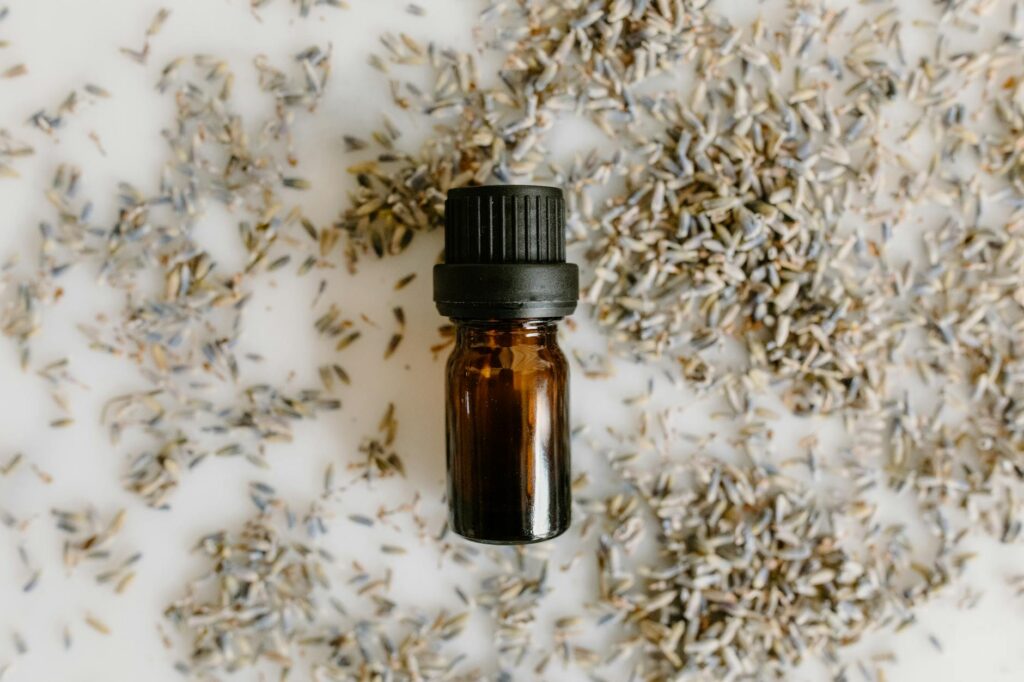
To maintain the quality and effectiveness of black cumin seed oil, proper storage is essential. It should be stored in a cool, dark place, away from direct sunlight, to prevent degradation. The oil is best kept in a dark glass bottle to further protect it from light exposure. When stored correctly, black cumin seed oil can have a shelf life of approximately 1 to 2 years.
Frequently Asked Questions
Can black cumin seed oil be ingested?
While some people use black cumin seed oil in cooking, it is essential to ensure that the oil is labeled as food-grade. For therapeutic uses, consult with a healthcare professional before ingestion.
Is black cumin seed oil suitable for all skin types?
Black cumin seed oil is generally suitable for most skin types, but those with sensitive skin should perform a patch test before use. It is always advisable to consult with a dermatologist if unsure.
Can black cumin seed oil help with anxiety?
While some users report that the calming aroma of black cumin seed oil contributes to relaxation, individual experiences may vary. Aromatherapy should be viewed as a complementary practice rather than a standalone treatment.
How can I incorporate black cumin seed oil into my daily routine?
You can incorporate black cumin seed oil into your daily routine through diffusion, massage blends, bath soaks, or by adding it to skin care products. Experimenting with different applications can help you find the best use for your needs.
Where can I purchase high-quality black cumin seed oil?
High-quality black cumin seed oil can be found in health food stores, specialty shops, or online retailers. Look for products that are cold-pressed, organic, and stored in dark glass bottles to ensure quality.
Conclusion
Black cumin seed oil offers a rich tapestry of benefits and applications within the field of aromatherapy. From its historical roots to modern uses, this versatile oil can enhance physical and emotional wellbeing when used thoughtfully. As with any essential oil, understanding its properties, benefits, and safety considerations will empower users to incorporate it effectively into their aromatherapy practices. Whether for relaxation, skin care, or a calming atmosphere, black cumin seed oil remains a valuable addition to the world of essential oils.