
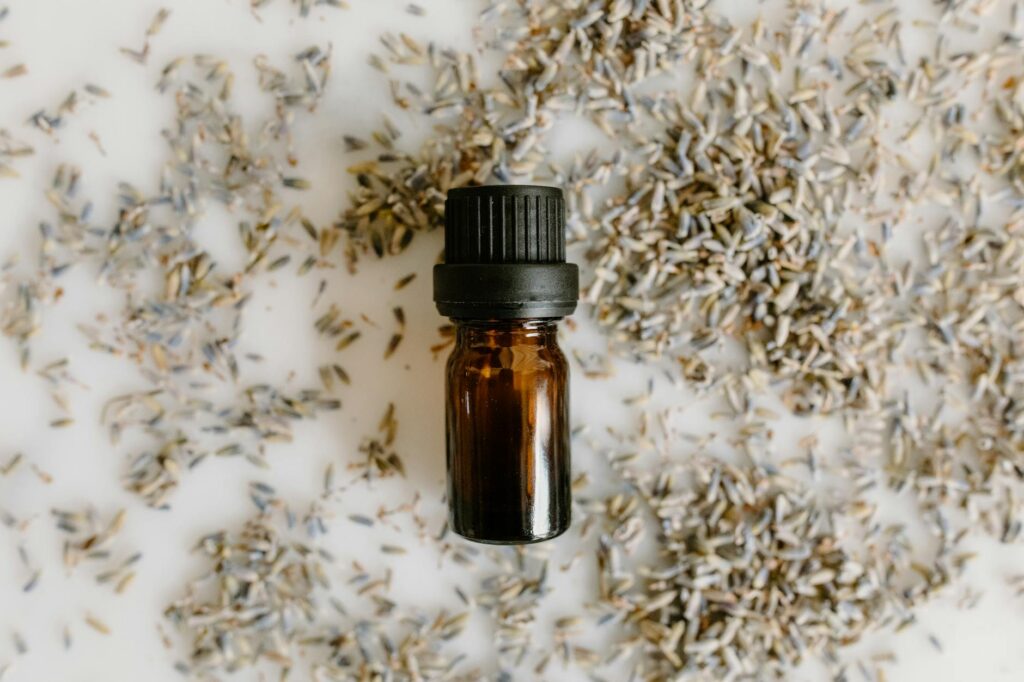
Aromatherapy Uses of Black Seed Oil
Introduction
Aromatherapy has gained popularity over the years as a holistic approach to wellness, employing essential oils to promote physical, emotional, and mental well-being. Among the myriad of oils available, black seed oil, derived from the seeds of the Nigella sativa plant, has garnered attention for its rich history and numerous benefits. This article explores the properties, benefits, and applications of black seed oil in the realm of aromatherapy.
What Is Black Seed Oil?
Black seed oil is extracted from the seeds of the Nigella sativa plant, a flowering plant native to Southwest Asia. Known by various names including black cumin, kalonji, and fennel flower, the seeds have been utilized for thousands of years in traditional medicine, culinary practices, and cosmetic formulations.
The oil is cold-pressed from the seeds to preserve its beneficial compounds, resulting in a rich, dark oil with a distinctive flavor and aroma. Its composition includes a variety of active compounds such as thymoquinone, carvacrol, and beta-sitosterol, which contribute to its therapeutic properties.
Key Benefits and Properties
Black seed oil is celebrated for its diverse range of benefits, which can be classified into several key properties:
1. Antioxidant: The oil is rich in antioxidants that help to neutralize free radicals in the body, protecting cells from oxidative stress.
2. Anti-inflammatory: Many studies suggest that black seed oil possesses anti-inflammatory properties, which may aid in reducing inflammation when applied topically or inhaled.
3. Antimicrobial: The oil has demonstrated antimicrobial effects against various bacteria and fungi, suggesting its potential role in promoting skin health.
4. Immune Support: Some research indicates that black seed oil may help modulate the immune system, enhancing the body’s natural defenses.
5. Skin and Hair Health: Due to its nourishing properties, black seed oil is often used in cosmetic formulations to promote healthy skin and hair.
Common Uses
Black seed oil has a variety of applications, ranging from culinary uses to traditional remedies. Some common uses include:
- Culinary Ingredient: The oil can be used in cooking and salad dressings for its nutty flavor and health benefits.
- Dietary Supplement: Many people consume black seed oil in capsule form or as a liquid supplement for its perceived health benefits.
- Skincare: The oil is often incorporated into creams, lotions, and serums for its moisturizing and soothing properties.
- Hair Care: It is used in shampoos and conditioners to promote healthy hair growth and enhance shine.
- Patch Test: Always perform a patch test before applying black seed oil topically to check for any allergic reactions or sensitivities.
- Dilution: When using black seed oil in aromatherapy, it is crucial to dilute it with a carrier oil to prevent skin irritation.
- Consultation: If you are pregnant, nursing, or have existing health conditions, it is advisable to consult with a healthcare professional before incorporating black seed oil into your routine.
- Storage: Keep black seed oil in a cool, dark place, away from direct sunlight and heat sources. A refrigerator can be an ideal storage option.
- Shelf Life: Typically, black seed oil has a shelf life of around 1 to 2 years when stored properly. Always check for any changes in color, consistency, or odor before use.
Aromatherapy Applications
In aromatherapy, black seed oil can be employed in various ways to harness its therapeutic properties. Here are some notable applications:
1. Diffusion
Diffusing black seed oil into the air can create a calming atmosphere. The oil’s warm, earthy scent may help alleviate stress and promote relaxation. When blended with other essential oils like lavender or frankincense, it can enhance the overall aromatic experience.
2. Topical Application
When diluted with a carrier oil such as jojoba or coconut oil, black seed oil can be applied to the skin. This method is particularly effective for targeted areas, such as dry patches or areas of inflammation. The oil’s anti-inflammatory properties may help soothe irritation and promote skin health.
3. Inhalation
Inhaling the aroma of black seed oil directly from the bottle or through a personal inhaler can be beneficial for mental clarity and focus. Its unique scent may stimulate the senses and aid in concentration.
4. Massage
Incorporating black seed oil into massage blends can enhance the therapeutic benefits of the treatment. The oil’s properties may help relieve muscle tension and promote relaxation during a massage session.
5. Bathing
Adding a few drops of black seed oil to a warm bath can create a soothing and aromatic experience. The oil’s nourishing properties can benefit the skin while providing a calming ambiance.
Safety Considerations
While black seed oil is generally considered safe for most individuals, it is essential to take certain precautions:
Storage and Shelf Life
To preserve the quality of black seed oil, it is essential to store it correctly:
Frequently Asked Questions
1. Can black seed oil be ingested?
Yes, black seed oil can be ingested, and many people use it as a dietary supplement. However, it is important to follow recommended dosages and consult with a healthcare professional if uncertain.
2. Is black seed oil safe for use on sensitive skin?
While many individuals find black seed oil beneficial for sensitive skin, it is advisable to perform a patch test to ensure no adverse reactions occur. Dilution with a carrier oil is recommended.
3. What are some essential oil blends that pair well with black seed oil?
Black seed oil pairs well with a variety of essential oils, including lavender, frankincense, and tea tree oil. These combinations can enhance both the aromatic experience and therapeutic benefits.
4. Can black seed oil be used in cooking?
Yes, black seed oil can be used in culinary applications. It adds a unique flavor to dishes and can be drizzled over salads or incorporated into dressings.
5. How can I incorporate black seed oil into my daily routine?
Incorporating black seed oil can be as simple as adding it to your skincare regimen, using it in aromatherapy practices, or including it in your diet as a supplement or culinary ingredient.
Conclusion
Black seed oil, with its rich history and versatile applications, holds a prominent place in the world of aromatherapy. Its unique properties and benefits make it a valuable addition to holistic wellness practices. By understanding its uses and safety considerations, individuals can effectively incorporate black seed oil into their daily routines, enhancing their overall well-being. Whether used in diffusion, topical applications, or culinary delights, black seed oil offers a range of possibilities for those seeking a natural approach to health and wellness.