
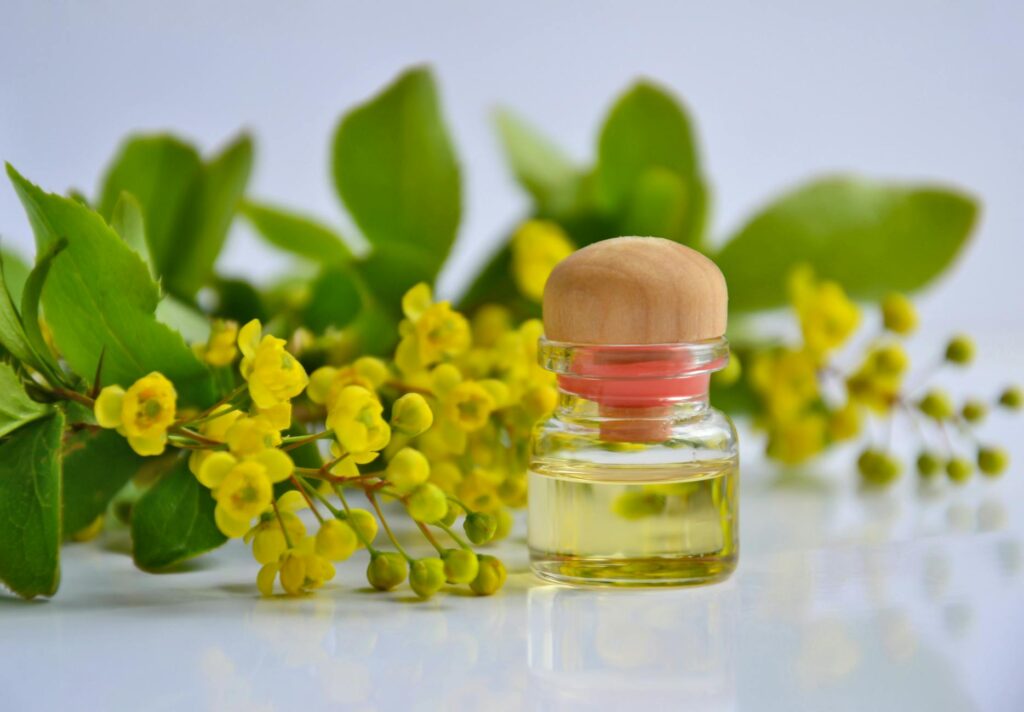
Aromatherapy Uses of Botanical Ingredients – Argan Oil
Introduction
Aromatherapy, the practice of using essential oils and other aromatic plant compounds for therapeutic purposes, has gained significant popularity worldwide. Among the many botanical ingredients used in this holistic approach, argan oil stands out for its rich composition and diverse applications. This article delves into the properties, benefits, and uses of argan oil, providing a comprehensive understanding of its role in aromatherapy.
What Is Botanical Ingredients – Argan Oil?
Argan oil is derived from the nuts of the argan tree (Argania spinosa), native to Morocco. The oil is extracted through a labor-intensive process, involving the cracking of the nuts and cold-pressing the kernels inside. Known for its light texture and nutty aroma, argan oil is rich in essential fatty acids, antioxidants, and vitamins, particularly vitamin E. These properties make it a valuable component in both cosmetic and therapeutic applications.
Key Benefits and Properties
Argan oil is renowned for its multifaceted benefits:
Nutrient-Rich Composition
1. Fatty Acids: Argan oil is composed mainly of oleic (omega-9) and linoleic acids (omega-6), which contribute to its moisturizing and anti-inflammatory properties.
2. Vitamin E: This powerful antioxidant helps protect the skin from oxidative stress and supports overall skin health.
3. Polyphenols: These compounds have been shown to possess anti-inflammatory and antioxidant effects.
Skin and Hair Benefits
Argan oil has gained acclaim as a natural moisturizer, owing to its ability to hydrate and nourish both skin and hair. It is often used to:
- Enhance skin elasticity and reduce signs of aging.
- Soothe dry, flaky skin conditions.
- Promote shiny, manageable hair while combating frizz.
- Moisturizer: Often used as a facial or body moisturizer, argan oil hydrates without leaving a greasy residue.
- Hair Treatment: Applied as a leave-in conditioner or hair serum, it helps improve texture and manageability.
- Nail Care: Acts as a nourishing treatment for brittle nails and cuticles.
- Temperature: Store argan oil in a cool, dark place, away from direct sunlight and heat sources.
- Container: Use dark glass bottles to protect the oil from light exposure, which can degrade its quality.
Anti-Inflammatory Properties
The anti-inflammatory attributes of argan oil make it beneficial for soothing irritation and redness. This property is particularly useful in aromatherapy applications aimed at relaxation and skin health.
Common Uses
Argan oil serves various purposes across different domains:
Cosmetic Applications
Culinary Uses
In addition to its cosmetic applications, argan oil is sometimes used in culinary practices, especially in Moroccan cuisine. It can enhance the flavor of dishes and provide nutritional benefits.
Aromatherapy Applications
In aromatherapy, argan oil is often blended with essential oils to create customized formulations. Its carrier oil properties make it an excellent choice for diluting essential oils, allowing for safe topical application. Here are some ways argan oil can be incorporated into aromatherapy:
Massage Oils
When combined with essential oils like lavender or chamomile, argan oil creates a soothing blend ideal for therapeutic massages. The nourishing qualities of argan oil enhance the overall experience, promoting relaxation and skin hydration.
Skin Care Blends
Argan oil can be mixed with essential oils such as tea tree or frankincense for targeted skin care. These blends can help address specific skin concerns, like acne or aging.
Diffuser Blends
While argan oil is not typically used in diffusers, it can be added to personal inhalers or roll-on applicators. This allows individuals to carry a blend of essential oils and argan oil for on-the-go aromatherapy.
Hair Treatments
Incorporating essential oils like rosemary or peppermint into argan oil can result in a nourishing hair treatment that promotes scalp health and enhances hair vitality.
Safety Considerations
While argan oil is generally safe for most people, certain precautions should be observed:
Skin Sensitivity
Before using argan oil or any blends, it is advisable to perform a patch test to check for any allergic reactions or sensitivities.
Essential Oil Dilution
When blending argan oil with essential oils, proper dilution is crucial. A common guideline is to use a 2-3% dilution for topical applications, which translates to approximately 12-18 drops of essential oil per ounce of carrier oil.
Pregnancy and Conditions
Individuals who are pregnant, nursing, or have specific health conditions should consult a healthcare professional before incorporating new products into their routine.
Storage and Shelf Life
To preserve the integrity of argan oil, proper storage is essential:
Storage Conditions
Shelf Life
Argan oil typically has a shelf life of 12 to 24 months when stored correctly. However, it is important to check for any changes in smell, color, or consistency, which may indicate spoilage.
Frequently Asked Questions
1. Can I use argan oil on all skin types?
Yes, argan oil is generally suitable for all skin types, including sensitive skin. Its lightweight texture makes it an excellent moisturizer for oily, dry, and combination skin.
2. Is argan oil non-comedogenic?
Argan oil is considered non-comedogenic, meaning it is unlikely to clog pores. This property makes it a favorable option for individuals with acne-prone skin.
3. How do I incorporate argan oil into my skincare routine?
Argan oil can be used as a standalone moisturizer or mixed with other products, such as creams or serums. It can also be applied before makeup for added hydration.
4. Can I use argan oil in cooking?
Yes, culinary-grade argan oil is available and can be used as a drizzle over salads or in various dishes. However, it should not be subjected to high heat to maintain its nutritional properties.
5. How does argan oil compare to other carrier oils?
Argan oil is unique due to its high levels of fatty acids and vitamin E. While other carrier oils, such as jojoba or coconut oil, have their own benefits, argan oil is particularly valued for its moisturizing and anti-aging properties.
Conclusion
Argan oil is a remarkable botanical ingredient with a wealth of benefits, making it an essential component in both aromatherapy and everyday wellness routines. Its rich composition and versatility in various applications underscore its significance in the holistic health community. By understanding the properties and uses of argan oil, individuals can harness its potential to enhance their well-being and beauty regimens. As with any botanical ingredient, informed and mindful use is key to experiencing the full benefits it offers.