
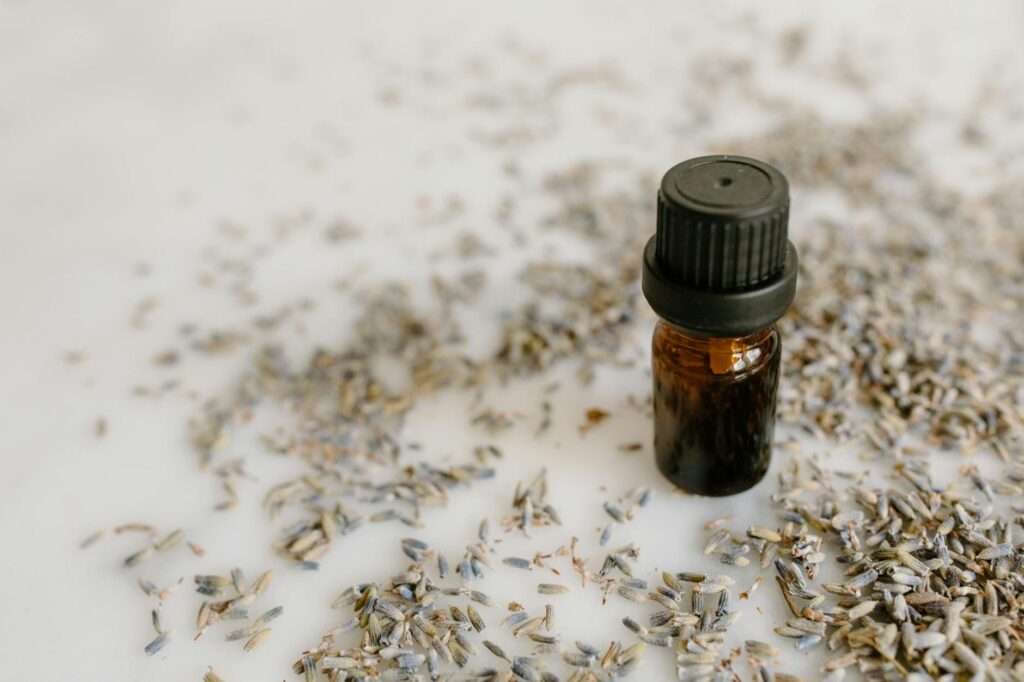
Aromatherapy Uses of Botanical Ingredients – Baobab Oil
Introduction
Aromatherapy, the therapeutic use of essential oils and other aromatic plant compounds, has gained popularity as a holistic wellness practice. Among the myriad of botanical ingredients used in this field, baobab oil stands out for its remarkable properties and versatility. Derived from the seeds of the baobab tree, which is often referred to as the “Tree of Life,” baobab oil has been valued for centuries by various cultures, particularly in Africa. This article delves into the characteristics, benefits, applications, and safety considerations surrounding baobab oil in the realm of aromatherapy.
What Is Botanical Ingredients – Baobab Oil?
Baobab oil is extracted from the seeds of the baobab tree (Adansonia digitata), which is native to Africa, Madagascar, and Australia. The baobab tree is known for its distinctive, large trunk and longevity, often living for over a thousand years. The oil itself is obtained through a cold-pressing process that preserves its beneficial compounds.
Rich in essential fatty acids, vitamins, and antioxidants, baobab oil is a light, non-greasy oil that is easily absorbed by the skin. Its unique composition makes it suitable for various applications, particularly in skincare and aromatherapy.
Key Benefits and Properties
Baobab oil boasts a plethora of benefits that contribute to its popularity in aromatherapy and skincare:
1. Nutritional Composition
Baobab oil is rich in essential fatty acids, including omega-3, omega-6, and omega-9, which are vital for maintaining healthy skin. It also contains high levels of vitamins A, D, E, and F, all of which support skin integrity and overall health.
2. Antioxidant Properties
The oil is packed with antioxidants, which help combat oxidative stress and neutralize free radicals. This property is particularly beneficial for skin health, as it promotes a youthful and vibrant appearance.
3. Moisturizing Qualities
Due to its light texture, baobab oil effectively hydrates the skin without clogging pores. It can help restore the skin’s natural moisture barrier, making it particularly useful for dry or sensitive skin types.
4. Anti-Inflammatory Effects
Baobab oil may have anti-inflammatory properties that can soothe irritated skin and reduce redness, making it a potential ally for those with inflammatory skin conditions.
5. Nourishing for Hair
In addition to skin benefits, baobab oil is also nourishing for hair. Its emollient properties can help improve hair texture, enhance shine, and reduce frizz.
Common Uses
Baobab oil can be utilized in various ways, making it a versatile ingredient in both aromatherapy and skincare:
1. Skincare
Baobab oil can be incorporated into moisturizers, serums, and lotions. It is often used in formulations aimed at hydrating and soothing the skin.
2. Hair Care
The oil can be applied directly to hair or blended into shampoos, conditioners, and hair masks. It helps to nourish and protect hair while promoting shine and manageability.
3. Massage Oil
Due to its lightweight texture, baobab oil is an excellent choice for massage oils. Its moisturizing properties enhance the overall experience, providing relaxation and hydration.
4. Aromatherapy Blends
Baobab oil can serve as a carrier oil for essential oils in aromatherapy blends, allowing for a more substantial and nourishing application.
Aromatherapy Applications
In the context of aromatherapy, baobab oil can be utilized in various ways to enhance well-being:
1. Diffusion
While baobab oil itself does not have a strong aroma, it can be blended with essential oils for diffusion. It serves as an excellent carrier oil for transporting the scent of essential oils into the air.
2. Topical Application
When mixed with essential oils, baobab oil can be applied topically. Its moisturizing and nourishing properties can enhance the therapeutic effects of the essential oils.
3. Bathing
Adding baobab oil to bathwater can create a luxurious and hydrating experience. It can help to soothe the skin while providing an aromatic experience when combined with essential oils.
4. Skin Treatments
Baobab oil can be used as a base for homemade skin treatments, such as facial masks or scrubs. Its nourishing properties complement other botanical ingredients, enhancing their effects.
Safety Considerations
While baobab oil is generally considered safe for topical use, it is important to adhere to certain guidelines:
1. Patch Test
Before using baobab oil, it is advisable to conduct a patch test to rule out any allergic reactions or sensitivities. Apply a small amount of the oil to a discreet area and observe for any adverse reactions over 24 hours.
2. Dilution with Essential Oils
When using baobab oil as a carrier for essential oils, ensure proper dilution. Generally, a dilution ratio of 1-2% is recommended for topical applications.
3. Avoiding Sensitive Areas
Avoid using baobab oil near the eyes or on broken skin. If irritation occurs, discontinue use and consult a healthcare professional.
4. Pregnancy and Nursing
Pregnant or nursing individuals should consult with a healthcare provider before using baobab oil or any essential oils.
Storage and Shelf Life
Proper storage of baobab oil is essential to maintain its quality and extend its shelf life:
1. Storage Conditions
Baobab oil should be stored in a cool, dark place, away from direct sunlight and heat sources. This helps to prevent the oil from becoming rancid and preserves its beneficial properties.
2. Container
It is advisable to keep baobab oil in a dark glass bottle, which can help protect it from light exposure. Ensure that the container is tightly sealed to prevent air from degrading the oil.
3. Shelf Life
When stored properly, baobab oil can last up to 2 years. However, it is always prudent to check for any changes in smell or appearance before use.
Frequently Asked Questions
1. Is baobab oil suitable for all skin types?
Yes, baobab oil is generally suitable for all skin types, including dry, oily, and sensitive skin. Its lightweight texture and non-comedogenic properties make it versatile.
2. Can baobab oil be ingested?
Baobab oil is primarily used for external applications. While the fruit of the baobab tree is edible and rich in nutrients, the oil should not be ingested unless specified by a qualified healthcare professional.
3. How does baobab oil compare to other carrier oils?
Baobab oil is lighter than many other carrier oils, such as coconut or olive oil. It absorbs quickly into the skin and is often preferred for its non-greasy feel.
4. Can I use baobab oil in homemade skincare products?
Yes, baobab oil can be used in various homemade skincare formulations, such as lotions, serums, and hair masks. Its nourishing properties complement other botanical ingredients well.
5. Where can I buy baobab oil?
Baobab oil can be found at health food stores, online retailers, and specialty shops that focus on natural beauty and wellness products. Always choose high-quality, cold-pressed oil for the best results.
Conclusion
Baobab oil is a remarkable botanical ingredient that offers a variety of benefits for skin and hair care. Its rich composition of essential fatty acids, vitamins, and antioxidants makes it a valuable addition to the world of aromatherapy. By understanding its properties, uses, and safety considerations, individuals can harness the power of baobab oil to enhance their well-being and explore the holistic benefits of aromatherapy.