
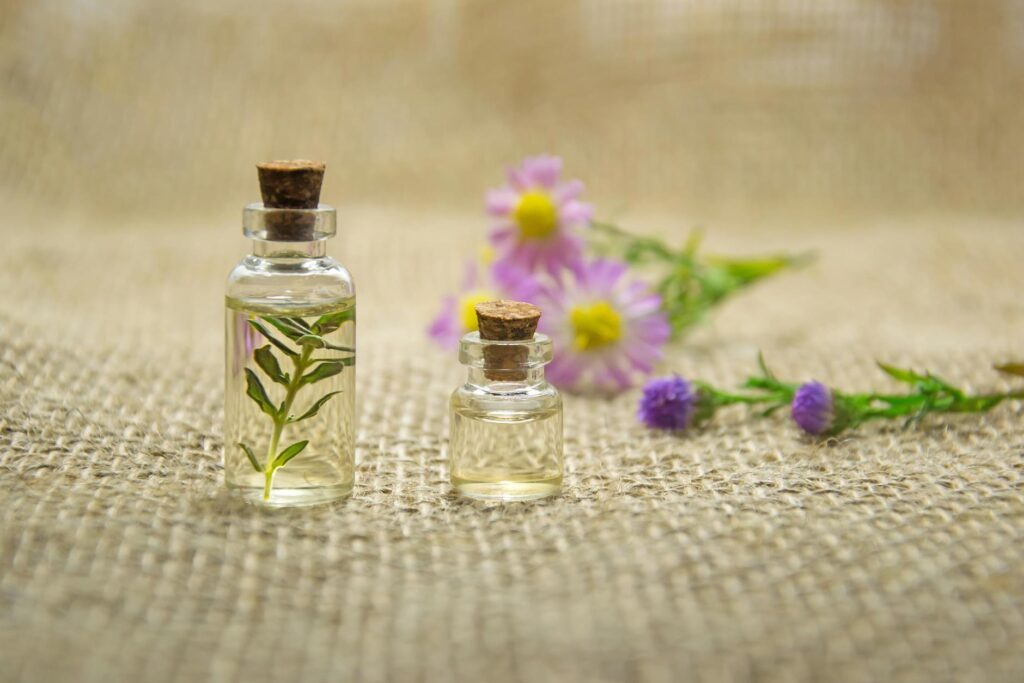
Aromatherapy Uses of Botanical Ingredients – Black Seed Oil
Introduction
Aromatherapy is a holistic practice that utilizes plant-based substances, particularly essential oils and other botanical ingredients, to promote physical, emotional, and spiritual well-being. Among the diverse array of botanical ingredients available, black seed oil stands out for its rich history and multifaceted applications. Derived from the seeds of the Nigella sativa plant, black seed oil has been utilized for centuries across various cultures for its potential health benefits and therapeutic properties. This article will explore the characteristics, benefits, and uses of black seed oil in the context of aromatherapy.
What Is Botanical Ingredients – Black Seed Oil?
Black seed oil, also known as black cumin seed oil, is extracted from the seeds of the flowering plant Nigella sativa, which belongs to the Ranunculaceae family. Native to Southwest Asia, the plant has gained global attention for its potent oil, which is rich in active compounds, including thymoquinone, which is believed to be responsible for many of its beneficial effects. The oil is commonly used in culinary practices, traditional medicine, and increasingly in aromatherapy due to its diverse therapeutic properties.
The extraction of black seed oil is typically performed via cold pressing, which helps preserve its valuable nutrients and characteristics. The oil has a distinct nutty flavor and a slightly peppery aroma, making it a versatile ingredient in both culinary and aromatic applications.
Key Benefits and Properties
Black seed oil is known for its rich phytochemical profile, which includes a variety of essential fatty acids, vitamins, and minerals. Some of the key properties of black seed oil include:
- Antioxidant Properties: The presence of thymoquinone and other compounds provides significant antioxidant activity, which may help neutralize free radicals and reduce oxidative stress.
- Anti-inflammatory Effects: Research suggests that black seed oil may help modulate inflammatory responses in the body, making it a popular choice for those looking to address inflammation-related concerns.
- Antimicrobial Activity: The oil has demonstrated antimicrobial properties, which could help inhibit the growth of certain bacteria and fungi.
- Skin Nourishment: Black seed oil is often used in skincare due to its moisturizing and nourishing effects, helping to maintain healthy skin.
- Respiratory Support: Traditionally, black seed oil has been used to support respiratory health, making it a candidate for use in inhalation therapies.
- Culinary Uses: The oil can be used as a cooking oil or added to salads and dressings, imparting a unique flavor.
- Cosmetic Applications: Black seed oil is a popular ingredient in skincare products, hair oils, and cosmetics due to its moisturizing and nourishing properties.
- Traditional Medicine: Across cultures, black seed oil has been utilized for various health-related purposes, including digestive support and immune system enhancement.
- Diffusion: Using a diffuser, black seed oil can be blended with other essential oils to create a soothing atmosphere. Its unique aroma can promote relaxation and mental clarity.
- Massage: When diluted with a carrier oil, black seed oil can be used in massage therapy to relieve muscle tension and promote relaxation, benefiting both the body and mind.
- Inhalation: Inhalation of black seed oil can be achieved by adding a few drops to a bowl of hot water or using an aromatherapy inhaler. This method may help support respiratory health and clear the mind.
- Bathing: Adding black seed oil to a warm bath can create a calming experience while nourishing the skin. It is often blended with other essential oils for enhanced aromatherapy benefits.
- Personal Care: Black seed oil can be incorporated into homemade personal care products, such as lotions, balms, and scrubs, enhancing their nourishing properties.
- Dilution: For topical applications, black seed oil should be diluted with a carrier oil to avoid skin irritation. A patch test is recommended before widespread use.
- Pregnancy and Nursing: Pregnant or nursing individuals should consult a healthcare provider before using black seed oil, as its effects during this period are not well-studied.
- Allergies: Individuals with known allergies to plants in the Ranunculaceae family should avoid using black seed oil.
- Interactions: Black seed oil may interact with certain medications, especially those affecting blood sugar and blood pressure. It is advisable to consult a healthcare professional if you are on medication.
Common Uses
In addition to its applications in aromatherapy, black seed oil is widely used in various fields:
Aromatherapy Applications
In the realm of aromatherapy, black seed oil can be employed in several ways to enhance emotional and physical well-being:
Safety Considerations
While black seed oil is generally considered safe for most people when used properly, it is essential to observe certain precautions:
Storage and Shelf Life
Proper storage is crucial to maintaining the quality of black seed oil. It should be kept in a cool, dark place, away from direct sunlight and heat. The oil is typically stored in dark glass bottles to protect it from light degradation. When stored correctly, black seed oil can have a shelf life of approximately one to two years. Always check for any changes in color, odor, or consistency before using the oil.
Frequently Asked Questions
1. Can black seed oil be ingested?
Yes, black seed oil can be ingested in moderation, typically as a supplement or culinary ingredient. However, it is essential to consult a healthcare professional for guidance on appropriate dosages.
2. Is black seed oil suitable for all skin types?
Black seed oil is generally suitable for most skin types, but individuals with sensitive skin should perform a patch test prior to widespread use.
3. Can black seed oil help with anxiety?
While some users report feelings of relaxation and mental clarity when using black seed oil in aromatherapy, scientific evidence supporting its effectiveness for anxiety is limited. It should not replace professional medical treatment for anxiety disorders.
4. How can I incorporate black seed oil into my daily routine?
Black seed oil can be added to culinary dishes, used in skincare routines, or employed in aromatherapy practices such as diffusion or massage. Its versatility makes it easy to include in various aspects of daily life.
5. Are there any side effects of using black seed oil?
While most individuals tolerate black seed oil well, possible side effects may include skin irritation or allergic reactions. It is advisable to consult a healthcare professional if you experience any adverse effects.
Conclusion
Black seed oil is a remarkable botanical ingredient with a rich history and wide-ranging applications in aromatherapy and beyond. Its unique properties and benefits make it a valuable addition to the holistic wellness toolkit. As with any botanical ingredient, it is essential to use black seed oil thoughtfully and safely, considering individual needs and preferences. By understanding its characteristics and applications, individuals can harness the potential of black seed oil to enhance their well-being and enrich their aromatherapy practices.