
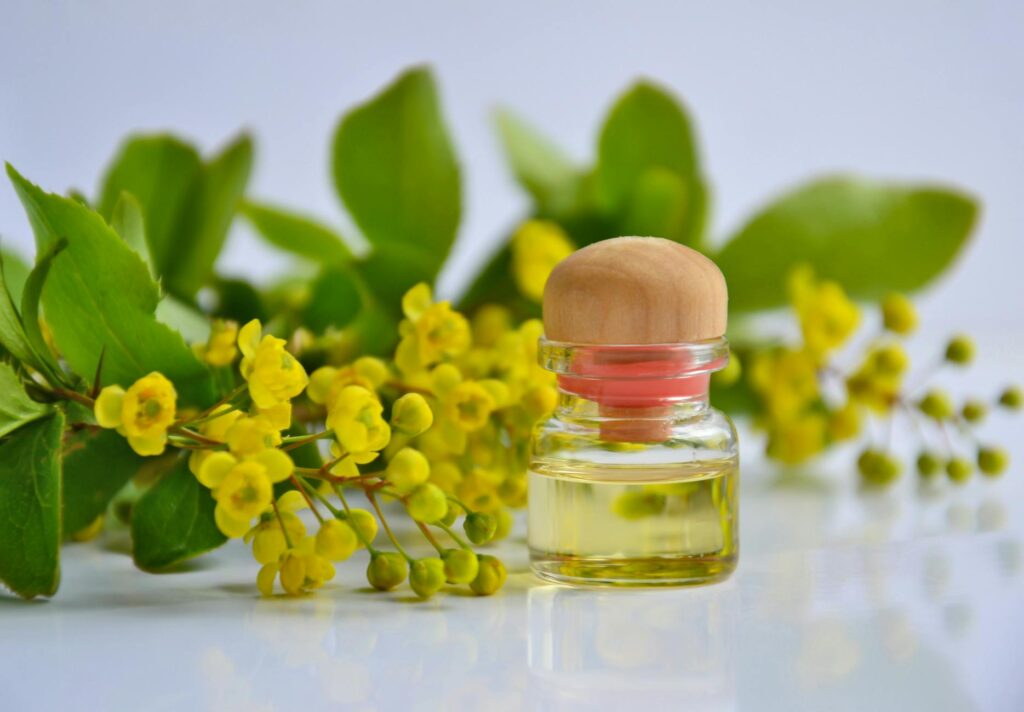
Aromatherapy Uses of Botanical Ingredients – Camellia Oil
Introduction
Aromatherapy is an ancient practice that utilizes the natural properties of botanical ingredients to enhance well-being and promote relaxation. One such ingredient that has garnered attention in both traditional and contemporary practices is Camellia oil. Extracted from the seeds of plants belonging to the Camellia genus, this oil boasts a rich history and a multitude of benefits. This article delves into the various aspects of Camellia oil, from its properties and common uses to its applications in aromatherapy.
What Is Botanical Ingredients – Camellia Oil?
Camellia oil is derived from the seeds of several species of the Camellia plant, with the most notable being Camellia oleifera and Camellia sinensis. The oil is typically cold-pressed, allowing it to retain its beneficial properties. It is often characterized by its light texture, mild aroma, and excellent absorbency, making it a favored ingredient in cosmetic formulations, culinary applications, and aromatherapy.
The Camellia plant itself is native to East Asia, particularly China and Japan, where it has been cultivated for centuries for its seeds and leaves. While the leaves of Camellia sinensis are primarily known for their role in producing tea, the seeds yield an oil that is rich in various nutrients, making it a versatile addition to aromatherapy and holistic practices.
Key Benefits and Properties
Camellia oil is renowned for its numerous benefits, primarily attributed to its rich composition, which includes:
1. Fatty Acids: High in oleic acid, Camellia oil is similar to olive oil and is known for its moisturizing properties. It aids in keeping the skin hydrated and supple.
2. Antioxidants: The oil contains antioxidants such as polyphenols, which help to combat oxidative stress and may contribute to skin health.
3. Vitamins: Camellia oil is a source of vitamins A, B, C, and E. These vitamins are essential for skin health, supporting cellular regeneration and providing anti-aging benefits.
4. Anti-inflammatory Properties: The oil’s anti-inflammatory characteristics can help soothe irritated skin and promote a calming effect.
5. Emollient Qualities: Camellia oil is an effective emollient, making it ideal for softening and smoothing the skin.
Common Uses
Camellia oil is widely utilized in various applications, including:
- Skincare: Its moisturizing properties make it a popular choice in facial oils, moisturizers, and serums. It is suitable for all skin types, including sensitive skin.
- Hair Care: The oil can be used as a hair treatment to nourish, strengthen, and add shine. It helps in reducing frizz and promoting overall hair health.
- Culinary Uses: In certain cultures, Camellia oil is used in cooking due to its high smoke point and mild flavor, making it suitable for sautéing and dressings.
- Massage Oil: Its smooth texture makes Camellia oil an ideal carrier oil for diluting essential oils in massage applications.
- Patch Test: Always conduct a patch test before using any new oil, especially for individuals with sensitive skin. Apply a small amount to a discreet area and wait 24 hours to check for any adverse reactions.
- Dilution: When using Camellia oil as a carrier oil, it is important to dilute it appropriately with essential oils. A general guideline is to use a 2% dilution for topical applications, which equals 12 drops of essential oil per ounce of carrier oil.
- Consultation: Individuals with specific health concerns or conditions should consult a qualified professional before incorporating new oils into their routines.
- Container: Store the oil in a dark glass bottle to protect it from light, which can degrade its quality.
- Temperature: Keep the oil in a cool, dry place, away from direct sunlight and heat sources.
- Shelf Life: When stored correctly, Camellia oil has a shelf life of approximately 12 to 24 months. However, it is advisable to check for any changes in smell or appearance before use.
Aromatherapy Applications
In the realm of aromatherapy, Camellia oil can serve several purposes:
1. Carrier Oil: As a carrier oil, Camellia oil is often blended with essential oils for topical application. Its light texture allows for easy absorption, making it an ideal base for various blends.
2. Relaxation and Stress Relief: When combined with essential oils such as lavender or chamomile, Camellia oil can enhance relaxation and help alleviate stress. The gentle aroma can create a calming environment.
3. Skin Rejuvenation: In aromatherapy blends focused on skin rejuvenation, Camellia oil’s nourishing properties can promote a healthy complexion. It can be combined with oils like rose or geranium for added benefits.
4. Hair Restoration: For those looking to improve hair health, blending Camellia oil with essential oils like rosemary or cedarwood can enhance its restorative properties.
5. Bath Additive: Adding Camellia oil to bath water can create a luxurious experience. The oil can be combined with essential oils for a soothing soak that nourishes the skin.
Safety Considerations
While Camellia oil is generally considered safe for topical use, certain precautions should be observed:
Storage and Shelf Life
To maximize the longevity and efficacy of Camellia oil, proper storage is essential:
Frequently Asked Questions
1. What is the best way to use Camellia oil in aromatherapy?
Camellia oil is best used as a carrier oil in aromatherapy. It can be blended with essential oils for topical applications, massage, or added to bath water for a soothing experience.
2. Can Camellia oil be used on all skin types?
Yes, Camellia oil is suitable for all skin types, including sensitive skin. Its lightweight texture and hydrating properties make it a versatile choice for skincare.
3. Is Camellia oil safe for culinary use?
Camellia oil is safe for culinary use, particularly in certain cultures where it is used as a cooking oil. It has a high smoke point and a mild flavor.
4. How can I incorporate Camellia oil into my hair care routine?
You can use Camellia oil as a hair treatment by applying it to the ends of your hair to reduce frizz and add shine. It can also be mixed with essential oils for enhanced benefits.
5. How do I know if Camellia oil has gone bad?
Signs that Camellia oil may have gone bad include a rancid or off smell, changes in color or consistency, or the presence of sediment. If any of these occur, it is best to discard the oil.
Conclusion
Camellia oil is a valuable botanical ingredient that offers a wide range of benefits and applications in aromatherapy. Whether used as a carrier oil, in skincare, or for culinary purposes, its rich composition and versatile properties make it an essential addition to holistic practices. By understanding its benefits, uses, and safety considerations, individuals can effectively incorporate Camellia oil into their daily routines, enhancing their overall well-being.