
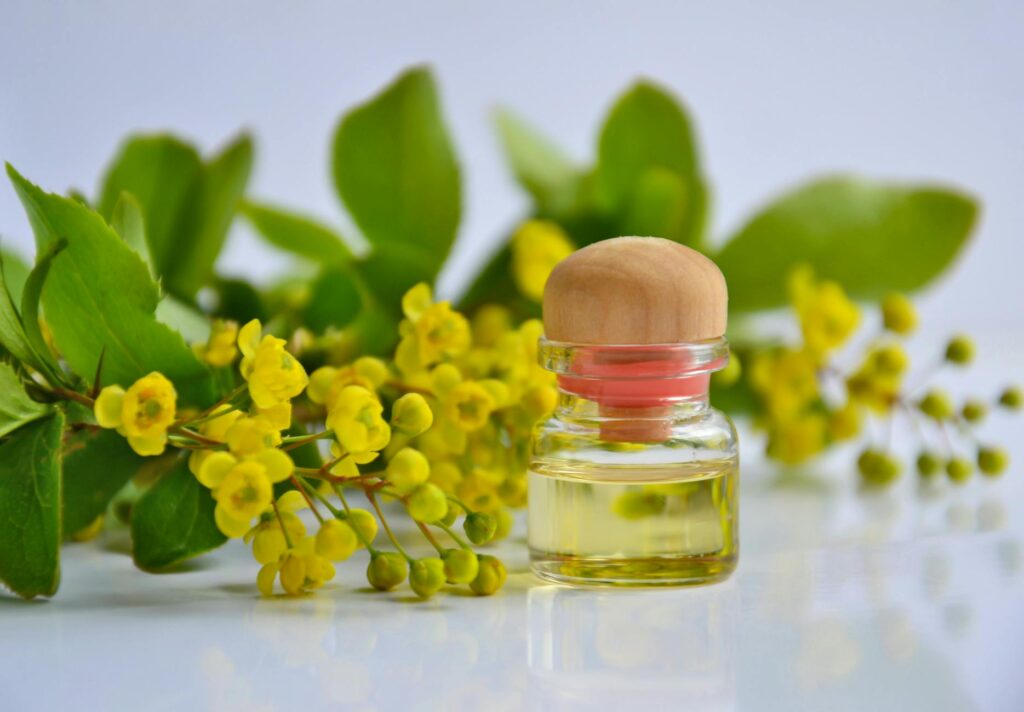
Aromatherapy Uses of Botanical Ingredients – Coconut Oil
Introduction
Coconut oil has gained significant popularity in recent years, particularly within the realms of beauty, wellness, and aromatherapy. Extracted from the flesh of the mature coconut fruit (Cocos nucifera), this versatile oil is lauded for its myriad applications and beneficial properties. This article explores the characteristics of coconut oil, its key benefits, common uses, and its role in aromatherapy, helping you understand how to incorporate this botanical ingredient into your daily routine.
What Is Botanical Ingredients – Coconut Oil?
Coconut oil is a naturally occurring fat obtained from the meat or kernel of coconuts. It is a triglyceride, predominantly composed of saturated fatty acids, including lauric acid, which is responsible for its unique properties. The oil can be refined or unrefined; unrefined coconut oil retains more of its natural aroma, flavor, and nutrients, making it a preferred choice for many aromatherapy practitioners.
Coconut oil is solid at room temperature but melts into a clear liquid when warmed. Its mild scent and light texture make it an ideal carrier oil, often used to dilute essential oils for topical applications.
Key Benefits and Properties
Coconut oil is celebrated for various beneficial properties, including:
1. Moisturizing Agent: Due to its high-fat content, coconut oil is an excellent moisturizer, providing hydration and nourishment to the skin.
2. Antimicrobial Properties: The presence of lauric acid gives coconut oil its antimicrobial qualities, making it effective against certain bacteria and fungi.
3. Anti-inflammatory Effects: Coconut oil has been noted for its potential anti-inflammatory properties, which can help soothe irritation and redness.
4. Rich in Antioxidants: The oil contains antioxidants that can combat oxidative stress, contributing to overall skin health.
5. Easily Absorbed: Coconut oil penetrates the skin easily, enabling better absorption of essential oils when used as a carrier.
These properties make coconut oil a valuable option for various applications in aromatherapy, skincare, and health.
Common Uses
Coconut oil is highly versatile and can be used in many contexts, including:
1. Skin Care: It is commonly used in moisturizers, body scrubs, and lip balms due to its hydrating properties.
2. Hair Care: Coconut oil can be applied as a hair mask or used to tame frizz and add shine.
3. Cooking: Edible coconut oil is used in cooking and baking, offering a unique flavor and aroma.
4. Massage: As a massage oil, coconut oil provides a smooth glide while nourishing the skin.
5. Makeup Remover: It can effectively dissolve makeup, making it a gentle option for cleansing.
These uses highlight the oil’s adaptability, making it a staple in both personal care and culinary applications.
Aromatherapy Applications
In aromatherapy, coconut oil serves as a carrier oil, which means it is used to dilute essential oils before topical application. This dilution is crucial for safety, as essential oils can be potent and may cause skin irritation if used undiluted. Here are several ways coconut oil can be integrated into aromatherapy:
1. Dilution of Essential Oils: A general guideline is to mix 1-2 drops of essential oil with a teaspoon of coconut oil for topical applications. This can vary depending on the specific essential oil and individual skin sensitivity.
2. Massage Blends: When combined with essential oils, coconut oil creates an effective massage blend. Popular combinations might include lavender for relaxation or peppermint for invigorating massages.
3. Diffuser Blends: While coconut oil is not typically used in diffusers, it can be blended with essential oils in a carrier for topical use after diffusion, enhancing the aroma while benefiting the skin.
4. Bath Products: Coconut oil can be added to bath oils or salt scrubs, allowing the skin to absorb its nourishing properties while enjoying the aromatic experience of essential oils.
5. Skin Treatments: Combining coconut oil with essential oils like tea tree for its antimicrobial properties or chamomile for its soothing effects can create effective skincare treatments.
Safety Considerations
While coconut oil is generally considered safe for most individuals, there are some important safety considerations to keep in mind:
1. Skin Sensitivity: Always perform a patch test before using coconut oil with essential oils on larger skin areas. Apply a small amount to a discreet area and wait 24 hours to check for any adverse reactions.
2. Quality of Oil: Choose high-quality, organic, unrefined coconut oil when possible. This ensures that the oil retains its beneficial properties without the addition of harmful chemicals or additives.
3. Essential Oil Safety: Be aware of the specific safety guidelines for each essential oil. Some oils may not be suitable for pregnant women, children, or individuals with certain medical conditions.
4. Storage: Coconut oil should be stored in a cool, dark place to maintain its integrity and extend its shelf life.
Storage and Shelf Life
Coconut oil has a relatively long shelf life, typically lasting between 18 months to 2 years when stored properly. Here are some storage tips:
1. Container: Use an airtight glass container to prevent exposure to air and moisture, which can lead to rancidity.
2. Temperature: Store coconut oil in a cool, dark place away from direct sunlight or heat sources. Avoid keeping it in areas with fluctuating temperatures.
3. Signs of Spoilage: If the coconut oil develops an off smell, unusual color, or a rancid taste, it may have spoiled and should be discarded.
Frequently Asked Questions
1. Can I use coconut oil on my face?
Yes, many people use coconut oil on their faces as a moisturizer. However, if you are prone to acne or have oily skin, you may want to use it sparingly, as it can clog pores for some individuals.
2. Is coconut oil safe for all skin types?
Coconut oil is generally safe for most skin types but may not be suitable for everyone. It is advisable to perform a patch test to check for allergic reactions or irritations.
3. Can I use coconut oil for aromatherapy if I have sensitive skin?
Yes, coconut oil is often recommended for sensitive skin due to its gentle nature. However, combining it with essential oils should be done cautiously and always diluted properly.
4. How do I remove coconut oil from my skin or hair?
Coconut oil can be removed using a gentle cleanser or shampoo. If using it as a moisturizer, a warm washcloth can help wipe it away effectively.
5. Can coconut oil be used in cooking?
Yes, edible coconut oil is commonly used in cooking and baking. It can enhance the flavor of dishes and is suitable for high-heat cooking.
Conclusion
Coconut oil is a multifaceted botanical ingredient that brings numerous benefits to the fields of aromatherapy, skincare, and culinary arts. Its moisturizing properties, antimicrobial effects, and adaptability make it an essential component in many applications. Whether used as a carrier oil for essential oils, a moisturizer, or a cooking ingredient, coconut oil continues to be a favored choice for those seeking natural solutions for health and wellness. By understanding its properties and uses, you can effectively incorporate coconut oil into your daily routine, enhancing both your aromatic experiences and overall well-being.