
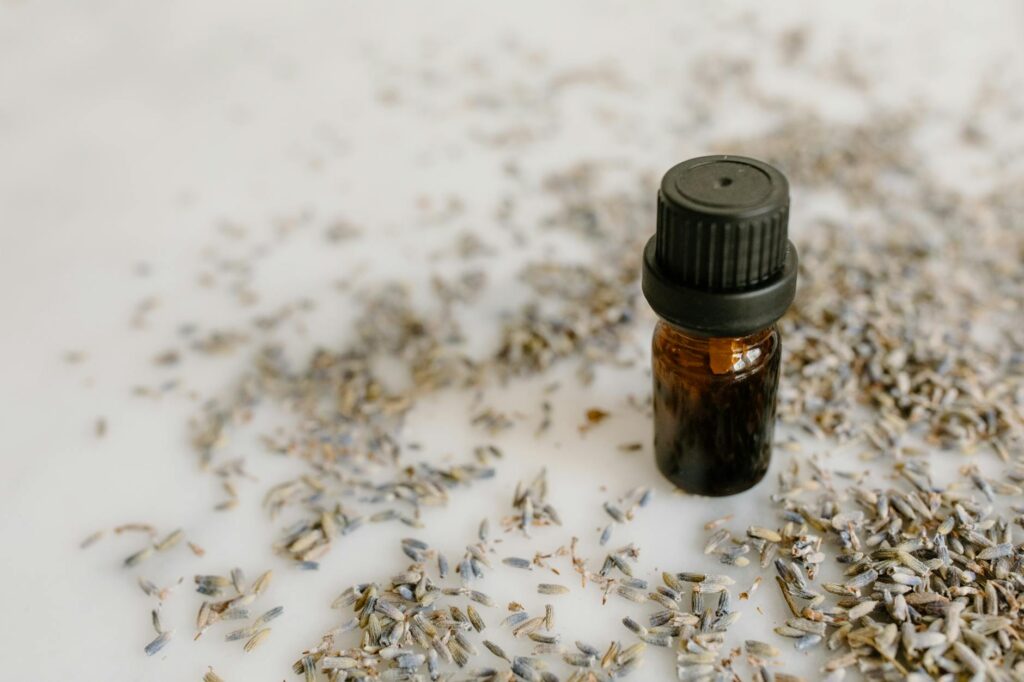
Aromatherapy Uses of Botanical Ingredients – Hemp Seed Oil
Introduction
Aromatherapy, a holistic healing practice that utilizes plant-derived essential oils and botanical ingredients, has gained significant popularity in recent years. One botanical ingredient that has emerged as a noteworthy player in the world of aromatherapy is hemp seed oil. Known for its rich nutrient profile and versatile applications, hemp seed oil has found its place in various wellness and beauty regimens. This article explores the characteristics, benefits, and uses of hemp seed oil, particularly in the context of aromatherapy.
What Is Botanical Ingredients – Hemp Seed Oil?
Hemp seed oil is derived from the seeds of the hemp plant, Cannabis sativa. Unlike CBD oil or THC-rich extracts, hemp seed oil contains minimal amounts of cannabinoids and primarily serves as a carrier oil. The oil is cold-pressed from the seeds, preserving its valuable nutrients and properties. While it is often confused with other hemp-derived products, hemp seed oil stands out due to its unique composition, which includes essential fatty acids, vitamins, and minerals.
Key Benefits and Properties
Hemp seed oil is celebrated for its plethora of beneficial properties, which include:
1. Nutrient-Rich Composition
Hemp seed oil is rich in essential fatty acids, particularly omega-3 and omega-6, which are vital for maintaining overall health. It also contains gamma-linolenic acid (GLA), which is known for its anti-inflammatory properties.
2. Moisturizing Effects
The oil has excellent emollient properties, making it beneficial for skin hydration. Its fatty acids help to maintain the skin’s barrier function, preventing moisture loss and promoting a healthy complexion.
3. Anti-Inflammatory Properties
Research indicates that hemp seed oil may help reduce inflammation, making it a popular choice for those seeking natural remedies for skin irritations and other inflammatory conditions.
4. Antioxidant Benefits
Hemp seed oil contains antioxidants, which can help protect the skin from oxidative stress and free radical damage. This property is beneficial in the context of anti-aging and skin health.
5. Non-Comedogenic Nature
Unlike some oils that may clog pores, hemp seed oil is non-comedogenic, making it suitable for all skin types, including oily and acne-prone skin.
Common Uses
Hemp seed oil is a versatile ingredient that has found applications beyond aromatherapy. Some common uses include:
1. Skincare
Due to its moisturizing and soothing properties, hemp seed oil is a popular ingredient in lotions, creams, and serums. It can help alleviate dry skin, reduce redness, and promote overall skin health.
2. Haircare
Hemp seed oil is often used in shampoos and conditioners, where it helps to nourish the scalp, reduce dryness, and promote healthy hair growth.
3. Culinary Applications
Hemp seed oil is also utilized in cooking and food products. Its nutty flavor makes it a delightful addition to salad dressings and smoothies, while its nutrient profile enhances overall dietary intake.
4. Supplementation
Some people take hemp seed oil as a dietary supplement to benefit from its essential fatty acids and other nutrients.
Aromatherapy Applications
In aromatherapy, hemp seed oil is primarily used as a carrier oil, meaning it serves as a base to dilute essential oils before application. Its light texture and skin-friendly properties make it an excellent choice for various aromatherapy applications, including:
1. Massage
When blended with essential oils, hemp seed oil can be used for therapeutic massages. Its moisturizing properties enhance the massage experience, while its anti-inflammatory benefits may help soothe sore muscles.
2. Diffusion
While hemp seed oil is not typically used for diffusion, it can be incorporated into topical blends or massage oils to enhance the overall aroma and benefits of essential oils.
3. Skincare Blends
Hemp seed oil can serve as a base for skincare blends that incorporate essential oils known for their skin benefits, such as tea tree, lavender, or frankincense.
4. Bath Products
Hemp seed oil can be added to bath oils or salts for a luxurious and hydrating bathing experience. When combined with soothing essential oils like chamomile or eucalyptus, it can provide relaxation and stress relief.
Safety Considerations
While hemp seed oil is generally considered safe for topical and culinary use, some considerations should be taken into account:
1. Allergies
Individuals with known allergies to hemp or cannabis products should avoid using hemp seed oil. A patch test is advisable before widespread application to check for allergic reactions.
2. Quality of Oil
Always choose high-quality, cold-pressed hemp seed oil from reputable sources. Low-quality oils may be refined or mixed with other oils, compromising their beneficial properties.
3. Consultation
If you are pregnant, breastfeeding, or have any underlying health conditions, consult with a healthcare professional before incorporating new oils or products into your routine.
Storage and Shelf Life
Proper storage is crucial for maintaining the quality of hemp seed oil. Here are some storage tips:
1. Keep It Cool
Hemp seed oil should be stored in a cool, dark place, away from direct sunlight and heat sources. A refrigerator is an ideal location to prolong its shelf life.
2. Use Dark Glass Bottles
If possible, store hemp seed oil in dark glass bottles to protect it from light exposure, which can degrade the oil over time.
3. Check Expiry Dates
Always check the expiration date on the bottle. Typically, hemp seed oil has a shelf life of about 6 to 12 months when stored properly.
Frequently Asked Questions
1. Can hemp seed oil get you high?
No, hemp seed oil contains minimal amounts of THC, the psychoactive compound found in cannabis. It does not produce any euphoric effects.
2. Is hemp seed oil suitable for all skin types?
Yes, hemp seed oil is non-comedogenic and suitable for all skin types, including oily and acne-prone skin.
3. How can I incorporate hemp seed oil into my skincare routine?
You can use hemp seed oil as a moisturizer, massage oil, or as a carrier oil for essential oils. It can also be added to DIY skincare formulations.
4. Is hemp seed oil safe for consumption?
Yes, hemp seed oil is safe for culinary use and is often included in salad dressings and smoothies. However, be sure to choose food-grade oil.
5. What essential oils blend well with hemp seed oil?
Hemp seed oil blends well with various essential oils, including lavender, tea tree, rosemary, and frankincense, making it versatile for different aromatherapy applications.
Conclusion
Hemp seed oil is a remarkable botanical ingredient that offers a range of benefits, particularly in the realm of aromatherapy. Its nutrient-rich profile and moisturizing properties make it a valuable addition to skincare and wellness routines. By understanding its uses and applications, individuals can effectively incorporate hemp seed oil into their holistic practices. As with any botanical ingredient, it’s essential to choose high-quality products and consider personal sensitivities to enjoy the full benefits of this versatile oil.