
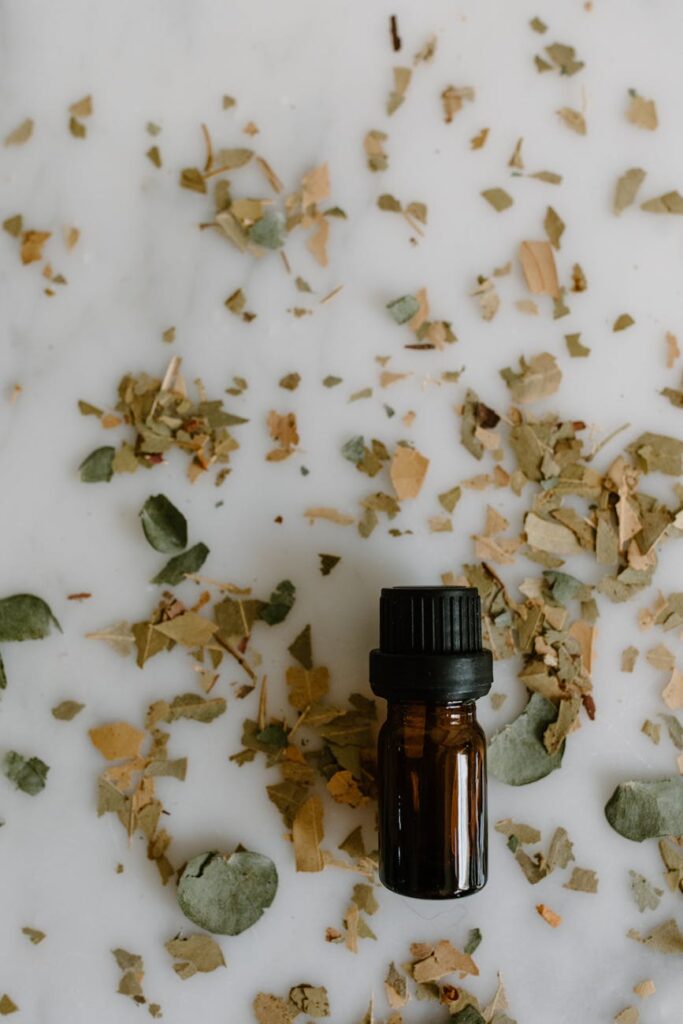
Aromatherapy Uses of Botanical Ingredients – Kukui Nut Oil
Introduction
Aromatherapy has gained recognition for its holistic approach to wellness through the use of essential oils and botanical ingredients. Among these, Kukui nut oil stands out due to its unique properties and extensive uses. This article aims to provide a comprehensive overview of Kukui nut oil, including its origins, benefits, applications in aromatherapy, safety considerations, and more.
What Is Botanical Ingredients – Kukui Nut Oil?
Kukui nut oil, derived from the nuts of the Aleurites molucanna tree, is a traditional ingredient in Hawaiian culture. Known as the candlenut tree, it thrives in tropical climates and has been valued for centuries for its culinary and medicinal uses. The oil is extracted through a cold-press method, preserving its beneficial properties.
The oil has a light consistency and is often characterized by its nutty aroma. It is rich in essential fatty acids, including omega-3 and omega-6, making it an excellent moisturizing agent for skin and hair. Kukui nut oil is also known for its ability to penetrate deep into the skin, making it suitable for various topical applications.
Key Benefits and Properties
Kukui nut oil offers a range of benefits due to its unique composition:
1. Moisturizing: The oil is an excellent emollient, helping to hydrate and soften the skin. It is often used in lotions and creams for its ability to lock in moisture.
2. Anti-inflammatory: Kukui nut oil contains compounds that may help reduce inflammation, making it beneficial for soothing irritated skin.
3. Rich in Antioxidants: The oil is packed with antioxidants, which can help combat oxidative stress and protect the skin from environmental damage.
4. Skin Healing: Known for its skin-repairing properties, Kukui nut oil can aid in the healing of wounds, sunburns, and other skin conditions.
5. Nutrient-Rich: The oil contains vital nutrients, including vitamins A, C, and E, which are essential for maintaining healthy skin.
6. Hair Care: Kukui nut oil is also beneficial for hair, promoting shine and moisture while reducing frizz.
Common Uses
Kukui nut oil is versatile and can be utilized in several applications, including:
- Skincare Products: Its moisturizing properties make it a popular ingredient in lotions, creams, and serums.
- Hair Care: Often found in shampoos, conditioners, and hair oils, it helps to nourish and protect hair.
- Massage Oil: The light texture and pleasant aroma make it an excellent choice for use in massage therapy.
- Culinary Uses: While primarily known for its external applications, Kukui nut oil is also used in traditional Hawaiian cuisine.
- Patch Test: Before using Kukui nut oil or any new product, performing a patch test on a small area of skin can help identify any adverse reactions.
- Pregnancy and Nursing: If pregnant or nursing, consult a qualified healthcare provider before using Kukui nut oil, especially in conjunction with essential oils.
- Allergies: Individuals with nut allergies should exercise caution when using Kukui nut oil, as it is derived from a nut.
- Dilution: When using Kukui nut oil as a carrier oil for essential oils, it is important to follow recommended dilution guidelines to ensure safety.
- Dark, Cool Place: Store the oil in a dark glass bottle in a cool, dry place away from direct sunlight. This helps to prevent oxidation.
- Seal Tightly: Ensure the bottle is sealed tightly to minimize exposure to air, which can degrade the oil over time.
- Shelf Life: When stored correctly, Kukui nut oil typically has a shelf life of about 1 to 2 years. However, it is advisable to check for any changes in smell or appearance before use.
Aromatherapy Applications
In aromatherapy, Kukui nut oil is often blended with essential oils to enhance its therapeutic benefits. Here are some ways it can be used:
1. Carrier Oil: Due to its lightweight nature, Kukui nut oil serves as a superb carrier oil for diluting essential oils before topical application. It can be mixed with oils like lavender, eucalyptus, or tea tree for added benefits.
2. Moisturizing Aromatherapy Blends: Kukui nut oil can be blended with essential oils in a roll-on or lotion form to create a moisturizing aromatherapy blend. The nutty aroma complements floral or citrus oils beautifully.
3. Diffusion: While Kukui nut oil itself may not be diffused, it can be added to a blend of essential oils for a moisturizing effect when applied to the skin after diffusion.
4. Bath Oils: Adding Kukui nut oil to bath water can help nourish the skin while providing a relaxing aromatherapy experience.
5. Massage: Its light texture and skin benefits make it an ideal choice for massage oils, especially when combined with calming essential oils like chamomile or geranium.
Safety Considerations
While Kukui nut oil is generally considered safe for use, it is essential to keep the following points in mind:
Storage and Shelf Life
To maintain the quality of Kukui nut oil, proper storage is essential:
Frequently Asked Questions
1. Is Kukui nut oil suitable for all skin types?
Kukui nut oil is generally suitable for most skin types, including dry, sensitive, and combination skin. However, individuals with nut allergies should avoid it.
2. Can Kukui nut oil be used on the face?
Yes, Kukui nut oil can be applied to the face due to its lightweight and non-comedogenic properties. It may help hydrate and nourish the skin without clogging pores.
3. How do I incorporate Kukui nut oil into my skincare routine?
Kukui nut oil can be used as a standalone moisturizer, added to your existing creams or lotions, or blended with essential oils for enhanced benefits.
4. Is Kukui nut oil safe for children?
Kukui nut oil is generally safe for children, but it is recommended to consult a pediatrician before introducing any new skincare products.
5. Can Kukui nut oil be ingested?
While Kukui nut oil has culinary uses in traditional Hawaiian cuisine, it is crucial to consult a healthcare professional before consuming any botanical oil.
Conclusion
Kukui nut oil is a remarkable botanical ingredient with a rich history and a plethora of benefits. Its moisturizing, anti-inflammatory, and healing properties make it an invaluable asset in both skincare and aromatherapy. By understanding its applications and safety considerations, individuals can effectively incorporate Kukui nut oil into their wellness routines. Whether used alone or blended with essential oils, Kukui nut oil offers a natural way to enhance both skin and hair health, making it a cherished ingredient in holistic practices worldwide.