
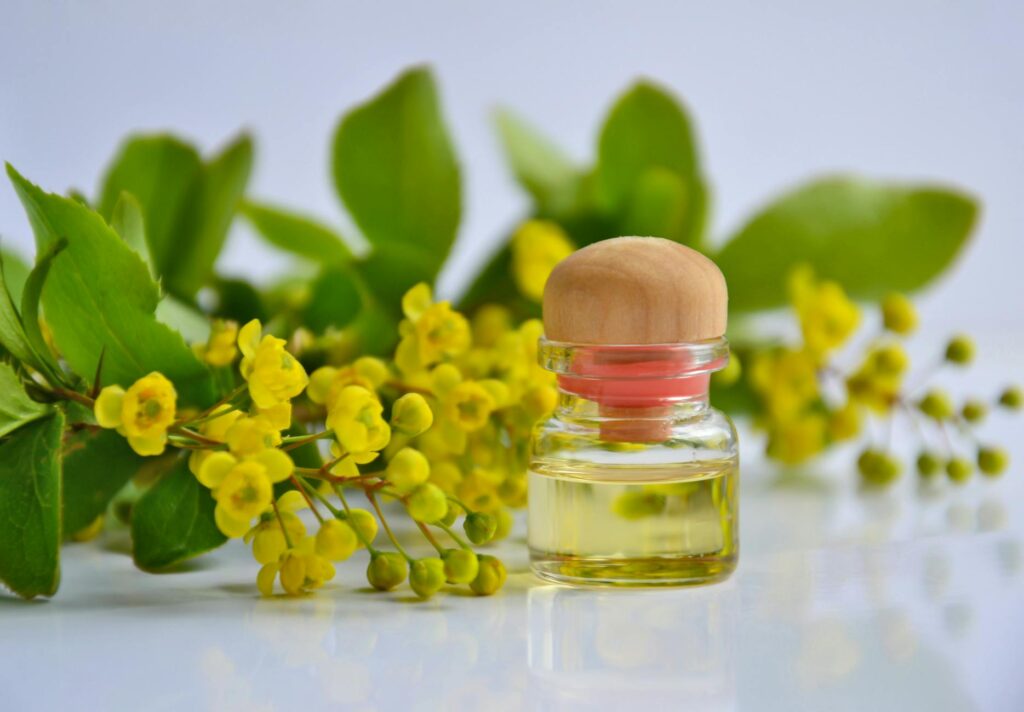
Aromatherapy Uses of Botanical Ingredients – Neem Oil
Introduction
Aromatherapy has gained recognition as a holistic approach to wellness, harnessing the power of essential oils and botanical ingredients to promote physical and emotional well-being. Among the plethora of botanical oils, neem oil stands out due to its rich history and diverse applications. This article delves into neem oil, exploring its properties, uses in aromatherapy, and important safety considerations.
What Is Botanical Ingredients – Neem Oil?
Neem oil is derived from the seeds of the neem tree (Azadirachta indica), a tree native to the Indian subcontinent but now found in tropical and subtropical regions worldwide. The neem tree is often referred to as the “village pharmacy” in India due to its extensive medicinal uses and benefits.
The oil is extracted through cold pressing, ensuring that its beneficial properties remain intact. Neem oil is characterized by its strong, pungent aroma, which can be off-putting to some but is a testament to its potency. Rich in fatty acids, triglycerides, and various bioactive compounds, neem oil is often considered a valuable ingredient in both skincare and aromatherapy practices.
Key Benefits and Properties
Neem oil possesses a wide array of beneficial properties that make it a sought-after ingredient in aromatherapy and natural wellness. Some of its key properties include:
1. Antimicrobial: Neem oil is known for its ability to combat various types of bacteria, viruses, and fungi. This makes it a popular choice for formulations aimed at promoting skin health.
2. Anti-inflammatory: The oil contains compounds that may help reduce inflammation and soothe irritated skin, making it beneficial for those with sensitive or inflamed skin conditions.
3. Insecticidal: Traditionally, neem oil has been used as a natural pesticide. Its insecticidal properties can repel a variety of pests, which is why it is often incorporated into natural insect repellent blends.
4. Moisturizing: Neem oil is rich in fatty acids, which can help moisturize and nourish the skin, making it a popular addition to cosmetic formulations.
5. Antioxidant: The oil contains antioxidants that help protect the skin from oxidative stress and environmental damage, contributing to overall skin health.
Common Uses
Neem oil has a versatile range of applications across various domains, including:
- Skin Care: Neem oil is often incorporated into creams, lotions, and serums for its moisturizing and antibacterial properties. It is commonly used to alleviate conditions such as acne, eczema, and psoriasis.
- Hair Care: Due to its nourishing properties, neem oil is frequently added to shampoos and conditioners to promote a healthy scalp and hair.
- Insect Repellent: Its natural insecticidal properties make neem oil an effective ingredient in DIY insect repellents, providing a chemical-free alternative to conventional products.
- Household Cleaning: Neem oil can be used in eco-friendly cleaning products due to its antimicrobial properties, making it an effective natural disinfectant.
- Containers: Store neem oil in a dark glass bottle to protect it from light, which can degrade its quality.
- Temperature: Keep neem oil in a cool, dry place, away from direct sunlight and heat sources.
- Shelf Life: When stored properly, neem oil can last up to 1-2 years. Signs of spoilage include a rancid smell or changes in color and consistency.
Aromatherapy Applications
In aromatherapy, neem oil is not typically used as a primary essential oil due to its strong aroma. However, it can be blended with other essential oils to enhance its benefits while masking its scent. Here are some common ways to incorporate neem oil into aromatherapy:
1. Blending with Other Essential Oils: Neem oil can be mixed with more fragrant essential oils, such as lavender, tea tree, or eucalyptus, to create a balanced blend that retains its beneficial properties while improving the overall scent.
2. Massage Oil: When diluted with a carrier oil (such as jojoba or sweet almond oil), neem oil can be used in massage therapies to soothe sore muscles and reduce tension, thanks to its anti-inflammatory properties.
3. Diffusion: Although neem oil may not be the first choice for diffusion, it can be used in small amounts in a diffuser to purify the air and provide a natural insect-repelling environment.
4. Skin Treatments: Neem oil can be added to topical blends aimed at treating various skin issues. Mixing it with a carrier oil and applying it to affected areas can harness its antibacterial and anti-inflammatory properties.
5. Insect Repellent Formulations: By blending neem oil with other essential oils known for their insect-repelling properties, such as citronella or peppermint, you can create a natural repellent for outdoor use.
Safety Considerations
While neem oil is generally considered safe for topical use when properly diluted, it’s essential to take certain precautions:
1. Dilution: Neem oil should always be diluted with a carrier oil before applying it to the skin to minimize the risk of irritation. A common dilution ratio is 1 part neem oil to 3 parts carrier oil.
2. Patch Test: Before using neem oil on a larger area of skin, it is advisable to conduct a patch test. Apply a small amount of diluted neem oil to a discreet area and observe for any adverse reactions over 24 hours.
3. Pregnancy and Nursing: Pregnant or nursing individuals should consult with a healthcare professional before using neem oil, as its effects during these periods are not fully understood.
4. Allergies: Individuals with allergies to plants in the Meliaceae family (such as mahogany) may be more prone to experiencing allergic reactions to neem oil.
5. Children: Neem oil should be used with caution in children. It is advisable to consult with a healthcare professional before applying neem oil to children’s skin.
Storage and Shelf Life
To maintain the integrity and effectiveness of neem oil, proper storage is crucial:
Frequently Asked Questions
1. Can neem oil be used for all skin types?
While neem oil is beneficial for many skin types, individuals with sensitive skin should exercise caution and conduct a patch test before widespread use.
2. Is neem oil safe for pets?
Neem oil is often used in pet care products due to its natural insecticidal properties. However, it is essential to consult with a veterinarian before using neem oil on pets, as some animals may be more sensitive to it.
3. Can neem oil help with acne?
Neem oil possesses antibacterial and anti-inflammatory properties that may help reduce acne. However, it should be diluted with a carrier oil before topical application.
4. How do I incorporate neem oil into my skincare routine?
You can add a few drops of diluted neem oil to your existing skincare products or use it as a spot treatment for specific concerns. Always remember to dilute it with a carrier oil.
5. What other oils can be blended with neem oil?
Neem oil can be blended with a variety of essential oils, including lavender, tea tree, and eucalyptus, to create fragrant and beneficial blends for different applications.
Conclusion
Neem oil is a remarkable botanical ingredient with a rich history and numerous benefits. Its diverse applications in skincare, hair care, and aromatherapy make it a valuable addition to any natural wellness routine. By understanding its properties, uses, and safety considerations, individuals can effectively harness the potential of neem oil to promote holistic well-being.