
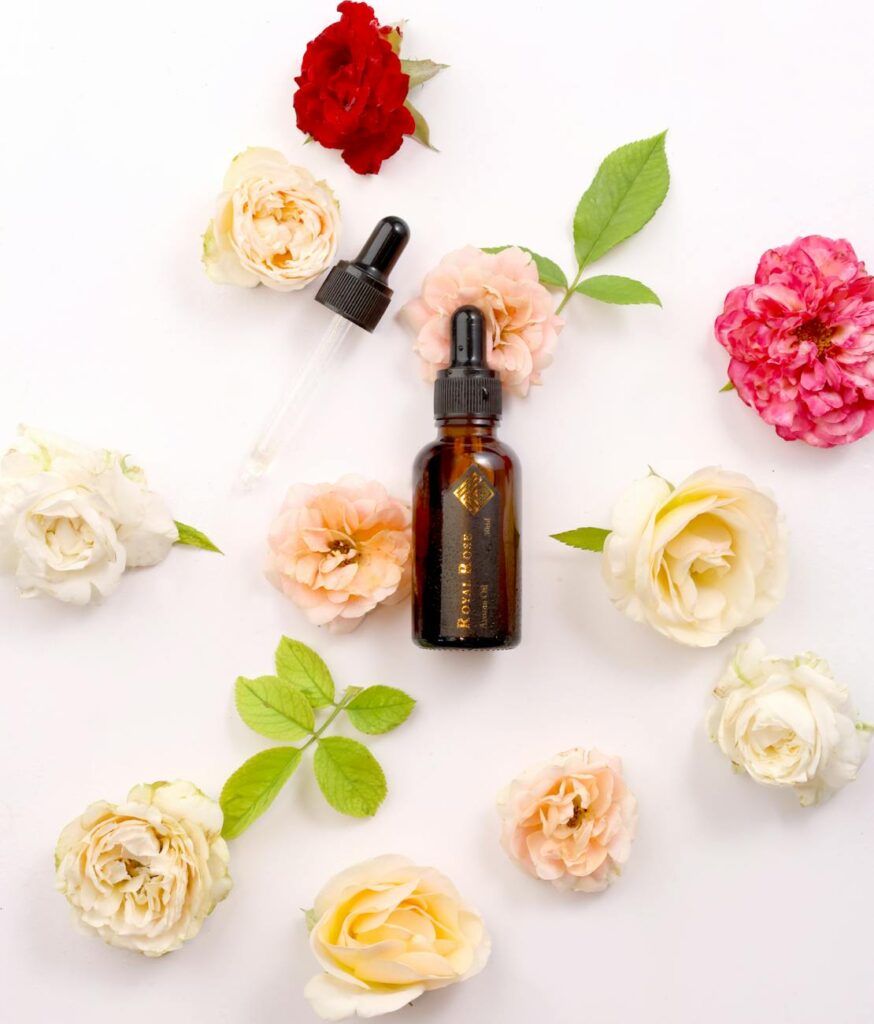
Aromatherapy Uses of Botanical Ingredients – Rose Oil
Introduction
Aromatherapy, the practice of using essential oils extracted from plants for therapeutic purposes, has gained significant popularity in recent years. Among the myriad of essential oils available, rose oil stands out for its rich fragrance and numerous beneficial properties. This article delves into the botanical ingredients of rose oil, exploring its key benefits, common uses, applications in aromatherapy, safety considerations, storage guidelines, and frequently asked questions.
What Is Botanical Ingredients – Rose Oil?
Rose oil, also known as rose essential oil, is derived from the petals of the Rosa damascena (Damask rose) and Rosa centifolia (Cabbage rose) species. The extraction process typically involves steam distillation or solvent extraction, with steam distillation being the most common method due to its ability to preserve the oil’s delicate properties.
The resulting oil is characterized by its deep, floral aroma, which is often described as luxurious and complex. Due to the labor-intensive process required to produce rose oil—approximately 10,000 pounds of rose petals yield just a single pound of oil—it is one of the most expensive essential oils on the market. The high cost is often attributed to the extensive cultivation and harvesting processes involved, as well as the sensitivity of the roses to environmental conditions.
Key Benefits and Properties
Rose oil is renowned for its multifaceted benefits, which stem from its unique chemical composition. The oil contains a variety of phytochemicals, including:
- Citronellol: Known for its soothing properties.
- Geraniol: Often associated with uplifting effects.
- Nerol: Recognized for its calming influence.
- Storage Conditions: Store rose oil in a cool, dark place away from direct sunlight and heat. A dark glass bottle can help protect the oil from light exposure.
- Shelf Life: When stored correctly, rose oil can last for 2-3 years. However, it is advisable to check for any changes in color, scent, or consistency, which may indicate that the oil has gone rancid.
Emotional Benefits
Rose oil is particularly celebrated for its emotional and psychological benefits. It is often used to promote feelings of calmness and relaxation, making it a popular choice in stress relief formulations. The oil is believed to enhance mood and reduce feelings of anxiety, thereby contributing to emotional well-being.
Skin Benefits
In addition to its emotional benefits, rose oil is frequently utilized in skincare products due to its reputed ability to hydrate and rejuvenate the skin. It is thought to help reduce signs of aging, such as fine lines and wrinkles, and promote an even skin tone. Its anti-inflammatory properties may also aid in soothing skin irritations.
Common Uses
Rose oil’s versatility allows it to be used in various applications across different domains:
1. Aromatherapy Diffusion: Adding a few drops of rose oil to a diffuser can create a soothing and uplifting atmosphere.
2. Massage: When diluted with a carrier oil, rose oil can be used in massage therapy to enhance relaxation and emotional balance.
3. Skincare: Rose oil is an ingredient in various cosmetic products, including lotions, creams, and serums, aimed at improving skin health.
4. Bath Products: Adding rose oil to bathwater can create a luxurious and relaxing bathing experience, enhancing both physical and emotional well-being.
Aromatherapy Applications
Aromatherapy harnesses the therapeutic properties of essential oils to support overall wellness. Rose oil, in particular, is utilized in several aromatherapy applications:
Emotional Balance
In aromatherapy, rose oil is often used for emotional balance. Its calming properties can be particularly beneficial during stressful moments or periods of emotional upheaval. Inhaling the scent of rose oil can help promote a sense of peace, making it a popular choice for meditation and mindfulness practices.
Creating a Relaxing Environment
The floral fragrance of rose oil can enhance the ambiance of a space, making it ideal for creating a serene and inviting atmosphere. Whether diffused in a home, spa, or wellness center, the aroma can help foster a tranquil environment.
Enhancing Relationships
Rose oil has been associated with love and romance throughout history. Its use in aromatherapy can enhance feelings of intimacy and connection, making it a popular choice for couples seeking to deepen their bond.
Safety Considerations
While rose oil is generally considered safe for use in aromatherapy, it is essential to follow certain safety guidelines to ensure a positive experience:
1. Dilution: Always dilute rose oil with a carrier oil before applying it to the skin. A common dilution ratio is 2-3 drops of essential oil per tablespoon of carrier oil.
2. Patch Test: Conduct a patch test before using rose oil topically to check for any potential allergic reactions. Apply a small amount of diluted oil to a discreet area and observe for any adverse reactions.
3. Pregnancy and Nursing: Pregnant or nursing individuals should consult a healthcare professional before using rose oil.
4. Medical Conditions: Those with specific health conditions or who are taking medication should also consult a healthcare professional prior to use.
Storage and Shelf Life
To maintain the quality and potency of rose oil, proper storage is crucial. Here are some guidelines:
Frequently Asked Questions
1. What is the difference between rose oil and rose absolute?
Rose oil is typically obtained through steam distillation, while rose absolute is extracted using solvent extraction methods. As a result, rose absolute has a more concentrated aroma and may contain a broader range of phytochemicals.
2. Can rose oil be ingested?
Ingesting essential oils is not recommended unless under the supervision of a qualified healthcare professional. Rose oil is primarily utilized for external applications or diffusion.
3. Is rose oil safe for children?
While rose oil is generally safe, it is best to consult a healthcare professional before using it on children. Dilution is crucial when applying essential oils to young skin.
4. How can I use rose oil in my skincare routine?
Rose oil can be added to lotions, creams, or carrier oils for application on the skin. It may also be incorporated into homemade skincare products, such as facial serums or masks.
5. Can I use rose oil for aromatherapy while pregnant?
Pregnant individuals should consult a healthcare professional before using any essential oils, including rose oil, to ensure safety.
Conclusion
Rose oil is a cherished botanical ingredient in the world of aromatherapy, valued for its rich fragrance and diverse benefits. Its unique properties make it a versatile addition to various applications, from skincare to emotional well-being. By understanding its uses, benefits, and safety considerations, individuals can effectively incorporate rose oil into their holistic wellness practices. As always, it is essential to approach essential oils with knowledge and respect, recognizing their power and potential for enhancing the human experience.