
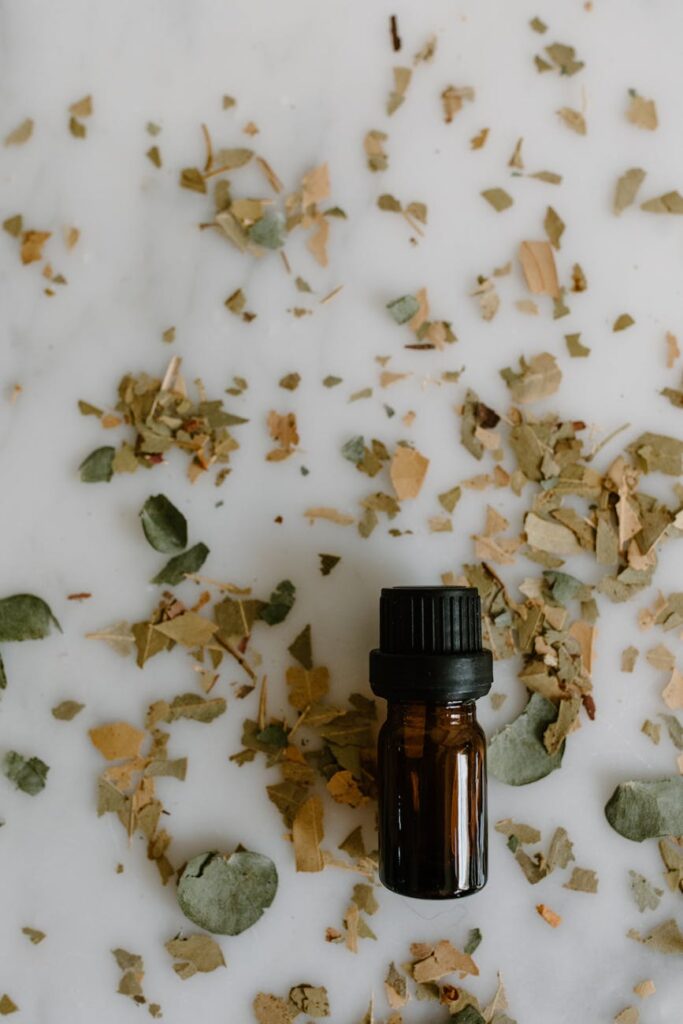
Aromatherapy Uses of Botanical Ingredients – Rosehip Oil
Introduction
Aromatherapy, the practice of using essential oils and other aromatic compounds for holistic well-being, has gained widespread popularity in recent years. Among the myriad of botanical ingredients utilized in this field, rosehip oil has emerged as a prominent player. Derived from the seeds of the wild rose plant, rosehip oil is lauded for its rich nutrient profile and versatile applications in both beauty and wellness. This article delves into the characteristics, benefits, and uses of rosehip oil within the realm of aromatherapy.
What Is Botanical Ingredients – Rosehip Oil?
Rosehip oil is extracted from the seeds of the Rosa canina, commonly known as the dog rose, and is predominantly harvested in regions such as Chile, Argentina, and parts of Europe. The oil is cold-pressed, a method that preserves its natural properties and ensures a high-quality product.
The oil exhibits a light, non-greasy texture with a characteristic yellow-orange hue. It is rich in essential fatty acids, antioxidants, and vitamins, notably vitamin C, which contribute to its extensive beneficial properties.
Key Benefits and Properties
Rosehip oil is celebrated for its numerous benefits, making it an invaluable ingredient in both aromatherapy and skincare. Some of its key components include:
1. Essential Fatty Acids: Primarily linoleic acid (omega-6) and alpha-linolenic acid (omega-3), these fatty acids promote skin hydration and barrier repair.
2. Vitamins: High levels of vitamin A (retinol) and vitamin C support skin regeneration and can enhance collagen production, making the oil a popular choice for anti-aging formulations.
3. Antioxidants: The oil contains various antioxidants that combat oxidative stress, thereby promoting overall skin health and resilience.
4. Anti-inflammatory Properties: Rosehip oil can help reduce inflammation and redness, making it suitable for sensitive or irritated skin.
5. Moisturizing: Its emollient properties make it an effective moisturizer, capable of softening and hydrating the skin.
Common Uses
Rosehip oil is widely used in various applications, including:
- Skincare: Due to its moisturizing and regenerative properties, it is commonly found in serums, creams, and oils designed for facial care.
- Haircare: The oil can help to nourish dry or damaged hair, adding shine and manageability.
- Body Care: It is often included in lotions and creams for its hydrating effects on the body.
- Massage: The oil’s lightweight consistency makes it suitable as a carrier oil in massage blends.
- Aromatherapy: When combined with essential oils, rosehip oil can enhance the therapeutic effects of aromatherapy practices.
- Patch Testing: Before using rosehip oil on a larger area, a patch test is advisable to check for potential allergic reactions. Apply a small amount to a discreet area and observe for any adverse reactions over 24 hours.
- Dilution: As with any carrier oil, rosehip oil should be diluted with a suitable essential oil before topical application, particularly for sensitive skin.
- Pregnancy and Nursing: While rosehip oil is generally safe, it is best to consult with a healthcare professional if pregnant or nursing.
- Storage: Ensure that rosehip oil is stored properly to maintain its properties.
- Containers: Store rosehip oil in dark glass bottles to protect it from light, which can degrade its quality over time.
- Temperature: Keep the oil in a cool, dark place, away from direct sunlight and heat sources.
- Shelf Life: Generally, rosehip oil has a shelf life of approximately 6 to 12 months, depending on the extraction method and storage conditions. Always check for signs of rancidity, such as off odors or changes in color.
Aromatherapy Applications
In aromatherapy, rosehip oil is typically used as a carrier oil—meaning it is blended with essential oils to dilute their strength and enhance their absorption into the skin. Here are some common ways to incorporate rosehip oil in aromatherapy:
1. Blending with Essential Oils: Rosehip oil pairs well with essential oils such as lavender, frankincense, and geranium. These combinations can create soothing blends for topical application, promoting relaxation and skin health.
2. Facial Serums: When mixed with essential oils known for their skin benefits, rosehip oil can become an effective facial serum. A few drops of essential oils like tea tree or chamomile can be added for targeted skin benefits.
3. Massage Oil: As a carrier oil, rosehip oil can be used in massage blends to promote relaxation and rejuvenation. Its absorption properties allow it to penetrate the skin effectively, delivering beneficial nutrients.
4. Bath Oils: Adding a few drops of rosehip oil to a warm bath can create a soothing experience, providing both relaxation and skin nourishment.
5. Diffusion: Although rosehip oil is not typically used in diffusers, it can be blended with essential oils suitable for diffusion to enhance the aromatic experience.
Safety Considerations
While rosehip oil is generally considered safe for topical application, there are several important safety considerations to keep in mind:
Storage and Shelf Life
Proper storage is crucial for maintaining the quality of rosehip oil. Here are some tips:
Frequently Asked Questions
1. Can rosehip oil be used on all skin types?
Yes, rosehip oil is suitable for a variety of skin types, including dry, oily, and sensitive skin. Its lightweight nature makes it versatile, though those with specific skin concerns should consider patch testing first.
2. Is rosehip oil non-comedogenic?
Rosehip oil is generally considered non-comedogenic, meaning it is unlikely to clog pores. However, individual reactions can vary.
3. How can I incorporate rosehip oil into my skincare routine?
You can incorporate rosehip oil by using it as a standalone moisturizer, mixing it into your regular creams, or adding it to serums for enhanced benefits.
4. Can I use rosehip oil on my hair?
Yes, rosehip oil can be beneficial for hair, providing moisture and nourishment. It can be applied directly to the ends of the hair or mixed into your conditioner.
5. How often should I use rosehip oil?
Usage frequency can depend on individual skin needs, but applying rosehip oil once or twice daily is common for optimal benefits.
Conclusion
Rosehip oil stands out as a remarkable botanical ingredient in the world of aromatherapy and holistic wellness. Its extensive benefits, versatile applications, and rich nutrient profile make it a valuable addition to a variety of formulations. Whether used for skincare, haircare, or as a carrier oil in aromatic blends, rosehip oil has earned its place as a beloved ingredient in natural health practices. As with all botanical ingredients, understanding its properties and safe usage will enhance your experience and outcomes, making it a cherished part of your aromatherapy journey.