
Aromatherapy Uses of Botanical Ingredients – Sea Buckthorn Oil
Introduction
Aromatherapy is a holistic healing practice that utilizes the natural properties of plant extracts, particularly essential oils, to promote physical, emotional, and spiritual well-being. Among the myriad of botanical ingredients used in this practice, Sea Buckthorn Oil stands out for its rich nutritional profile and versatile applications. This article delves into the nature of Sea Buckthorn Oil, exploring its benefits, common uses, and safety considerations, while also providing insights into its role in aromatherapy.
What Is Botanical Ingredients – Sea Buckthorn Oil?
Sea Buckthorn Oil is derived from the berries and seeds of the Sea Buckthorn plant (Hippophae rhamnoides), a deciduous shrub found primarily in Europe and Asia. The plant thrives in harsh environments, often near coastal areas, demonstrating remarkable resilience. The oil extracted from the berries is particularly valued for its vibrant orange hue, attributed to its high content of carotenoids, while the seed oil is lighter and more yellow in color.
The extraction process typically involves cold pressing, ensuring that the oil retains its beneficial properties. Sea Buckthorn Oil is rich in vitamins, fatty acids, and antioxidants, making it a sought-after ingredient in cosmetics, skincare, and aromatherapy.
Key Benefits and Properties
Sea Buckthorn Oil is celebrated for its diverse array of beneficial properties:
Nutritional Profile
- Vitamins: Rich in vitamins C, E, A, and K, Sea Buckthorn Oil provides essential nutrients that support skin health and overall vitality.
- Fatty Acids: It contains omega-3, omega-6, omega-7, and omega-9 fatty acids, which play a crucial role in maintaining skin integrity and hydration.
- Antioxidants: The oil is packed with antioxidants, such as flavonoids and polyphenols, which help combat oxidative stress and inflammation.
- Moisturizers: It is often incorporated into creams and lotions for its hydrating effects.
- Serums: Concentrated formulations leverage its regenerative properties to target specific skin concerns.
- Balms: Used in soothing balms, it helps alleviate minor skin irritations and promotes healing.
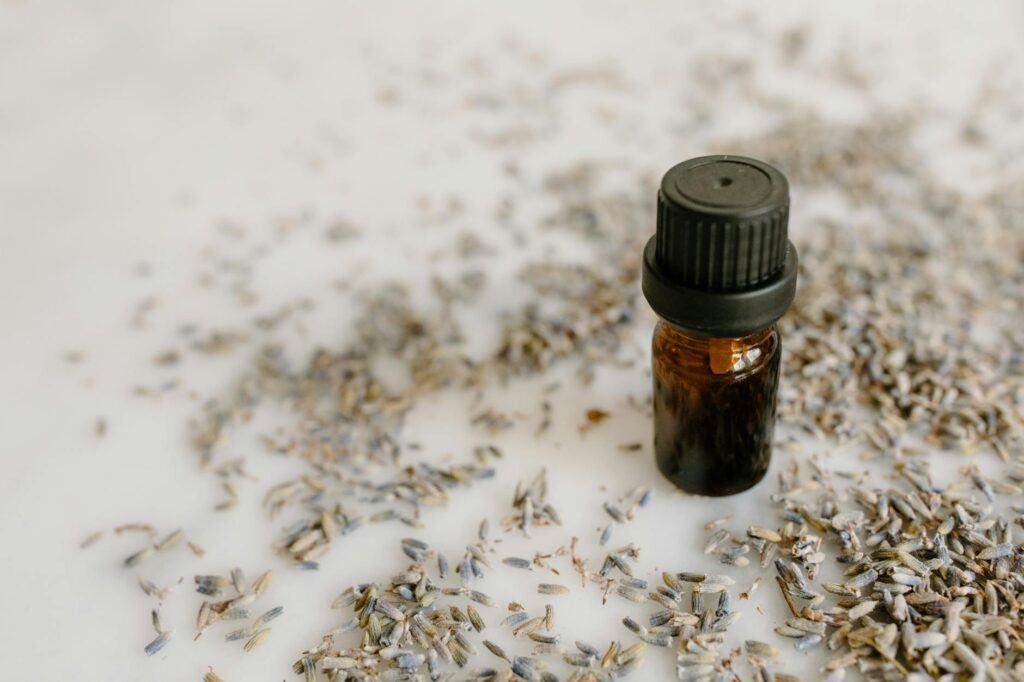
- Container: Store the oil in a dark glass bottle to protect it from light degradation.
- Temperature: Keep the oil in a cool environment, ideally below 25°C (77°F).
- Shelf Life: When stored correctly, Sea Buckthorn Oil can last for up to two years. However, it is advisable to check for any changes in color, odor, or consistency before use.
Skin Health
Sea Buckthorn Oil is renowned for its skin-rejuvenating properties. It promotes skin hydration, elasticity, and regeneration, making it beneficial for various skin types, including dry, sensitive, and aging skin.
Anti-Inflammatory Properties
The oil possesses anti-inflammatory qualities, which may help alleviate skin irritations and conditions such as eczema and psoriasis.
Immune Support
Rich in vitamin C and antioxidants, Sea Buckthorn Oil may bolster the immune system, helping the body defend against external pathogens.
Common Uses
Sea Buckthorn Oil is utilized in various applications due to its beneficial properties. Here are some of the most common uses:
Skin Care
Hair Care
Sea Buckthorn Oil is sometimes added to shampoos and conditioners for its nourishing properties, promoting shiny and healthy hair.
Culinary Uses
While less common in aromatherapy, Sea Buckthorn Oil can also be consumed as a dietary supplement, enriching smoothies, salads, and other dishes with its unique flavor and nutritional benefits.
Aromatherapy Applications
In the realm of aromatherapy, Sea Buckthorn Oil can be used in various ways to enhance well-being. Here are some popular applications:
Diffusion
When diffused, Sea Buckthorn Oil can create a warm, inviting atmosphere, promoting relaxation and emotional balance. Its sweet, fruity aroma may help uplift the mood and reduce feelings of anxiety.
Topical Application
When blended with carrier oils, Sea Buckthorn Oil can be applied topically for its skin benefits. It is often included in massage oils to enhance the soothing experience and nourish the skin simultaneously.
Bathing
Adding Sea Buckthorn Oil to a warm bath can enhance relaxation and rejuvenation. The oil may also help soothe dry or irritated skin, making it a valuable addition to bath rituals.
Inhalation
For a quick mood boost, inhaling the oil directly or using it in steam inhalation can provide an uplifting effect, enhancing mental clarity and focus.
Safety Considerations
While Sea Buckthorn Oil is generally considered safe when used appropriately, there are several safety considerations to keep in mind:
Skin Sensitivity
As with any essential oil, it is advisable to conduct a patch test before applying Sea Buckthorn Oil topically. Some individuals may experience allergic reactions or skin sensitivities.
Dilution
To minimize the risk of irritation, Sea Buckthorn Oil should be diluted with a carrier oil before topical application. Common carrier oils include jojoba, sweet almond, and coconut oil.
Pregnant and Nursing Women
Consultation with a healthcare professional is recommended for pregnant or nursing women before using Sea Buckthorn Oil, as its effects during these periods are not well-documented.
Storage
To maintain its quality, Sea Buckthorn Oil should be stored in a cool, dark place away from direct sunlight and heat sources.
Storage and Shelf Life
Proper storage is essential to prolong the shelf life of Sea Buckthorn Oil. Here are some tips:
Frequently Asked Questions
1. Can Sea Buckthorn Oil be used for all skin types?
Yes, Sea Buckthorn Oil is generally suitable for all skin types. Its moisturizing and soothing properties make it beneficial for dry, oily, sensitive, and aging skin.
2. Is Sea Buckthorn Oil safe for pregnant women?
While Sea Buckthorn Oil is considered safe for topical use, it is advisable for pregnant women to consult a healthcare provider before using it, as individual circumstances may vary.
3. How can I incorporate Sea Buckthorn Oil into my skincare routine?
You can add a few drops of Sea Buckthorn Oil to your usual moisturizer or serum. Alternatively, it can be used in DIY skincare formulations or mixed with carrier oils for targeted application.
4. Is there a difference between Sea Buckthorn Berry Oil and Sea Buckthorn Seed Oil?
Yes, Sea Buckthorn Berry Oil is richer in vitamins and carotenoids, providing different benefits compared to Sea Buckthorn Seed Oil, which is higher in fatty acids. Both oils can be used complementarily in skincare.
5. Can Sea Buckthorn Oil be ingested?
While Sea Buckthorn Oil can be consumed in small amounts, it is essential to consult a healthcare professional before adding it to your diet, particularly if you have any existing health conditions or are on medication.
Conclusion
Sea Buckthorn Oil is a remarkable botanical ingredient with a broad spectrum of benefits and applications in aromatherapy and skincare. Its rich nutritional profile, combined with its versatility, makes it a valuable addition to holistic wellness practices. By understanding its properties and potential applications, individuals can harness the power of Sea Buckthorn Oil to enhance their well-being and embrace the natural healing qualities of this extraordinary plant.