
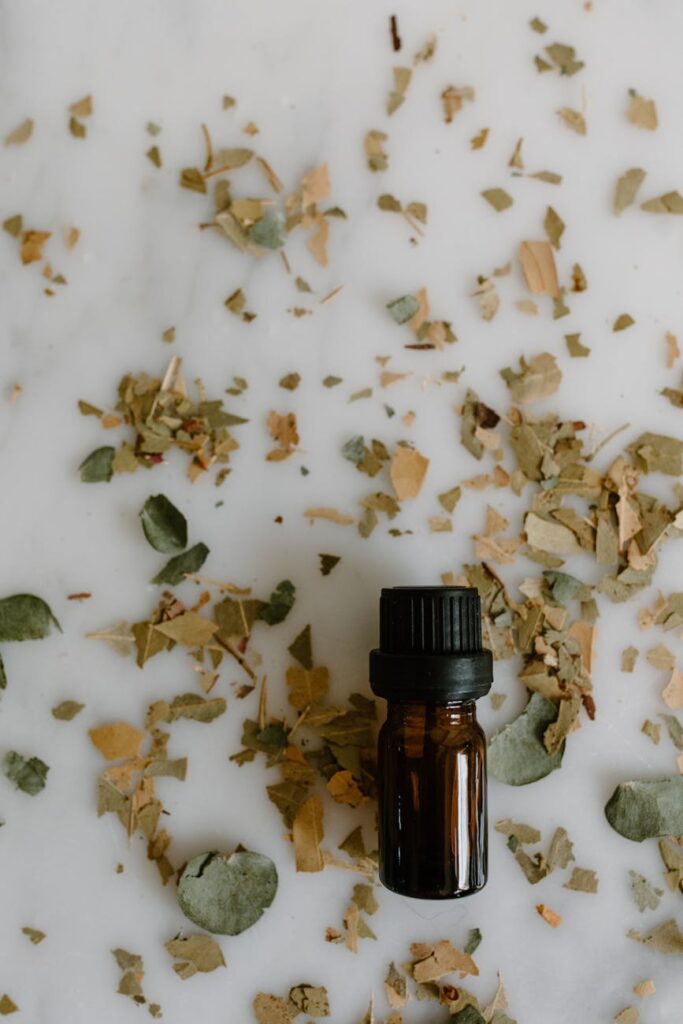
Aromatherapy Uses of Burdock Root Extract
Introduction
Aromatherapy has gained considerable attention in recent years, with practitioners and enthusiasts alike exploring various natural substances for their therapeutic properties. Among these substances, burdock root extract stands out due to its rich history in traditional medicine and its various applications in aromatherapy. This article aims to provide an in-depth look at burdock root extract, its benefits, uses, and safety considerations, particularly in the context of aromatherapy.
What Is Burdock Root Extract?
Burdock (Arctium lappa) is a biennial plant belonging to the Asteraceae family, native to Europe and Asia but now widespread in other parts of the world. The plant is characterized by its large leaves and purple thistle-like flowers. The root of the burdock plant is the part commonly used for extraction.
Burdock root extract is obtained through various methods, including steam distillation, cold pressing, or solvent extraction. The resulting extract contains a variety of bioactive compounds, such as flavonoids, tannins, and inulin, which contribute to its potential health benefits and aromatic qualities.
Key Benefits and Properties
Burdock root extract is often praised for its numerous health benefits, although it is essential to note that research is ongoing, and conclusive clinical evidence is still developing. Some of the key properties associated with burdock root extract include:
1. Antioxidant Properties: Burdock root is rich in antioxidants, which help combat oxidative stress in the body. This property may contribute to overall health and wellness.
2. Anti-inflammatory Effects: Some studies have indicated that burdock root may have anti-inflammatory effects, making it a valuable addition to various therapeutic formulations.
3. Skin Health: Traditionally, burdock root has been used to promote skin health. Its potential antimicrobial and anti-inflammatory properties may support skin conditions.
4. Detoxification Support: Burdock root is thought to promote detoxification processes in the body, particularly in the liver and kidneys.
5. Digestive Health: The inulin content in burdock root may aid digestive health by acting as a prebiotic, supporting gut flora.
Common Uses
Burdock root extract is used in various forms, including tinctures, capsules, teas, and topical preparations. Some common uses include:
- Herbal Remedies: Burdock root is often incorporated into herbal teas and tinctures for its purported health benefits.
- Cosmetic Products: Due to its skin-nourishing properties, burdock root extract is frequently found in skincare products aimed at improving skin texture and appearance.
- Culinary Uses: In some cultures, burdock root is consumed as a vegetable, particularly in Asian cuisine, where it is valued for its unique flavor and nutritional benefits.
- Allergic Reactions: Some individuals may be allergic to burdock root or related plants. It is advisable to perform a patch test when using it topically for the first time.
- Pregnancy and Nursing: Pregnant or nursing individuals should consult a healthcare provider before using burdock root extract, as its effects during these periods are not well-studied.
- Drug Interactions: Burdock root may interact with certain medications, particularly those affecting blood sugar levels or diuretics. Consult with a healthcare professional before combining burdock root with other treatments.
- Dosage: As with any extract or supplement, it is essential to adhere to recommended dosages. Overuse may lead to adverse effects.
- Cool, Dark Place: Store the extract in a cool, dark place away from direct sunlight, which can degrade its quality.
- Sealed Container: Ensure that the container is tightly sealed to prevent exposure to air and moisture, which can lead to spoilage.
- Shelf Life: The shelf life of burdock root extract can vary depending on the extraction method and storage conditions. Generally, it is advisable to use the extract within one to two years for optimal effectiveness.
Aromatherapy Applications
In the realm of aromatherapy, burdock root extract can be utilized in various ways. Here are some applications to consider:
1. Diffusion
Burdock root extract can be used in a diffuser to disperse its aroma throughout a room. The earthy, slightly sweet scent is believed to promote a calming atmosphere, making it suitable for relaxation and meditation practices.
2. Massage Oil
When blended with carrier oils, burdock root extract can be incorporated into massage oils. The combination of its aromatic profile and potential anti-inflammatory properties may enhance the massage experience, promoting relaxation and relieving muscle tension.
3. Skin Care
Burdock root extract can be added to lotions or creams as part of a skincare regimen. Its reputed skin benefits, such as promoting clarity and reducing irritation, make it a valuable component in cosmetic formulations.
4. Bath Soaks
Adding burdock root extract to bath products or soaks can create a relaxing and aromatic bathing experience. The soothing properties may enhance the overall bath experience, providing a sense of well-being.
5. Inhalation
Direct inhalation of burdock root extract may be beneficial for those looking to experience its aroma’s grounding qualities. This can be done through steam inhalation or simply by placing a few drops on a tissue or handkerchief.
Safety Considerations
While burdock root extract is generally considered safe for most individuals when used appropriately, there are several safety considerations to keep in mind:
Storage and Shelf Life
To maintain the potency and quality of burdock root extract, proper storage is essential:
Frequently Asked Questions
1. Can I use burdock root extract daily?
While many people use burdock root extract regularly, it is essential to consult a healthcare professional to determine what is appropriate for your individual needs.
2. Is burdock root safe for children?
Burdock root is generally considered safe for children in moderate amounts, but it is best to consult a pediatrician before introducing it into a child’s routine.
3. How do I incorporate burdock root extract into my skincare routine?
Burdock root extract can be mixed with a carrier oil or added to your favorite skincare products. Always conduct a patch test before widespread application.
4. What does burdock root smell like?
Burdock root has an earthy, slightly sweet aroma, which can contribute to a calming atmosphere when used in aromatherapy.
5. Where can I purchase high-quality burdock root extract?
High-quality burdock root extract can be found at health food stores, herbal shops, and online retailers. Always check for reputable brands that provide third-party testing for quality assurance.
Conclusion
Burdock root extract is a versatile and valuable addition to the world of aromatherapy, offering a range of potential benefits and applications. Its rich history and various uses in traditional practices underscore its significance in contemporary wellness. As with any natural product, understanding its properties and adhering to safety considerations will enable individuals to utilize burdock root extract effectively and responsibly.