
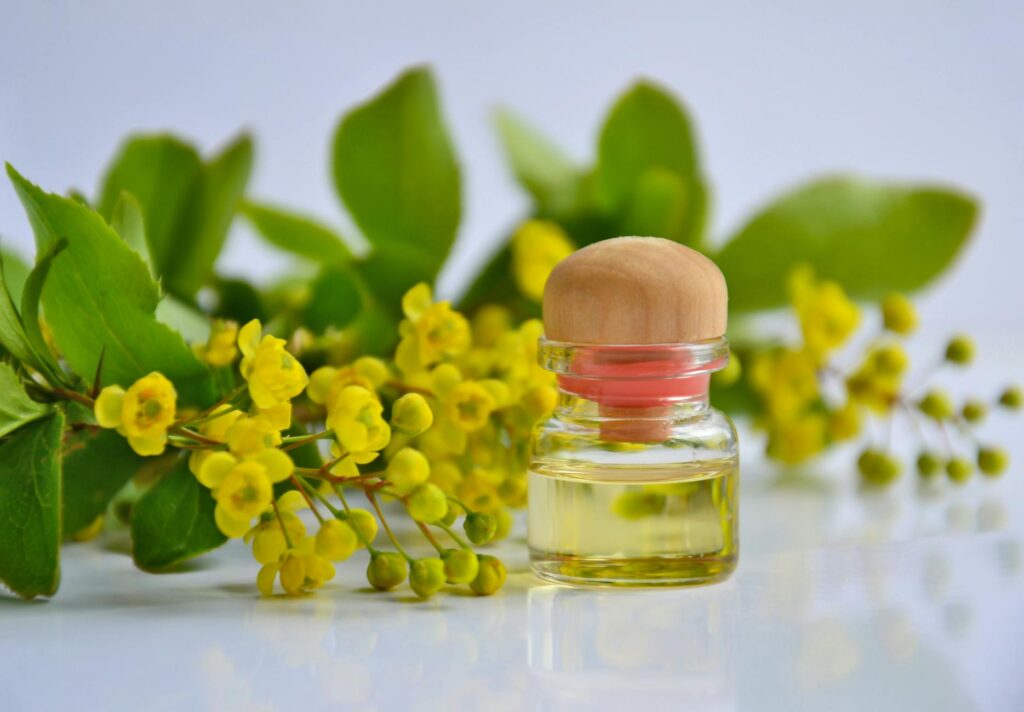
Aromatherapy Uses of Cacay Oil
Introduction
Aromatherapy, the practice of using essential oils from plants for therapeutic purposes, has gained significant attention in recent years for its potential benefits in enhancing well-being. One lesser-known yet increasingly popular oil is cacay oil. Extracted from the seeds of the Cacay tree (Caryodendron orinocense), native to the Amazon rainforest, this oil has garnered attention for its unique properties and beneficial uses in aromatherapy. This article explores cacay oil, its key benefits and properties, common uses, and its applications in aromatherapy.
What Is Cacay Oil?
Cacay oil is derived from the seeds of the cacay tree, which thrives in the lush ecosystems of Colombia and other parts of South America. The oil is extracted through cold-pressing, a method that preserves the oil’s natural properties without the use of heat or chemicals. Cacay oil is characterized by its light texture and nutty aroma, making it a versatile ingredient in both cosmetic formulations and aromatherapy practices.
Rich in essential fatty acids, vitamins, and antioxidants, cacay oil has been used traditionally by indigenous communities for its nourishing and restorative properties. This oil has gained recognition in the beauty industry for its moisturizing and anti-aging effects, but its benefits extend well beyond skincare.
Key Benefits and Properties
Cacay oil is celebrated for a number of beneficial properties, including:
1. Rich in Nutrients
Cacay oil is abundant in vitamins A, E, and F, which are known for their regenerative and protective qualities. Vitamin A supports skin cell turnover, while vitamin E is a powerful antioxidant that helps combat free radicals.
2. High in Essential Fatty Acids
This oil contains a high concentration of linoleic acid (omega-6) and oleic acid (omega-9), which help maintain the skin’s moisture barrier and promote hydration. These fatty acids play a crucial role in skin health, providing nourishment and enhancing elasticity.
3. Antioxidant Properties
The antioxidants present in cacay oil help to protect the skin from environmental stressors and signs of aging. By neutralizing free radicals, these compounds can help maintain a youthful appearance.
4. Anti-inflammatory Effects
Cacay oil may have anti-inflammatory properties that can soothe irritated skin and reduce redness. This makes it suitable for various skin types, including sensitive skin.
Common Uses
Cacay oil has a range of applications, both in cosmetic formulations and in everyday skincare routines. Some common uses include:
1. Skin Moisturizer
Due to its light texture and high fatty acid content, cacay oil is an excellent moisturizer for the skin. It can be applied directly to the face and body to hydrate and soften the skin.
2. Anti-Aging Treatment
The nutrient profile of cacay oil makes it a popular choice for anti-aging products. Its ability to promote skin elasticity and cell regeneration can help reduce the appearance of fine lines and wrinkles.
3. Hair Care
Cacay oil can be used to condition and nourish hair, promoting shine and reducing frizz. It can be applied as a leave-in treatment or added to hair products for enhanced benefits.
4. Nail and Cuticle Care
The moisturizing properties of cacay oil make it an ideal choice for nourishing nails and cuticles, helping to prevent dryness and brittleness.
Aromatherapy Applications
In aromatherapy, cacay oil can be utilized in various ways to enhance emotional and physical well-being. Here are some common applications:
1. Diffusion
Cacay oil can be added to a diffuser to create a calming atmosphere. Its subtle nutty aroma promotes relaxation and can be blended with other essential oils such as lavender or bergamot for added benefits.
2. Massage Oil
When mixed with a carrier oil, cacay oil makes an excellent base for massage blends. The soothing properties of cacay oil can help ease tension and promote relaxation during a massage session.
3. Skin Support
Incorporating cacay oil into skincare routines can enhance the benefits of aromatherapy. It can be added to homemade skincare products, such as creams and serums, to boost hydration and skin health.
4. Bath Soaks
Adding cacay oil to bathwater can create a luxurious and nourishing soak. The oil helps to moisturize the skin while providing a relaxing aromatic experience.
5. Inhalation
Cacay oil can be used for inhalation to promote a sense of calm and well-being. A few drops can be placed on a tissue or cotton ball and inhaled deeply.
Safety Considerations
While cacay oil is generally considered safe for topical use and aromatherapy, it is important to keep the following safety considerations in mind:
1. Patch Test
Always perform a patch test before using cacay oil topically. Apply a small amount to a discreet area of skin and wait 24 hours to check for any adverse reactions.
2. Dilution
Cacay oil should be diluted with a carrier oil before applying it to the skin, especially for those with sensitive skin or allergies. A typical dilution ratio is 2-3 drops of cacay oil per teaspoon of carrier oil.
3. Consult a Professional
If you are pregnant, nursing, or have any underlying medical conditions, consult a healthcare professional before using cacay oil or any essential oil.
Storage and Shelf Life
To maintain the quality of cacay oil, proper storage is essential. Here are some tips:
1. Keep It Cool and Dark
Store cacay oil in a cool, dark place away from direct sunlight and heat sources. This helps to preserve its integrity and prevent oxidation.
2. Use Airtight Containers
Always use airtight containers to minimize exposure to air, which can degrade the oil over time. Dark glass bottles are ideal for preserving essential oils.
3. Shelf Life
Cacay oil has a shelf life of approximately 12-24 months when stored correctly. Regularly check for any changes in color, smell, or consistency, which may indicate that the oil has gone rancid.
Frequently Asked Questions
1. Can cacay oil be used on all skin types?
Yes, cacay oil is generally suitable for all skin types, including sensitive skin. However, it is always advisable to perform a patch test first.
2. How does cacay oil compare to other oils?
Cacay oil is often compared to other popular oils like argan and jojoba. While each oil has unique properties, cacay oil stands out due to its high concentration of vitamins A and E, as well as its lighter texture.
3. Is cacay oil safe for pregnant women?
While cacay oil is generally considered safe, it is advisable for pregnant women to consult a healthcare professional before use.
4. Can cacay oil be ingested?
Cacay oil is primarily intended for topical and aromatic use. Ingesting essential oils is not generally recommended unless under the supervision of a qualified healthcare provider.
5. How can I incorporate cacay oil into my skincare routine?
Cacay oil can be used as a standalone moisturizer, added to creams and serums, or combined with other oils for enhanced benefits.
Conclusion
Cacay oil is an exceptional addition to the world of aromatherapy and skincare, offering a range of benefits from hydration to anti-aging properties. Its versatility makes it suitable for various applications, whether in diffusion, massage, or skincare treatments. As with any essential oil, it’s essential to use cacay oil responsibly, considering safety precautions and storage guidelines. By incorporating cacay oil into your aromatherapy practices, you can harness its natural properties to support your overall well-being.