
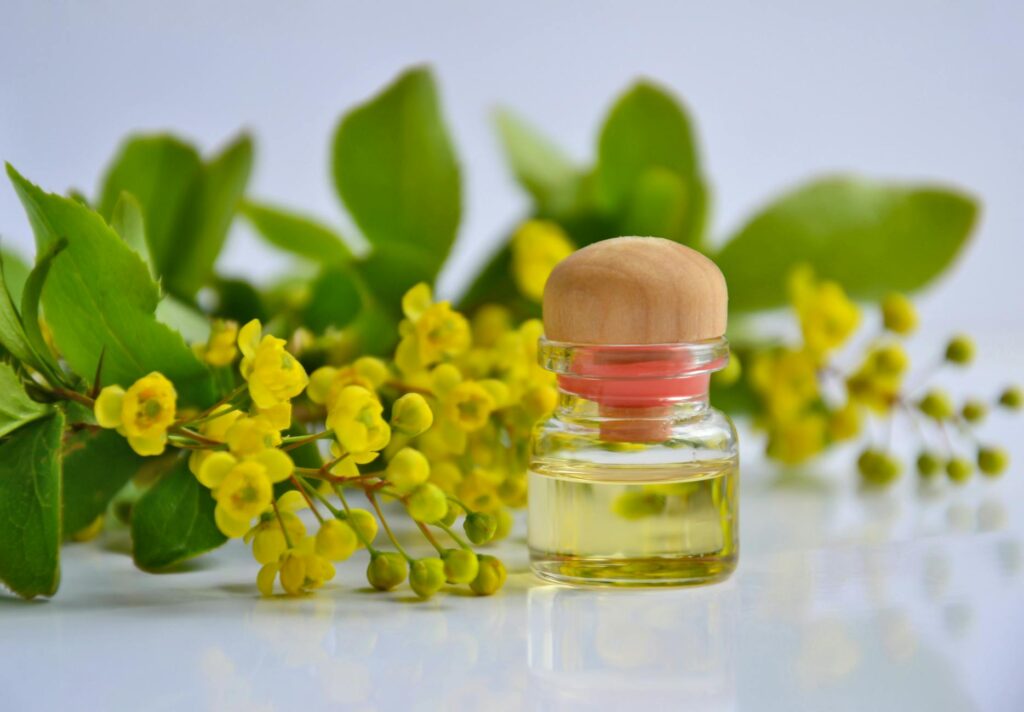
Aromatherapy Uses of Camellia Seed Oil
Introduction
Aromatherapy has long been celebrated for its ability to promote well-being and enhance emotional health through the use of essential oils and carrier oils. One such carrier oil that has gained popularity in recent years is camellia seed oil. Extracted from the seeds of the Camellia plant, this oil is not only a staple in traditional beauty regimens but also has various applications in aromatherapy. This article explores the characteristics, benefits, and uses of camellia seed oil in the context of aromatherapy.
What Is Camellia Seed Oil?
Camellia seed oil is derived from the seeds of the Camellia plant, primarily Camellia oleifera and Camellia sinensis. These plants are native to East Asia, with Camellia sinensis being the source of green tea. The oil is cold-pressed from the seeds, resulting in a light, golden liquid that is rich in fatty acids, antioxidants, and vitamins.
The oil has a mild, pleasant aroma, making it a versatile choice for blending with essential oils. It is known for its ability to absorb quickly into the skin without leaving a greasy residue, which enhances its appeal in both skincare and aromatherapy applications.
Key Benefits and Properties
Camellia seed oil offers a variety of beneficial properties that make it suitable for aromatherapy:
1. Moisturizing: Rich in oleic acid and other fatty acids, camellia seed oil provides excellent hydration for the skin, making it a popular choice for massage oils and skincare formulations.
2. Antioxidant Properties: The oil contains antioxidants, such as vitamin E, which help combat oxidative stress and promote skin health.
3. Anti-Inflammatory: Camellia seed oil has anti-inflammatory properties that can soothe irritated skin and reduce redness.
4. Emollient Qualities: Its emollient nature allows it to soften and smooth the skin, making it an excellent carrier oil for essential oils in aromatherapy.
5. Antimicrobial Effects: Preliminary studies suggest that camellia seed oil may have antimicrobial properties, making it beneficial for maintaining skin health.
Common Uses
Camellia seed oil is known for its versatility and is commonly used in various applications, including:
- Skincare: Used in moisturizers, serums, and facial oils, it helps hydrate and nourish the skin.
- Haircare: Camellia seed oil is often found in hair treatments and conditioners, promoting shine and reducing frizz.
- Cooking: It is also used as a culinary oil in Asian cuisine due to its light flavor and high smoke point.
- Massage: Due to its smooth texture, it is often incorporated into massage oils.
- Lavender: Offers calming properties for relaxation and stress relief.
- Peppermint: Provides an invigorating aroma that can enhance focus and energy.
- Eucalyptus: Known for its respiratory benefits, it can create a refreshing atmosphere.
- Rosemary: Often used to promote mental clarity and concentration.
- Cool, Dark Place: Store the oil in a cool, dark place away from direct sunlight to prevent oxidation.
- Tightly Sealed: Keep the oil in its original container or a dark glass bottle with a tight seal to minimize exposure to air.
- Shelf Life: When stored properly, camellia seed oil can last up to 2 years. However, always check for changes in smell or appearance before use.
Aromatherapy Applications
In aromatherapy, camellia seed oil serves as a carrier oil, helping to dilute essential oils for safe topical application. Here are some common applications:
Blending with Essential Oils
Camellia seed oil blends well with a variety of essential oils, including:
Massage Therapy
Due to its emollient properties, camellia seed oil is an excellent choice for massage therapy. It glides smoothly over the skin, allowing for easier manipulation during a massage while providing hydration.
Diffusion
While camellia seed oil is not typically used for diffusion, it can be mixed with essential oils in a diffuser blend to carry the therapeutic properties of the essential oils into the air. Its subtle aroma can enhance the overall scent profile without overpowering the essential oils.
Skin Care Formulations
In aromatherapy, camellia seed oil is often incorporated into skincare formulations such as facial oils and serums. Its ability to hydrate and nourish makes it an ideal base for essential oils targeting various skin concerns.
Safety Considerations
While camellia seed oil is generally considered safe for most individuals, there are some precautions to keep in mind:
1. Patch Test: Always perform a patch test before applying the oil to a larger area of skin to check for any allergic reactions.
2. Dilution: When using camellia seed oil as a carrier oil for essential oils, adhere to recommended dilution ratios to ensure safety and effectiveness.
3. Consult Professionals: If you are pregnant, nursing, or have specific health concerns, consult a qualified professional before incorporating new oils into your routine.
Storage and Shelf Life
Proper storage of camellia seed oil is essential to maintain its quality and extend its shelf life. Here are some tips:
Frequently Asked Questions
1. Can camellia seed oil be used on all skin types?
Yes, camellia seed oil is generally suitable for all skin types, including sensitive skin. Its lightweight texture allows it to absorb easily without clogging pores.
2. Is camellia seed oil comedogenic?
Camellia seed oil has a low comedogenic rating, which means it is unlikely to clog pores, making it a suitable option for acne-prone skin.
3. How can I incorporate camellia seed oil into my skincare routine?
You can add a few drops of camellia seed oil to your moisturizer, use it as a facial oil, or combine it with essential oils for a nourishing serum.
4. Can camellia seed oil be ingested?
While camellia seed oil is used in culinary applications, it is advisable to consult with a healthcare professional before ingesting any oil for therapeutic purposes.
5. How does camellia seed oil compare to other carrier oils?
Camellia seed oil is often favored for its rapid absorption and lightweight feel compared to heavier oils like coconut or olive oil. It offers a unique profile of fatty acids and antioxidants, making it a valuable addition to any skincare or aromatherapy routine.
Conclusion
Camellia seed oil is a remarkable carrier oil with a wide range of benefits and applications in aromatherapy. Its moisturizing properties, antioxidant content, and compatibility with various essential oils make it a versatile choice for enhancing well-being. Whether used in skincare, massage therapy, or as part of a soothing aromatherapy blend, camellia seed oil can be an excellent addition to your holistic health practices. As always, ensure safe usage, and enjoy the myriad of benefits this oil has to offer.