
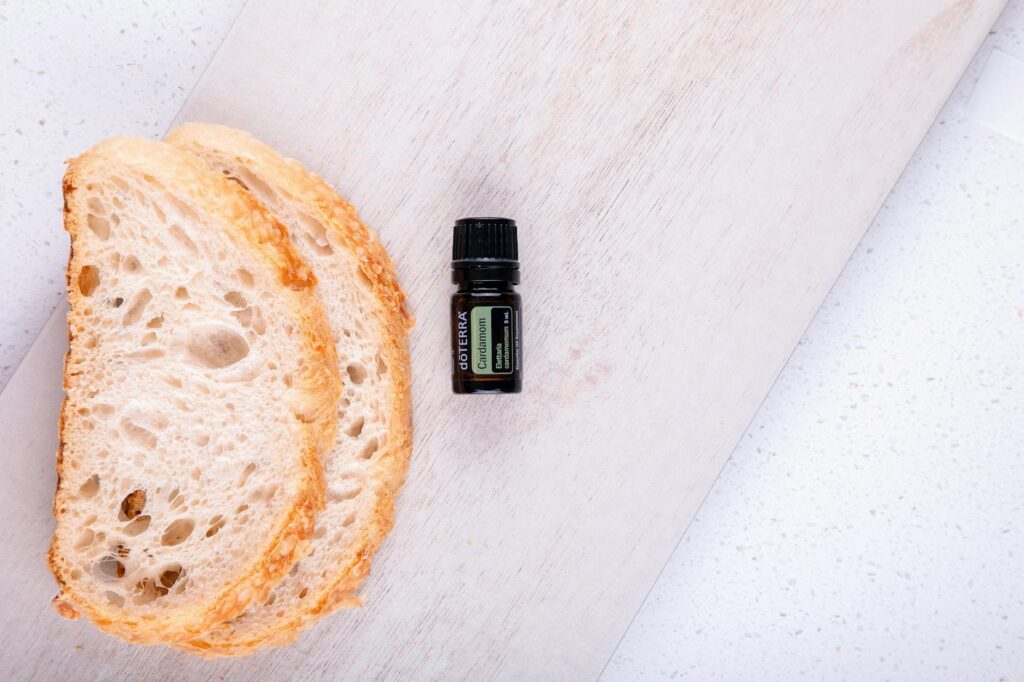
Aromatherapy Uses of Cardamom Oil Safety
Introduction
Cardamom oil, derived from the seeds of the Elettaria cardamomum plant, is a popular essential oil in the realm of aromatherapy. Known for its warm, spicy, and slightly sweet aroma, cardamom oil has been utilized for centuries in various cultures for culinary, medicinal, and therapeutic purposes. This article explores the safety aspects of cardamom oil, its benefits, common uses, and applications in aromatherapy.
What Is Cardamom Oil Safety?
Cardamom oil safety refers to the practices and precautions necessary to ensure the safe use of this essential oil. While cardamom oil is generally considered safe for most individuals when used appropriately, it is crucial to understand potential risks, contraindications, and proper usage guidelines. Essential oils, including cardamom, are highly concentrated substances that can cause adverse reactions if misused. Therefore, knowledge of safe practices is vital for those interested in aromatherapy.
Key Benefits and Properties
Cardamom oil is celebrated for several beneficial properties, making it a valuable addition to aromatherapy. Some of its key benefits include:
1. Digestive Support: Cardamom oil is often associated with digestive health. It may help alleviate bloating, gas, and other digestive discomforts.
2. Antimicrobial Properties: This essential oil possesses natural antimicrobial properties, making it effective against certain bacteria and fungi.
3. Mood Enhancement: The stimulating aroma of cardamom oil is believed to uplift the mood, reduce stress, and promote emotional well-being.
4. Respiratory Relief: Cardamom oil may assist in clearing the airways and improving respiratory function, making it a common choice during cold and flu seasons.
5. Anti-inflammatory Effects: The oil has been noted for its potential anti-inflammatory properties, which may aid in soothing muscle and joint discomfort.
Common Uses
Cardamom oil can be utilized in a variety of ways. Some common applications include:
- Aromatherapy Diffusion: Adding a few drops of cardamom oil to a diffuser allows its fragrance to fill a room, creating a calming atmosphere.
- Topical Application: When diluted with a carrier oil, cardamom oil can be applied to the skin to benefit from its soothing properties.
- Culinary Uses: Cardamom oil is sometimes used in cooking for its unique flavor profile, although it should be used sparingly.
- Bath Additive: Adding cardamom oil to bathwater can create a relaxing and aromatic experience.
- Inhalation: Directly inhaling cardamom oil from the bottle or a tissue can provide immediate benefits for mood enhancement and respiratory relief.
- Massage: When diluted in a carrier oil, cardamom oil can be used for massage, promoting relaxation and soothing sore muscles.
- Blending: Cardamom oil blends well with other essential oils, such as lavender, bergamot, or citrus oils, creating unique aromatherapy experiences.
- Tightly Sealed Container: Store cardamom oil in a dark glass bottle with a tight-sealing cap to prevent oxidation and degradation.
- Cool and Dark Environment: Keep the oil in a cool, dark place, away from direct sunlight and heat sources. A cabinet or drawer is an ideal location.
- Shelf Life: Cardamom oil has a shelf life of approximately 2-3 years when stored properly. However, always check for signs of degradation, such as changes in color, scent, or viscosity before use.
Aromatherapy Applications
In the world of aromatherapy, cardamom oil can be employed in various ways to enhance overall well-being. Some popular methods of using cardamom oil in aromatherapy include:
Safety Considerations
While cardamom oil is generally safe for many individuals, certain precautions should be observed:
1. Dilution: Always dilute cardamom oil with a suitable carrier oil before applying it to the skin. A common dilution ratio is 2-3 drops of essential oil per teaspoon of carrier oil.
2. Patch Test: Conduct a patch test by applying a small amount of diluted oil to a discreet area of skin. Wait 24 hours to check for any allergic reactions or irritation.
3. Pregnancy and Nursing: Pregnant and nursing individuals should consult with a qualified healthcare professional before using cardamom oil.
4. Medical Conditions: Those with specific medical conditions, such as allergies to spices or a history of skin sensitivity, should exercise caution and consult a healthcare professional if unsure.
5. Children: Cardamom oil should be used with caution around children. It is advisable to consult a healthcare professional before using essential oils with young ones.
6. Avoiding Ingestion: Although cardamom oil is used in culinary applications, excessive ingestion or use of undiluted oil can be harmful. Always follow recommended guidelines.
Storage and Shelf Life
Proper storage of cardamom oil is essential to maintain its quality and efficacy. Here are some key storage tips:
Frequently Asked Questions
1. Is cardamom oil safe for everyone?
While cardamom oil is generally safe for most people, individuals with specific health conditions, pregnant or nursing women, and children should consult with a healthcare professional before use.
2. Can cardamom oil be ingested?
Cardamom oil can be used in cooking in small amounts, but it should never be ingested in large quantities or used undiluted. Always follow guidelines and consult a professional if unsure.
3. How do I use cardamom oil in a diffuser?
Add 3-5 drops of cardamom oil to your diffuser, along with water as per the manufacturer’s instructions. Enjoy the uplifting aroma in your space.
4. What carrier oils are suitable for diluting cardamom oil?
Common carrier oils include coconut oil, jojoba oil, sweet almond oil, and olive oil. Choose one based on your skin type and personal preference.
5. Can cardamom oil cause skin irritation?
While cardamom oil is generally well-tolerated, it can cause irritation in some individuals. Always perform a patch test before extensive use.
6. How can I incorporate cardamom oil into my self-care routine?
You can add a few drops to your bath, use it in a massage blend, or diffuse it while meditating or practicing yoga for enhanced relaxation.
Conclusion
Cardamom oil is a versatile essential oil with a plethora of benefits, making it a valuable addition to aromatherapy practices. However, understanding the importance of safety and proper usage cannot be overstated. By following the guidelines outlined in this article, individuals can enjoy the aromatic and therapeutic advantages of cardamom oil while minimizing risks. As always, when in doubt, consulting a qualified professional can provide additional assurance for safe and effective use.