
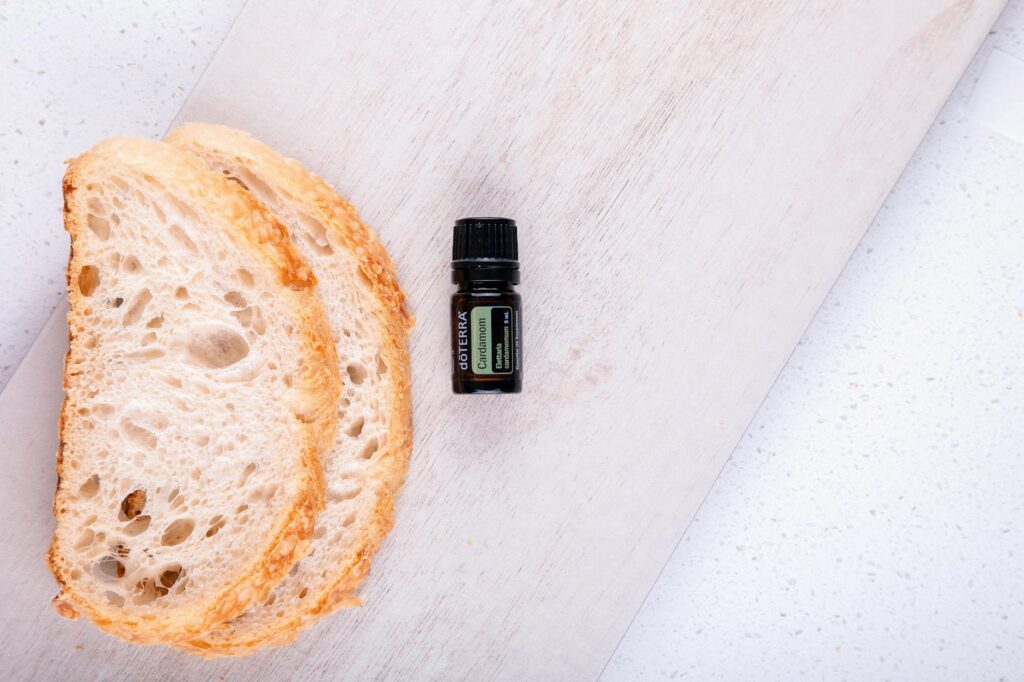
Aromatherapy Uses of Cardamom Oil
Introduction
Aromatherapy, an ancient practice rooted in the use of essential oils derived from plants, has gained significant popularity in recent years. Among the myriad of essential oils available, cardamom oil stands out for its distinctive aroma and versatile applications. This article delves into the essence of cardamom oil, exploring its properties, benefits, and various uses within the realm of aromatherapy.
What Is Cardamom Oil?
Cardamom oil is extracted from the seeds of the Elettaria cardamomum plant, commonly known as cardamom. This perennial herb is native to the Indian subcontinent and is widely cultivated in tropical regions, particularly in India, Guatemala, and Sri Lanka. The extraction process typically involves steam distillation of the seeds, yielding a pale yellow to colorless oil with a warm, spicy, and slightly sweet aroma.
Cardamom has been treasured not only as a culinary spice but also for its potential therapeutic properties. Its essential oil is characterized by its complex chemical composition, which includes components such as 1,8-cineole, alpha-terpineol, and sabinene. These constituents contribute to its aromatic profile and therapeutic potential.
Key Benefits and Properties
Cardamom oil is known for a range of beneficial properties, making it a valuable addition to aromatherapy practices. While this article does not provide medical advice, it is important to note some recognized properties of cardamom oil:
1. Antimicrobial: Cardamom oil may possess antimicrobial properties that can help inhibit the growth of certain bacteria and fungi.
2. Digestive Support: Traditionally, cardamom has been used to aid digestion. The oil may provide soothing effects for the digestive system.
3. Mood Enhancer: The uplifting scent of cardamom oil is often associated with mood enhancement, helping to alleviate feelings of stress and anxiety.
4. Respiratory Aid: The presence of 1,8-cineole in cardamom oil suggests potential benefits for respiratory conditions, making it a common choice for diffusing during colds or flu seasons.
5. Anti-inflammatory: Some studies suggest that cardamom oil may possess anti-inflammatory properties, which could be beneficial in various applications.
6. Aphrodisiac: In traditional practices, cardamom has been regarded as an aphrodisiac, potentially enhancing sexual desire and performance.
Common Uses
Cardamom oil can be employed in various ways, reflecting its versatility in both aromatherapy and daily life. Common uses include:
- Diffusion: Adding a few drops of cardamom oil to a diffuser can create a calming and uplifting atmosphere, making it an excellent choice for meditation or relaxation.
- Massage: When diluted with a carrier oil, cardamom oil can be used in massage therapy, helping to relieve tension and promote relaxation.
- Bathing: Including cardamom oil in bathwater can enhance the bathing experience, providing both aromatic enjoyment and potential therapeutic effects.
- Inhalation: Direct inhalation of cardamom oil can be beneficial for respiratory support. It can be added to a bowl of hot water for steam inhalation.
- Culinary Uses: In addition to its aromatic applications, cardamom oil can be used in cooking and baking, although caution should be exercised due to its potency.
- Dilution: Always dilute cardamom oil with a carrier oil before applying it to the skin to avoid irritation or sensitivity.
- Patch Test: Conduct a patch test on a small area of skin before widespread use to check for any allergic reactions.
- Pregnancy and Nursing: Those who are pregnant or nursing should consult with a qualified professional before using cardamom oil.
- Medical Conditions: Individuals with specific medical conditions or those taking medications should seek advice from a healthcare provider prior to using cardamom oil.
- Quality: Use high-quality, pure essential oils from reputable sources to ensure safety and efficacy.
- Container: Store cardamom oil in a dark glass bottle to protect it from light exposure, which can degrade the oil over time.
- Temperature: Keep the oil in a cool, dry place, away from direct sunlight and heat sources.
- Shelf Life: When stored properly, cardamom oil typically has a shelf life of 2 to 3 years. However, always check for changes in aroma or consistency, as these may indicate that the oil has expired.
Aromatherapy Applications
The applications of cardamom oil in aromatherapy are diverse, catering to a variety of needs and preferences. Here are several ways to incorporate cardamom oil into your aromatherapy routine:
1. Stress Relief
To create a calming environment, diffuse cardamom oil in your living space. Combine it with other soothing oils like lavender or bergamot to enhance its stress-relieving effects.
2. Mood Enhancement
Cardamom oil can uplift the spirit and promote emotional balance. For a quick mood boost, add a few drops to a personal inhaler or cotton ball and inhale deeply.
3. Respiratory Support
To ease congestion and promote clear breathing, consider adding cardamom oil to a steam inhalation routine. Combine it with eucalyptus or peppermint oil for enhanced benefits.
4. Digestive Aid
For digestive support, create a soothing abdominal massage blend by diluting cardamom oil in a carrier oil, such as sweet almond or jojoba oil, and gently massaging it onto the abdomen.
5. Aphrodisiac Blends
To create a romantic atmosphere, blend cardamom oil with sensual oils like ylang-ylang or sandalwood. Diffuse this mixture or use it in a massage oil for intimate settings.
Safety Considerations
While cardamom oil is generally considered safe for use in aromatherapy, it is essential to follow certain safety guidelines:
Storage and Shelf Life
To maintain the quality and potency of cardamom oil, proper storage is crucial. Here are some recommendations:
Frequently Asked Questions
1. Can I use cardamom oil for cooking?
Yes, cardamom oil can be used in cooking, but it is potent. A small amount is usually sufficient to impart flavor.
2. Is cardamom oil safe for children?
Cardamom oil can be used around children, but it should be well diluted and used sparingly. Always consult a pediatrician for guidance.
3. Can I mix cardamom oil with other essential oils?
Yes, cardamom oil blends well with various essential oils, including citrus oils, florals, and other spices. Experimenting with blends can create unique and beneficial aromatic experiences.
4. What is the best way to diffuse cardamom oil?
Using an essential oil diffuser is an effective way to disperse cardamom oil into the air. You may also add it to a pot of simmering water for a natural home fragrance.
5. How can I tell if cardamom oil is pure?
Look for reputable brands that provide information about their sourcing and extraction processes. Essential oils should be labeled as 100% pure without additives or synthetic fragrances.
Conclusion
Cardamom oil is a multifaceted essential oil that holds a prominent place in the world of aromatherapy. Its rich aroma and potential benefits make it a valuable addition to any essential oil collection. Whether used for stress relief, mood enhancement, or respiratory support, cardamom oil offers a range of applications that can enrich daily life. By adhering to safety considerations and proper storage practices, individuals can safely explore the therapeutic potential of this remarkable oil.