
Aromatherapy Uses of Carrot Seed Oil
Introduction
Aromatherapy has gained popularity in recent years as a holistic approach to wellness, utilizing the therapeutic properties of essential oils. Among the myriad of essential oils available, carrot seed oil stands out as a unique and versatile oil. Extracted from the seeds of the Daucus carota plant, commonly known as wild carrot or Queen Anne’s lace, carrot seed oil is celebrated for its rich aroma and numerous potential benefits. This article will delve into the characteristics, benefits, common uses, and applications of carrot seed oil in aromatherapy, providing a comprehensive overview for those interested in this fascinating essential oil.
What Is Carrot Seed Oil?
Carrot seed oil is derived from the seeds of the wild carrot plant, which is native to Europe and parts of Asia. The oil is typically extracted through steam distillation, a method that preserves the delicate compounds within the plant. Carrot seed oil is known for its warm, earthy scent, often described as slightly sweet and herbaceous. The oil is rich in carotenoids, vitamins, and antioxidants, which contribute to its various properties.
The primary constituents of carrot seed oil include alpha- and beta-carotene, lutein, and other carotenoids, as well as various aromatic compounds. These components are believed to contribute to the oil’s therapeutic effects, making it a valuable addition to the arsenal of essential oils used in aromatherapy.
Key Benefits and Properties
Carrot seed oil possesses several notable properties that contribute to its appeal in both aromatherapy and skincare. These include:
1. Antioxidant Properties: The oil is rich in antioxidants, which are compounds that help combat oxidative stress in the body. Antioxidants are known for their ability to neutralize free radicals, potentially supporting overall skin health.
2. Anti-inflammatory Effects: Carrot seed oil may have anti-inflammatory properties, which can be beneficial for soothing irritated skin and reducing redness.
3. Skin Regeneration: This oil is often praised for its potential to support skin regeneration and rejuvenation. It is believed to promote cell turnover and assist in the healing process of various skin ailments.
4. Moisturizing Qualities: The oil is known for its ability to hydrate and nourish the skin, making it a useful ingredient in skincare formulations.
5. Aromatherapy Benefits: The warm and earthy scent of carrot seed oil can promote relaxation and grounding, making it a popular choice in diffusers and massage blends.
Common Uses
Carrot seed oil is used in a variety of applications, particularly in skincare and aromatherapy. Some common uses include:
1. Skincare Products: Carrot seed oil is often incorporated into creams, lotions, and serums for its moisturizing and rejuvenating properties. It is particularly popular in formulations targeting mature or dry skin.
2. Essential Oil Blends: The oil can be blended with other essential oils to create synergistic effects in aromatherapy. It pairs well with oils like lavender, frankincense, and bergamot.
3. Massage Oils: Due to its nourishing properties, carrot seed oil is often included in massage blends, providing both aromatherapy benefits and skin hydration.
4. Natural Perfumes: The unique scent of carrot seed oil makes it an interesting addition to natural perfumes, offering a distinctive earthy note.
5. Hair Care: Some formulations for hair care products incorporate carrot seed oil for its moisturizing and nourishing qualities, promoting healthy hair and scalp.
Aromatherapy Applications
In aromatherapy, carrot seed oil can be utilized in various ways to enhance emotional and physical well-being. Here are several applications:
1. Diffusion: When added to a diffuser, carrot seed oil can fill a space with its grounding and comforting aroma. This can create a calming atmosphere, beneficial for meditation or relaxation.
2. Massage: Diluting carrot seed oil with a carrier oil, such as jojoba or sweet almond oil, makes it suitable for massage. This can provide both physical relaxation and emotional comfort.
3. Bath Additive: Adding a few drops of carrot seed oil to a warm bath can create a soothing experience. The oil’s properties can enhance relaxation while nourishing the skin.
4. Inhalation: Inhaling the scent directly from the bottle or from a cotton ball can provide an immediate sense of grounding and calm, particularly during stressful moments.
5. Skincare Routine: Incorporating carrot seed oil into a daily skincare routine can enhance the benefits of cleansing and moisturizing, promoting a healthy complexion.
Safety Considerations
While carrot seed oil is generally considered safe for most people, it is essential to take certain precautions:
1. Dilution: Always dilute carrot seed oil with a carrier oil before applying it to the skin. This helps prevent skin irritation and ensures safe usage.
2. Patch Test: Conduct a patch test before using the oil extensively. Apply a small amount of the diluted oil to a discreet area of skin to check for any adverse reactions.
3. Pregnancy and Nursing: Pregnant or nursing individuals should consult with a healthcare professional before using essential oils, including carrot seed oil.
4. Allergies: Those with allergies to carrots or related plants should exercise caution, as they may have a heightened sensitivity to carrot seed oil.
5. Storage: Proper storage is crucial to maintain the oil’s integrity. Keep it in a cool, dark place, away from direct sunlight.
Storage and Shelf Life
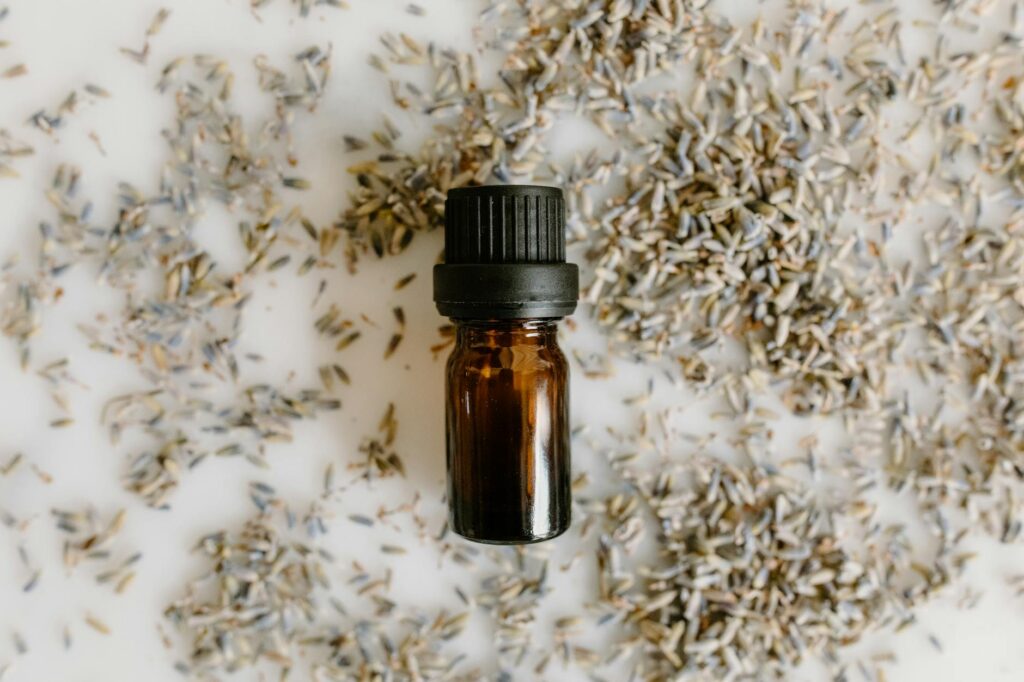
Carrot seed oil should be stored in a tightly sealed, dark glass bottle to protect it from light and air exposure. When stored correctly, carrot seed oil can have a shelf life of 2 to 3 years. It is important to check for any changes in scent or viscosity, as these may indicate that the oil has gone rancid.
Frequently Asked Questions
1. Can carrot seed oil be used during pregnancy?
While carrot seed oil has many benefits, pregnant individuals should consult with a healthcare professional before using any essential oils.
2. What other essential oils blend well with carrot seed oil?
Carrot seed oil blends well with a variety of essential oils, including lavender, frankincense, geranium, and bergamot, creating harmonious and therapeutic synergies.
3. How can I incorporate carrot seed oil into my skincare routine?
You can add a few drops of carrot seed oil to your regular moisturizer or serum, or use it as a part of a homemade skincare formulation.
4. Is carrot seed oil suitable for all skin types?
Carrot seed oil is generally suitable for most skin types, particularly mature or dry skin. However, those with sensitive skin should perform a patch test before widespread use.
5. Can carrot seed oil help with skin conditions?
While carrot seed oil is known for its skin regenerative properties, it is important to consult with a healthcare provider or a qualified aromatherapist for guidance on specific skin conditions.
Conclusion
Carrot seed oil is a remarkable essential oil with a variety of potential benefits and applications in aromatherapy. From its rich history to its modern-day uses, this oil continues to captivate those interested in natural wellness. Whether used in skincare, massage, or diffusion, carrot seed oil offers a wealth of opportunities for enhancing well-being. As with all essential oils, understanding its properties and safe usage will maximize its benefits, allowing individuals to harness the power of nature in their daily lives.