
Aromatherapy Uses of Castor Oil
Introduction
Aromatherapy, a practice that utilizes essential oils and plant extracts for holistic wellness, has gained popularity for its potential benefits in enhancing physical, emotional, and mental well-being. Among the various oils used in this practice, castor oil stands out due to its unique properties and versatility. While it is not an essential oil in the traditional sense, castor oil is derived from the seeds of the Ricinus communis plant and has been utilized for centuries for its therapeutic qualities. This article will explore the characteristics, benefits, applications, and safe practices related to the use of castor oil in aromatherapy.
What Is Castor Oil?
Castor oil is a pale yellow liquid extracted from the seeds of the castor bean plant, Ricinus communis. The extraction process typically involves cold pressing, which helps retain the oil’s beneficial properties. It is rich in ricinoleic acid, a type of fatty acid that contributes to many of its therapeutic effects. Unlike essential oils, which are highly concentrated and volatile, castor oil has a thicker consistency and a milder aroma. This makes it suitable for various applications, both in aromatherapy and in skincare.
Key Benefits and Properties
Castor oil possesses several beneficial properties that contribute to its popularity in both aromatherapy and holistic health practices. Some of its key benefits include:
1. Anti-inflammatory Properties: Castor oil is known for its ability to reduce inflammation, which can be beneficial for soothing sore muscles and joints.
2. Moisturizing Effects: Due to its thick, emollient nature, castor oil is an excellent moisturizer, making it a popular choice for skin care.
3. Antimicrobial Action: Some studies suggest that castor oil may have antimicrobial properties, which can help in preventing infections and promoting skin health.
4. Digestive Support: Traditionally, castor oil has been used to support digestive health, though this application is less common in aromatherapy.
5. Skin Healing: Castor oil is often used to promote wound healing and to soothe skin irritations, thanks to its rich nutrient profile.
Common Uses
In addition to its uses in aromatherapy, castor oil has a wide range of applications:
- Cosmetic Use: It is frequently used in skincare products for its moisturizing and anti-aging properties. Many people apply it to the hair to promote shine and reduce frizz.
- Massage Oil: Due to its thick texture, castor oil can serve as a base for massage oils, often combined with essential oils for enhanced therapeutic effects.
- Skin Treatments: Castor oil can be applied directly to minor cuts, scrapes, or dry patches to promote healing and provide moisture.
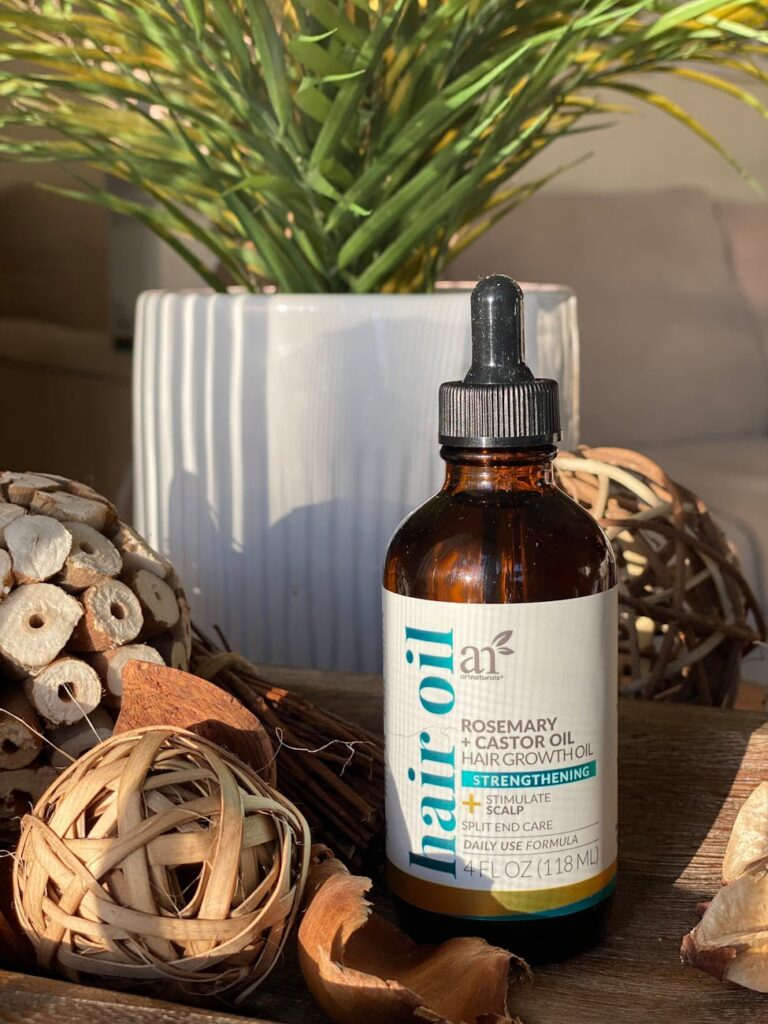
- Hair Care: It is commonly used to nourish the scalp and improve hair health, often found in formulations for hair growth.
- Patch Test: Before using castor oil, particularly on sensitive skin, perform a patch test to check for allergic reactions or sensitivities.
- Dilution: When using castor oil as a carrier, it is recommended to dilute it with essential oils at safe ratios—typically, a dilution of 1-2% is advised for topical applications.
- Pregnancy and Nursing: Pregnant or nursing individuals should consult with a healthcare professional before using castor oil, as some sources suggest it may have effects on labor.
- Internal Use: Castor oil is sometimes ingested for its laxative properties; however, this use is not typically recommended within aromatherapy practices and should be approached with caution and professional guidance.
- Storage: Store castor oil in a cool, dark place, away from direct sunlight and heat. A dark glass bottle can help protect the oil from light exposure.
- Shelf Life: Castor oil typically has a shelf life of one to two years when stored properly. Regularly check for changes in smell or consistency, as these may indicate that the oil has gone rancid.
Aromatherapy Applications
Though castor oil is not an essential oil, it can be effectively integrated into aromatherapy practices. Here are some ways to utilize castor oil in this context:
1. Carrier Oil: Due to its thick consistency, castor oil is an excellent carrier oil for diluting essential oils. This can enhance the therapeutic benefits of the essential oils while making them safe for topical application.
2. Massage Blends: When blended with essential oils such as lavender, eucalyptus, or peppermint, castor oil can be used in massage therapy to relieve muscle tension and promote relaxation.
3. Aromatic Bath: Adding castor oil to a warm bath, combined with essential oils, can create a soothing and moisturizing experience for the skin while providing aromatherapy benefits.
4. Skin Care Formulations: Castor oil can act as a base for homemade skincare products, such as lotions or balms, when blended with essential oils like tea tree or chamomile for added healing properties.
5. Compresses: A warm compress made with castor oil and essential oils can be applied to areas of discomfort, utilizing the oil’s anti-inflammatory properties.
Safety Considerations
While castor oil is generally considered safe for topical use, there are several important safety considerations to keep in mind:
Storage and Shelf Life
To maintain the quality and potency of castor oil:
Frequently Asked Questions
1. Can castor oil be used in a diffuser?
Castor oil is not suitable for use in a diffuser due to its thick consistency and lack of volatile aromatic compounds. It is best utilized as a carrier oil or for topical applications.
2. Is castor oil safe for all skin types?
While castor oil is generally safe for most skin types, individuals with sensitive or acne-prone skin should conduct a patch test before widespread use, as it may clog pores for some people.
3. What essential oils pair well with castor oil?
Castor oil blends well with many essential oils, including lavender, tea tree, eucalyptus, and chamomile. These combinations can enhance the benefits of both the carrier and essential oils.
4. How can I incorporate castor oil into my skincare routine?
You can use castor oil as a moisturizer, an ingredient in homemade skincare products, or as a base for massages. Always ensure that it is diluted appropriately if combined with essential oils.
5. Can castor oil help with hair growth?
Many people use castor oil to promote hair health and growth due to its nourishing properties. However, results may vary, and it should be combined with a healthy hair care routine for best outcomes.
Conclusion
Castor oil is a versatile oil that can play a significant role in aromatherapy and holistic wellness practices. With its unique properties and various applications, it serves as an excellent carrier oil and can enhance the benefits of essential oils when used appropriately. By understanding its characteristics, safety considerations, and potential applications, individuals can effectively incorporate castor oil into their aromatherapy routines, fostering a deeper connection to natural wellness practices.