
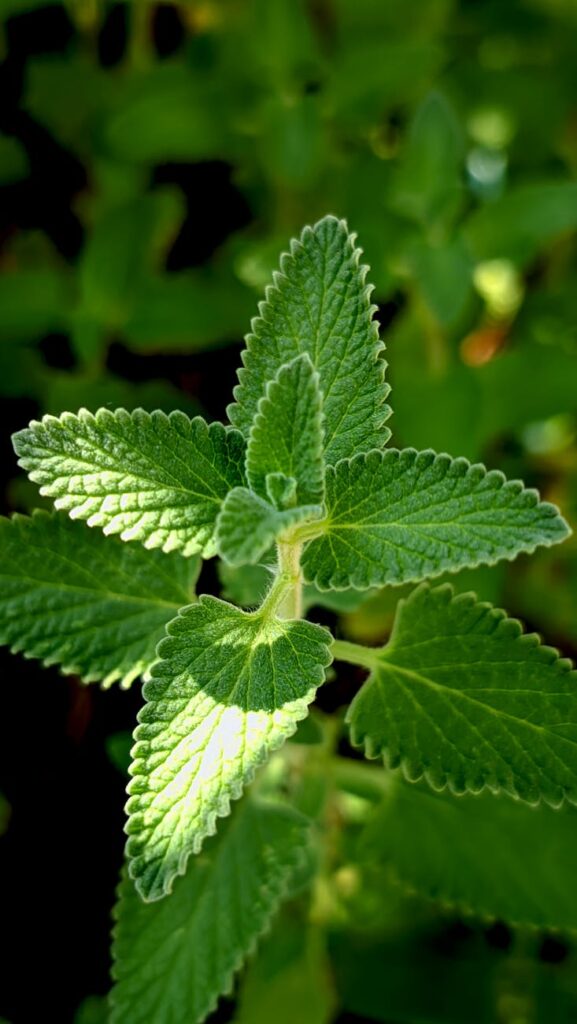
Aromatherapy Uses of Catnip Extract
Introduction
Aromatherapy, the therapeutic use of essential oils and aromatic compounds, has gained popularity as a holistic approach to enhancing well-being. Among the many essential oils available, catnip extract (Nepeta cataria) stands out due to its unique characteristics and traditional uses. This article explores the various aspects of catnip extract, including its properties, benefits, applications in aromatherapy, and safety considerations.
What Is Catnip Extract?
Catnip, a member of the mint family (Lamiaceae), is a perennial herb native to Europe and Asia, though it has since spread to various regions worldwide, especially North America. The plant is characterized by its jagged, green leaves and small, white to lavender flowers. While catnip is well-known for its euphoric effects on cats, it also possesses a range of aromatic properties that make it valuable in aromatherapy.
Catnip extract is derived from the leaves and flowers of the plant, typically through steam distillation or solvent extraction. The resulting essential oil has a fresh, herbaceous scent with hints of mint and is often used for its calming and soothing effects.
Key Benefits and Properties
Catnip extract is celebrated for several beneficial properties that contribute to its use in aromatherapy:
1. Calming Effects
Catnip has been traditionally used for its calming and relaxing effects. Its active compounds, particularly nepetalactone, are believed to interact with the body’s neurotransmitters, promoting a sense of tranquility and reducing anxiety.
2. Mild Sedative
While not as potent as some other sedative essential oils, catnip extract is considered a mild sedative. It may help ease tension and promote restful sleep when diffused or inhaled.
3. Antimicrobial Properties
Research has indicated that catnip possesses antimicrobial properties, making it a potential natural alternative for supporting skin health and hygiene.
4. Digestive Aid
Traditionally, catnip has been used to alleviate digestive discomfort. Its soothing properties may help with mild digestive upset, although scientific support for this use in aromatherapy remains limited.
Common Uses
Catnip extract can be utilized in various ways to enhance well-being:
- Aromatherapy Diffusion: Using a diffuser, catnip extract can fill a room with its calming aroma, creating a peaceful environment conducive to relaxation and sleep.
- Topical Application: When diluted with a carrier oil, catnip extract can be applied to the skin for its soothing properties.
- Bath Products: Adding catnip extract to bath water can create a relaxing and aromatic experience, promoting a sense of calm.
- Herbal Teas: While not an essential oil use, catnip is often consumed as a tea for its gentle sedative effects, making it a common component in herbal blends.
- Dilution: Essential oils should be diluted with a carrier oil before topical application to avoid skin irritation.
- Pregnancy and Nursing: Pregnant or nursing individuals should consult a healthcare professional before using essential oils, including catnip extract.
- Allergies: As with any essential oil, it is advisable to perform a patch test on a small area of skin to check for allergic reactions before widespread use.
- Child Safety: Keep essential oils out of reach of children and consult a pediatrician before using them around infants or young children.
- Containers: Store catnip extract in dark glass bottles to protect it from light degradation. Avoid plastic containers, which can interact with the oil.
- Temperature: Keep the extract in a cool, dry place away from direct sunlight and heat sources. A cupboard or drawer is ideal.
- Shelf Life: Catnip extract typically has a shelf life of 1-3 years, depending on storage conditions. Always check for changes in aroma or consistency before use.
Aromatherapy Applications
1. Relaxation and Stress Relief
To create a calming atmosphere, add a few drops of catnip extract to an essential oil diffuser along with complementary oils like lavender or chamomile. This blend can promote relaxation and relieve stress after a long day.
2. Sleep Support
For those struggling with sleep disturbances, consider a nighttime ritual involving catnip extract. Diffuse it in the bedroom before sleep, or blend it with a carrier oil and apply to pulse points for a calming effect.
3. Meditation and Mindfulness
Incorporating catnip extract into mindfulness practices can enhance focus and tranquility. A few drops on a cotton ball or tissue can be inhaled during meditation to deepen the experience.
4. Skin Care
When diluted with a carrier oil, catnip extract can be used in skincare formulations to help soothe irritated skin. Its antimicrobial properties may support overall skin health.
5. Seasonal Wellness
Catnip extract can be blended with other essential oils like eucalyptus or tea tree for use during seasonal changes. The antimicrobial properties may help maintain a sense of freshness in the air.
Safety Considerations
While catnip extract is generally considered safe for most people, there are several safety considerations to keep in mind:
Storage and Shelf Life
Proper storage of catnip extract is crucial for maintaining its efficacy and aroma. Here are some guidelines:
Frequently Asked Questions
1. Can catnip extract be used for pets?
While catnip extract is safe for cats, it is advisable to consult a veterinarian before using any essential oils around pets, as some oils may be harmful to animals.
2. Is catnip extract safe for children?
While catnip is generally considered safe, it’s essential to consult a pediatrician before using essential oils around children. Proper dilution and usage are crucial.
3. How should I dilute catnip extract for topical use?
A common dilution ratio for topical application is 1-2 drops of essential oil per teaspoon of carrier oil. Always perform a patch test first to ensure there are no adverse reactions.
4. Can I ingest catnip extract?
Catnip extract is not typically intended for ingestion. While catnip can be consumed as a tea, essential oils should be used cautiously and only under the guidance of a qualified professional.
5. What other essential oils blend well with catnip?
Catnip blends well with other calming oils such as lavender, chamomile, and bergamot, making it versatile in aromatherapy applications.
Conclusion
Catnip extract offers a range of benefits and applications in the realm of aromatherapy. Its calming properties make it a valuable addition to relaxation practices, while its antimicrobial and soothing characteristics support overall well-being. As with any essential oil, it is essential to use catnip extract responsibly, adhering to safety guidelines and best practices. Whether you are an experienced aromatherapist or new to the world of essential oils, catnip extract is a delightful herb worth exploring.