
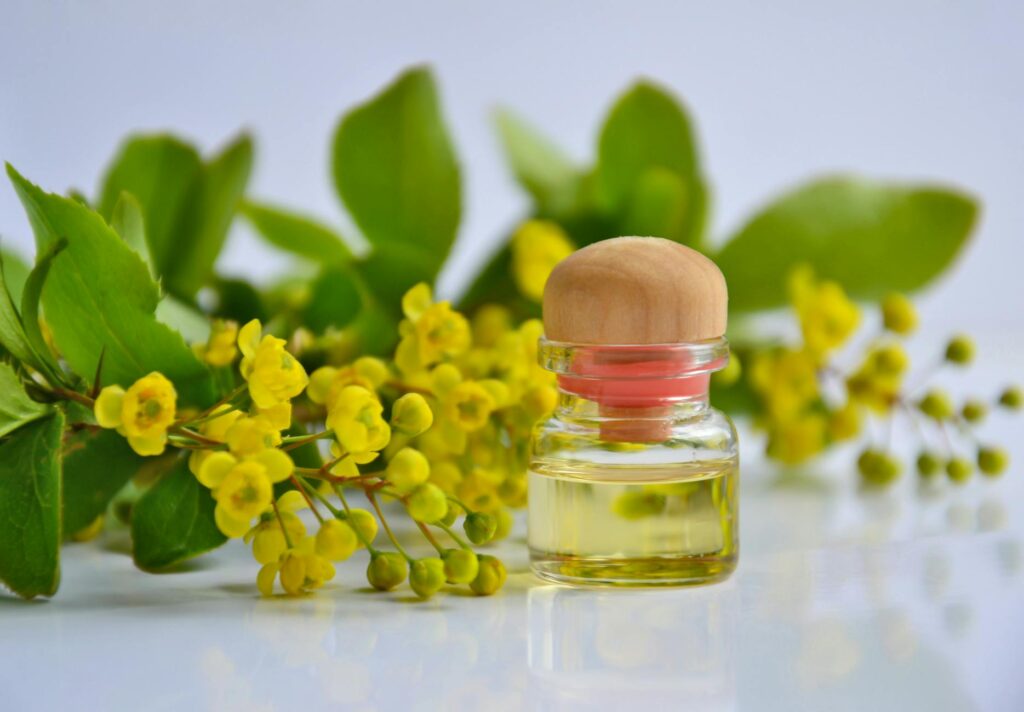
Aromatherapy Uses of Cedarwood Hydrosols
Introduction
Aromatherapy has long been celebrated for its ability to enhance well-being through the use of essential oils and their aromatic properties. Among the myriad of plant-derived products utilized in this practice, cedarwood hydrosols stand out for their unique characteristics and multifaceted applications. This article delves into the essence of cedarwood hydrosols, exploring their benefits, common uses, and safety considerations, providing a comprehensive guide for enthusiasts and practitioners alike.
What Is Cedarwood Hydrosols?
Cedarwood hydrosols are the aromatic waters that remain after steam distilling the wood of cedar trees, primarily from the species Cedrus atlantica (Atlas cedar) and Juniperus virginiana (Eastern red cedar). Unlike essential oils, which are concentrated and potent, hydrosols are gentler and often used as a more diluted form of the plant’s aromatic properties. They contain water-soluble components of the plant, making them suitable for a wider range of applications, including topical use and environmental enhancement.
Production Process
The production of cedarwood hydrosols involves the steam distillation of cedarwood chips or sawdust. During this process, steam carries the volatile compounds from the wood, which then condense into a liquid. The result is a clear, aromatic water that retains many of the beneficial properties of the cedarwood itself.
Key Benefits and Properties
Cedarwood hydrosols are known for their diverse range of properties, which include:
- Antiseptic: Cedarwood has natural antiseptic qualities that can help cleanse and purify.
- Astringent: The astringent properties may assist in tightening and toning skin, making it beneficial for various skin types.
- Relaxing and Grounding: The warm, woody aroma of cedarwood is often associated with feelings of peace and tranquility, making it a popular choice for relaxation and stress relief.
- Insect Repellent: The natural scent of cedarwood has been known to deter insects, offering a pleasant and effective alternative to chemical repellents.
- Skincare: Their astringent properties make them suitable for facial toners and cleansers.
- Haircare: Cedarwood hydrosols can be added to hair care products to promote scalp health and invigorate hair.
- Home Fragrance: Used in diffusers or as a room spray, cedarwood hydrosols can impart a calming aroma to any space.
- Bathing: Adding cedarwood hydrosols to bathwater can create a soothing and aromatic experience.
- Patch Test: Before applying cedarwood hydrosols to the skin, it is advisable to conduct a patch test to check for any allergic reactions.
- Dilution: Although hydrosols are milder than essential oils, some individuals may prefer to dilute them further, particularly for sensitive skin.
- Pregnancy and Nursing: Pregnant or nursing individuals should consult with a healthcare professional before using any aromatherapy products, including cedarwood hydrosols.
- Children and Pets: When using cedarwood hydrosols around children or pets, it is prudent to ensure that the environment is safe and the product is suitable for their age and health status.
- Cool, Dark Place: Store cedarwood hydrosols in a cool, dark location, away from direct sunlight and heat sources.
- Sealed Containers: Keep the hydrosol in a tightly sealed glass or PET (polyethylene terephthalate) container to minimize exposure to air and moisture.
- Check Expiry Dates: Most hydrosols have a shelf life of about 1 to 2 years. Always check for any signs of spoilage, such as changes in color or odor, before use.
Common Uses
Cedarwood hydrosols can be utilized in various settings, including:
Aromatherapy Applications
Cedarwood hydrosols are versatile in aromatherapy and can be used in several ways:
1. Diffusion
Cedarwood hydrosols can be added to a diffuser to fill a room with their calming aroma. This practice is particularly beneficial during meditation or yoga sessions, as the scent promotes relaxation and grounding.
2. Facial Toner
For skincare, cedarwood hydrosols can serve as a natural facial toner. Applying it directly to the skin using a cotton pad can help refresh the complexion and tighten pores. It is suitable for all skin types, particularly oily or acne-prone skin.
3. Inhalation
Inhalation is another effective method to benefit from cedarwood hydrosols. Spraying a small amount into the air or on a tissue and inhaling can help alleviate stress and promote mental clarity.
4. Bathing Rituals
Incorporating cedarwood hydrosols into bathwater can create a spa-like experience at home. The soothing aroma can help ease tension and promote relaxation during a warm bath.
5. Natural Room Spray
Cedarwood hydrosols can be combined with other hydrosols or essential oils to create a natural room spray. This not only enhances the aromatic properties of a space but also contributes to a calming atmosphere.
Safety Considerations
While cedarwood hydrosols are generally safe for most individuals, it is essential to consider the following:
Storage and Shelf Life
Proper storage of cedarwood hydrosols is crucial for maintaining their quality and efficacy. Follow these guidelines to extend their shelf life:
Frequently Asked Questions
1. How do cedarwood hydrosols differ from cedarwood essential oils?
Cedarwood hydrosols are the byproduct of steam distillation and are much milder than cedarwood essential oils. While essential oils are concentrated and potent, hydrosols contain water-soluble components and are typically used in more diluted forms.
2. Can cedarwood hydrosols be ingested?
Cedarwood hydrosols are generally considered safe for external use. However, ingestion is not recommended unless under the guidance of a qualified professional, as the safety and effects of internal use may vary.
3. Are there any contraindications for using cedarwood hydrosols?
Individuals with known allergies to cedarwood or related species should avoid using cedarwood hydrosols. Additionally, pregnant or nursing individuals should consult with a healthcare provider before use.
4. Can cedarwood hydrosols be combined with other hydrosols or essential oils?
Yes, cedarwood hydrosols can be blended with other hydrosols or essential oils to create customized aromatic experiences. However, it is essential to consider the safety and compatibility of the combined ingredients.
5. Can cedarwood hydrosols be used in cleaning products?
Cedarwood hydrosols can be incorporated into natural cleaning products for their antiseptic properties and pleasant aroma. However, it is essential to ensure that the cleaning solution is safe for the surfaces being cleaned.
Conclusion
Cedarwood hydrosols offer a plethora of benefits and applications for enthusiasts and practitioners of aromatherapy. Their mild, grounding aroma and versatile properties make them a valuable addition to personal care routines, home environments, and relaxation practices. By understanding how to utilize cedarwood hydrosols safely and effectively, individuals can enhance their well-being and create serene spaces infused with the calming essence of cedarwood.