
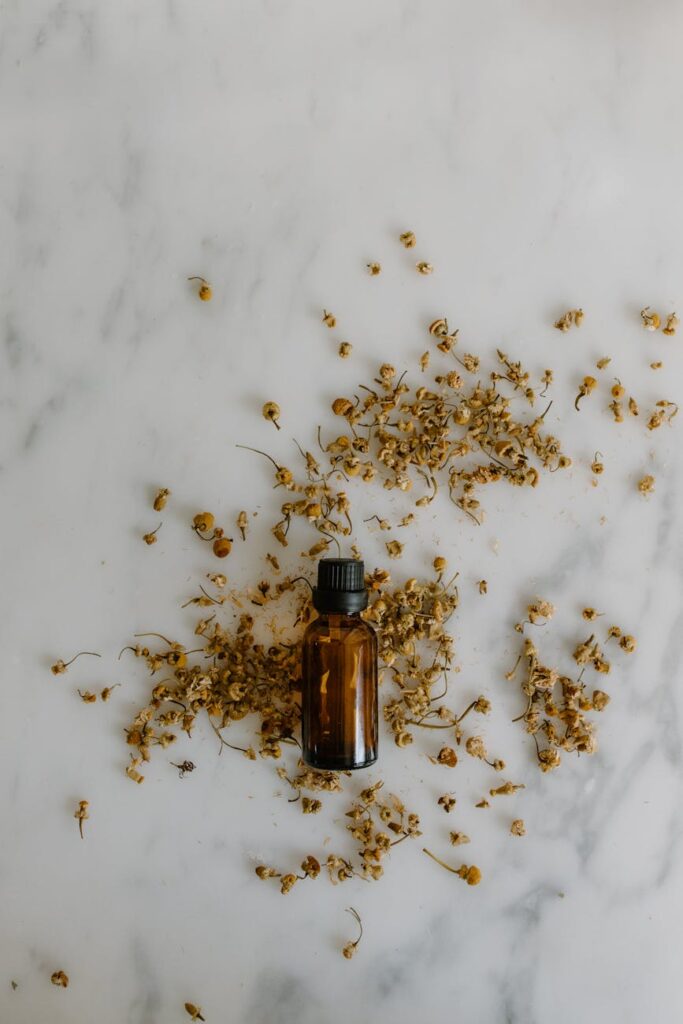
Aromatherapy Uses of Chamomile Extract
Introduction
Aromatherapy is an ancient practice that harnesses the therapeutic benefits of essential oils derived from various plants. Among these, chamomile extract is particularly revered for its soothing properties and wide array of applications. This article delves into the origins, benefits, and uses of chamomile extract in aromatherapy, providing a comprehensive overview for enthusiasts and practitioners alike.
What Is Chamomile Extract?
Chamomile extract is derived from the flowers of the chamomile plant, primarily from two species: Matricaria chamomilla (German chamomile) and Chamaemelum nobile (Roman chamomile). Both types have a long history of use in traditional medicine, particularly for their calming and anti-inflammatory properties.
The extraction process typically involves steam distillation or solvent extraction, resulting in an essential oil that captures the plant’s aromatic and therapeutic qualities. Chamomile has a sweet, apple-like scent that is both calming and uplifting, making it a popular choice in aromatherapy.
Key Benefits and Properties
Chamomile extract is celebrated for its numerous benefits, which include:
- Calming Effects: Chamomile is well-known for its ability to promote relaxation and alleviate stress. Its sedative properties can help soothe the mind and body, making it a popular choice for those experiencing anxiety or insomnia.
- Anti-Inflammatory: The extract contains compounds such as chamazulene and bisabolol, which have been shown to reduce inflammation. This makes it valuable for soothing skin irritations and conditions.
- Antimicrobial: Chamomile has been recognized for its antibacterial and antifungal properties, making it beneficial for maintaining skin health and promoting overall wellness.
- Digestive Support: Traditionally, chamomile has been used to ease digestive discomfort, including bloating and indigestion.
- Skin Health: Due to its anti-inflammatory and antimicrobial properties, chamomile is often included in skincare products to help soothe irritated skin and promote a healthy complexion.
- Aromatherapy Diffusers: Adding chamomile essential oil to a diffuser can create a calming atmosphere, ideal for relaxation or meditation.
- Massage Oils: When blended with a carrier oil, chamomile can be used in massage therapy to promote relaxation and ease muscle tension.
- Skincare Products: Chamomile is commonly found in lotions, creams, and serums designed to soothe sensitive or inflamed skin.
- Herbal Teas: While not an essential oil application, chamomile tea is widely consumed for its calming effects and digestive support.
- Bath Products: Chamomile can enhance bath oils and salts, providing a tranquil experience while nourishing the skin.
- Skin Sensitivity: Before using chamomile essential oil topically, conduct a patch test to check for any allergic reactions. Apply a small diluted amount to a discreet area of skin and observe for any adverse reactions over 24 hours.
- Pregnancy and Nursing: Pregnant or nursing individuals should consult with a healthcare professional before using chamomile extract.
- Allergies: Individuals with allergies to plants in the Asteraceae family, such as ragweed, marigolds, or daisies, should avoid chamomile essential oil due to the risk of allergic reactions.
- Medication Interactions: Chamomile may interact with certain medications, including blood thinners and sedatives. It is advisable to consult a healthcare professional if you are taking medications.
- Storage Conditions: Store chamomile essential oil in a cool, dark place, away from direct sunlight and heat. It is best kept in an amber or cobalt glass bottle to protect it from light degradation.
- Shelf Life: Chamomile essential oil typically has a shelf life of 1-2 years when stored correctly. However, its potency can diminish over time, so it is advisable to use it within this timeframe for optimal benefits.
Common Uses
Chamomile extract is versatile and can be used in various applications, including:
Aromatherapy Applications
Chamomile extract is highly valued in aromatherapy for its unique properties. Here are several ways to incorporate chamomile into aromatherapy practices:
1. Diffusion
Using a diffuser is one of the simplest and most effective ways to enjoy chamomile’s aromatic benefits. Add a few drops of chamomile essential oil to the diffuser with water and let the soothing aroma fill your space. This practice can help create a peaceful environment, ideal for relaxation or meditation.
2. Inhalation
Inhalation is another effective method to experience the benefits of chamomile. You can place a few drops of chamomile oil on a tissue or cotton ball and inhale deeply. This method can provide quick relief from stress and anxiety.
3. Massage
To use chamomile extract in massage, dilute it with a carrier oil, such as sweet almond or jojoba oil. A common dilution ratio is 2-3 drops of essential oil per teaspoon of carrier oil. Massage the mixture onto the skin to promote relaxation and relieve muscle tension.
4. Bathing
Adding chamomile essential oil to a warm bath can enhance the soothing experience. Mix 5-10 drops of chamomile oil with a carrier oil or Epsom salts before adding it to the bathwater. This practice can help alleviate stress and promote restful sleep.
5. Skincare
Chamomile can be added to homemade skincare formulations. For example, incorporating a few drops of chamomile essential oil into a face cream or serum can enhance its soothing properties, benefiting sensitive or irritated skin.
Safety Considerations
While chamomile extract is generally considered safe for most individuals, it is essential to follow certain precautions:
Storage and Shelf Life
To maintain the quality and efficacy of chamomile extract, proper storage is crucial:
Frequently Asked Questions
1. Can chamomile extract be ingested?
Chamomile extract is generally safe for topical use and aromatherapy. However, ingestion should be approached with caution. Consult a healthcare professional before consuming chamomile in any form, especially if you have underlying health conditions or are taking medications.
2. What are the differences between German and Roman chamomile?
While both German and Roman chamomile share calming properties, they differ in scent and chemical composition. German chamomile has a stronger, more intense aroma and contains higher levels of chamazulene, contributing to its potent anti-inflammatory properties. Roman chamomile has a sweeter, more floral scent and is often considered gentler.
3. Is chamomile extract suitable for children?
Chamomile is often used in children’s products due to its gentle nature. However, it is advisable to consult a healthcare professional before using chamomile extract with children, especially for topical or internal use.
4. How can I incorporate chamomile extract into my daily routine?
There are various ways to include chamomile extract in your daily routine, such as using it in aromatherapy diffusers, adding it to skincare products, or incorporating it into your evening rituals. Experiment with different methods to find what works best for you.
5. Are there any contraindications for using chamomile extract?
Individuals with allergies to plants in the Asteraceae family, pregnant or nursing women, and those taking certain medications should exercise caution. Consulting a healthcare professional before use is recommended for these groups.
Conclusion
Chamomile extract is a versatile and valuable resource in the realm of aromatherapy. With its calming effects, anti-inflammatory properties, and numerous applications, it holds a cherished place in both traditional and contemporary wellness practices. By understanding its benefits and uses, individuals can effectively incorporate chamomile into their daily routines, enhancing their overall well-being and embracing the soothing power of nature.