
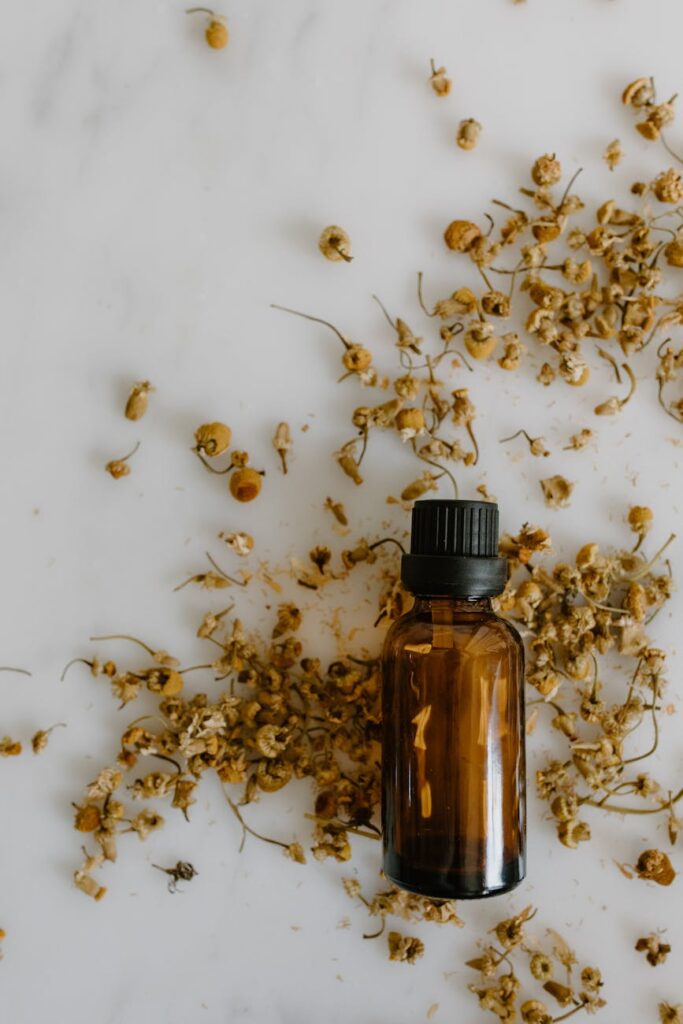
Aromatherapy Uses of Chamomile Oil Safety
Introduction
Chamomile oil, derived from the flowers of the chamomile plant, has been celebrated for centuries for its calming and soothing properties. With its gentle floral aroma, this essential oil finds its place in aromatherapy, personal care, and holistic wellness practices. However, like all essential oils, it is vital to understand the safety aspects associated with its use. This article provides a comprehensive overview of chamomile oil safety, highlighting its benefits, common applications, and important considerations to ensure safe and effective usage.
What Is Chamomile Oil Safety?
Chamomile oil is extracted from two primary species: German chamomile (Matricaria chamomilla) and Roman chamomile (Chamaemelum nobile). Both varieties have unique chemical profiles that contribute to their therapeutic properties. Chamomile oil is known for its anti-inflammatory, antispasmodic, and calming effects, making it a popular choice in aromatherapy.
However, safety is paramount when using essential oils. Safety considerations encompass proper usage, dilution, potential allergic reactions, and contraindications. Understanding these aspects can help individuals enjoy the benefits of chamomile oil while minimizing risks.
Key Benefits and Properties
Chamomile oil is renowned for its various beneficial properties, making it a staple in many holistic practices:
1. Calming Effects: Chamomile oil is widely recognized for its ability to soothe anxiety and promote relaxation. Its calming aroma can help reduce stress levels and enhance sleep quality.
2. Anti-Inflammatory: The oil possesses anti-inflammatory properties, which can help alleviate conditions such as skin irritations and muscle soreness.
3. Antispasmodic: Chamomile oil has been noted for its ability to relieve muscle spasms and cramping, making it beneficial for digestive issues.
4. Antimicrobial: Research suggests that chamomile oil may exhibit antimicrobial properties, which can help in maintaining skin health.
5. Skin Care: Due to its soothing properties, chamomile oil is often included in skincare products, particularly for sensitive or irritated skin.
Common Uses
Chamomile oil can be utilized in a variety of ways, including:
- Aromatherapy Diffusion: Adding a few drops to a diffuser can help create a calming environment.
- Topical Applications: Diluting chamomile oil in a carrier oil allows for direct application on the skin.
- Bath Additive: Adding chamomile oil to bathwater can enhance relaxation and provide skin benefits.
- Inhalation: Inhaling chamomile oil directly from the bottle or from a tissue can promote a sense of calm.
- Cool, Dark Place: Store chamomile oil in a cool, dark location away from direct sunlight and heat sources. Exposure to light and heat can degrade the oil’s chemical composition.
- Tightly Sealed Containers: Keep the oil in its original, tightly sealed container to minimize oxidation. Amber or cobalt blue glass bottles are ideal for protecting essential oils from light.
- Shelf Life: Chamomile oil typically has a shelf life of 1 to 3 years, depending on storage conditions. Regularly check for changes in aroma or color, which may indicate that the oil has gone rancid.
Aromatherapy Applications
Aromatherapy harnesses the power of essential oils to enhance physical and emotional well-being. Chamomile oil is particularly effective in various aromatherapy applications:
1. Stress Relief: Inhaling chamomile oil or using it in massage can help reduce feelings of stress and anxiety.
2. Sleep Aid: Chamomile oil can be beneficial for promoting restful sleep. It can be used in bedtime rituals, such as adding it to pillows or diffusing in the bedroom.
3. Mood Enhancement: The uplifting properties of chamomile oil can help improve mood and alleviate feelings of sadness or irritability.
4. Skin Relief: Its anti-inflammatory properties make chamomile oil an excellent choice for soothing skin irritations, including eczema and dermatitis.
Safety Considerations
While chamomile oil is generally regarded as safe for most individuals, several safety considerations should be taken into account:
1. Dilution: Essential oils are highly concentrated and should always be diluted in a carrier oil before topical application. A common dilution ratio is 2-3 drops of chamomile oil per 1 tablespoon of carrier oil.
2. Patch Test: Before using chamomile oil on larger areas of skin, conduct a patch test to check for any allergic reactions. Apply a diluted drop to a small area and wait 24 hours to observe any adverse reactions.
3. Pregnancy and Nursing: Pregnant or nursing individuals should consult a healthcare professional before using chamomile oil, as certain essential oils may not be recommended during these periods.
4. Allergies: Individuals with allergies to plants in the Asteraceae family (such as ragweed, marigolds, and daisies) may also be allergic to chamomile oil and should avoid its use.
5. Interactions with Medications: Chamomile oil may interact with certain medications, particularly blood thinners and sedatives. It is advisable to consult with a healthcare provider if you are taking any medications.
6. Children and Infants: Chamomile oil should be used with caution around young children. Always consult a healthcare professional before using essential oils on children.
Storage and Shelf Life
Proper storage of chamomile oil is crucial to maintaining its quality and efficacy. Here are some guidelines for optimal storage:
Frequently Asked Questions
1. Can chamomile oil be ingested?
Chamomile oil is not typically recommended for ingestion. Essential oils are highly concentrated and can be toxic when consumed. Always consult a healthcare provider before considering internal use.
2. Is chamomile oil safe for sensitive skin?
Chamomile oil is often used for sensitive skin due to its soothing properties. However, it should always be diluted in a carrier oil before application. A patch test is recommended to check for any reactions.
3. How can I use chamomile oil for relaxation?
Chamomile oil can be used in a diffuser, added to a bath, or blended with a carrier oil for massage to promote relaxation. Inhaling the oil directly from the bottle can also provide calming effects.
4. Can chamomile oil help with sleep issues?
Many individuals find chamomile oil beneficial for promoting restful sleep. Incorporating it into bedtime routines, such as diffusing or adding it to pillows, can create a calming environment conducive to sleep.
5. Is chamomile oil safe for children?
Chamomile oil should be used with caution around children and infants. It is best to consult a healthcare provider for guidance on essential oil use in children.
Conclusion
Chamomile oil is a versatile and beneficial essential oil that offers a range of therapeutic properties. Its calming, anti-inflammatory, and skin-soothing effects make it a valuable addition to aromatherapy practices. However, safety should always be a priority when using essential oils. By understanding the appropriate applications, dilution methods, and potential risks, individuals can safely incorporate chamomile oil into their wellness routines. As with any essential oil, it is advisable to educate oneself and consult professionals when necessary to ensure beneficial and safe use.