
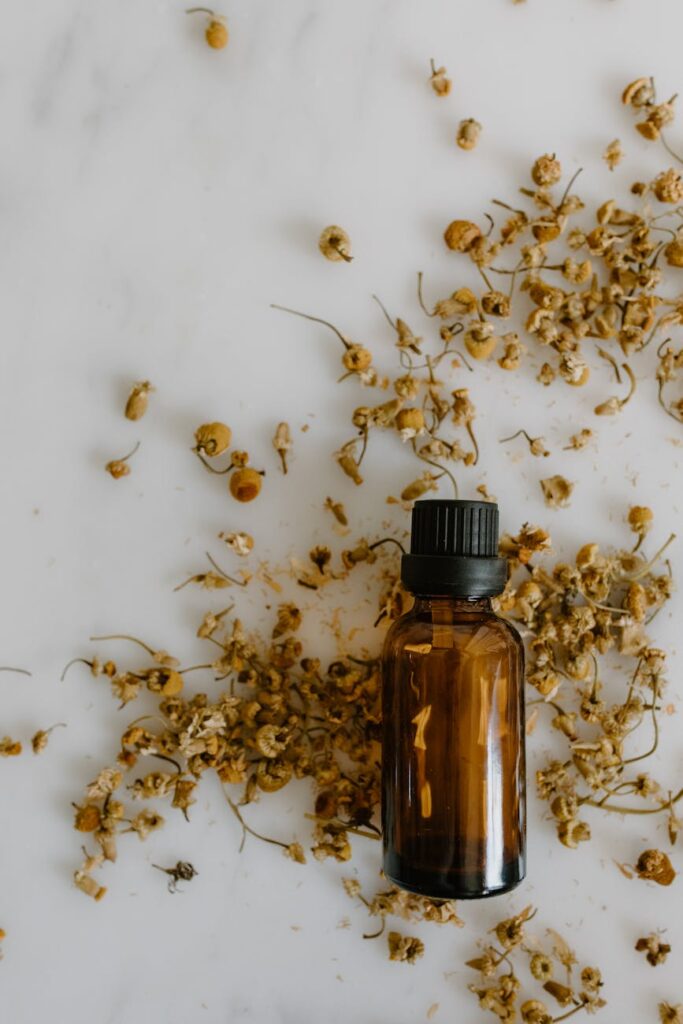
Aromatherapy Uses of Chamomile Oil
Introduction
Aromatherapy, the practice of using essential oils to promote physical and emotional well-being, has gained popularity worldwide. Among the myriad of essential oils available, chamomile oil stands out for its soothing and calming properties. This article delves into chamomile oil, exploring its origins, benefits, uses, and applications in aromatherapy, along with important safety considerations.
What Is Chamomile Oil?
Chamomile oil is derived from the flowers of the chamomile plant, primarily from two species: Matricaria chamomilla (German chamomile) and Chamaemelum nobile (Roman chamomile). These flowering herbs belong to the Asteraceae family and have been used for centuries in traditional medicine and herbal remedies. The oil is extracted through steam distillation or solvent extraction, resulting in a concentrated form that captures the plant’s aromatic compounds.
Chamomile oil is characterized by its sweet, apple-like scent and a deep blue hue, particularly in German chamomile due to the presence of chamazulene, a compound with anti-inflammatory properties. Its calming aroma is often associated with relaxation and tranquility, making it a popular choice in the field of aromatherapy.
Key Benefits and Properties
Chamomile oil is celebrated for its numerous benefits and properties, which include:
1. Anti-inflammatory: Chamomile oil has been shown to reduce inflammation, making it beneficial for conditions such as skin irritations and allergies.
2. Calming and Relaxing: The soothing properties of chamomile oil make it ideal for reducing stress, anxiety, and promoting restful sleep.
3. Antioxidant: Rich in antioxidants, chamomile oil helps combat oxidative stress, which can contribute to premature aging and various health issues.
4. Antimicrobial: Some studies suggest that chamomile oil possesses antimicrobial properties, making it useful in addressing minor wounds and infections.
5. Digestive Support: Historically, chamomile has been used to alleviate digestive discomfort, although this is more common in tea form than as an essential oil.
Common Uses
Chamomile oil is versatile and can be utilized in various ways, including:
- Aromatherapy Diffusion: Adding a few drops of chamomile oil to a diffuser can create a calming atmosphere, perfect for relaxation or meditation.
- Massage Oils: When diluted with a carrier oil, chamomile can be used for massage to relieve tension and promote relaxation.
- Bath Additive: A few drops of chamomile oil in a warm bath can enhance the experience, providing a soothing effect on the mind and body.
- Skincare: Chamomile oil can benefit the skin when diluted properly, helping to soothe irritation and redness.
- Diffusion: Use a diffuser to disperse chamomile oil into the air, creating a serene ambiance.
- Inhalation: Place a few drops on a tissue or cotton ball and inhale deeply whenever stress levels rise.
- Bedtime Routine: Incorporate chamomile oil into your evening routine by adding it to a diffuser or applying it to your pillow.
- Massage: A gentle massage using chamomile oil diluted in a carrier oil can help ease tension and promote relaxation before bedtime.
- Topical Application: Dilute chamomile oil with a carrier oil and apply it to irritated or inflamed skin. It may help to calm redness and reduce irritation.
- DIY Skincare Products: Incorporate chamomile oil into homemade lotions or creams to enhance their calming effects.
- Meditation Space: Use a diffuser during meditation sessions to help clear the mind and deepen relaxation.
- Personal Inhaler: Create a personal inhaler with chamomile oil for use during meditation or mindfulness exercises.
- Aromatherapy Blends: Combine chamomile oil with other essential oils known for emotional support, such as lavender or bergamot, to create a harmonious blend.
- Roller Bottles: Create a roller bottle blend with chamomile oil and carrier oil for on-the-go emotional support.
Aromatherapy Applications
In aromatherapy, chamomile oil is often employed in various applications:
1. Stress Relief
One of the primary uses of chamomile oil is for stress relief. Its calming aroma can help reduce anxiety levels and create a tranquil environment. To use chamomile oil for stress relief, consider the following methods:
2. Sleep Aid
Chamomile oil is frequently used to promote better sleep quality. Its relaxing properties can help prepare the mind for restful slumber:
3. Skin Care
Chamomile oil’s soothing properties make it a valuable addition to skincare routines:
4. Meditation and Mindfulness
Chamomile oil can enhance meditation practices by creating a peaceful atmosphere:
5. Emotional Balance
Chamomile oil can assist in emotional balance and stability:
Safety Considerations
While chamomile oil is generally regarded as safe for most individuals, there are a few safety considerations to keep in mind:
1. Skin Sensitivity: Perform a patch test before applying chamomile oil to the skin, as some individuals may experience sensitivity or allergic reactions.
2. Dilution: Always dilute chamomile oil with a carrier oil before topical application to minimize the risk of irritation.
3. Pregnancy and Nursing: Pregnant or nursing individuals should consult a healthcare professional before using chamomile oil, as its effects during these periods are not fully understood.
4. Drug Interactions: Chamomile may interact with certain medications, particularly blood thinners and sedatives. Consult a healthcare professional if you are taking medications.
5. Avoiding Ingestion: Chamomile oil should not be ingested, as it is highly concentrated and may cause adverse effects if consumed.
Storage and Shelf Life
Proper storage is crucial to maintain the integrity of chamomile oil. It should be stored in a cool, dark place, away from direct sunlight and heat sources. Glass containers are preferred, as essential oils can degrade plastic over time.
The shelf life of chamomile oil varies but is typically around 1 to 3 years, depending on the extraction method and storage conditions. If the oil develops an off smell or shows signs of cloudiness, it is advisable to dispose of it.
Frequently Asked Questions
1. Can chamomile oil be used for children?
Chamomile oil can be used for children, but it should be heavily diluted and used with caution. Always consult a healthcare professional for guidance on appropriate use for children.
2. Is chamomile oil safe for pets?
Chamomile oil should be used with caution around pets, as some essential oils can be toxic to animals. Always consult a veterinarian before using essential oils in the presence of pets.
3. Can chamomile oil be blended with other essential oils?
Yes, chamomile oil blends well with a variety of essential oils, including lavender, bergamot, and frankincense. Experimenting with different blends can enhance the aromatic experience.
4. How do I choose a high-quality chamomile oil?
When selecting chamomile oil, look for reputable brands that provide information about the oil’s sourcing, extraction method, and purity. Certified organic oils are often a good choice for ensuring quality.
5. Can chamomile oil help with headaches?
While chamomile oil is known for its calming properties, it may help alleviate tension-related headaches when used in a diluted form for massage or inhalation. However, individual results may vary.
Conclusion
Chamomile oil is a cherished essential oil in the world of aromatherapy, renowned for its calming and soothing properties. Its versatility allows it to be used for stress relief, sleep enhancement, skincare, and emotional balance. However, it is essential to use chamomile oil safely and responsibly, considering individual sensitivities and potential interactions. With its rich history and array of benefits, chamomile oil continues to be a valuable addition to the practice of aromatherapy, offering a pathway to relaxation and well-being.