
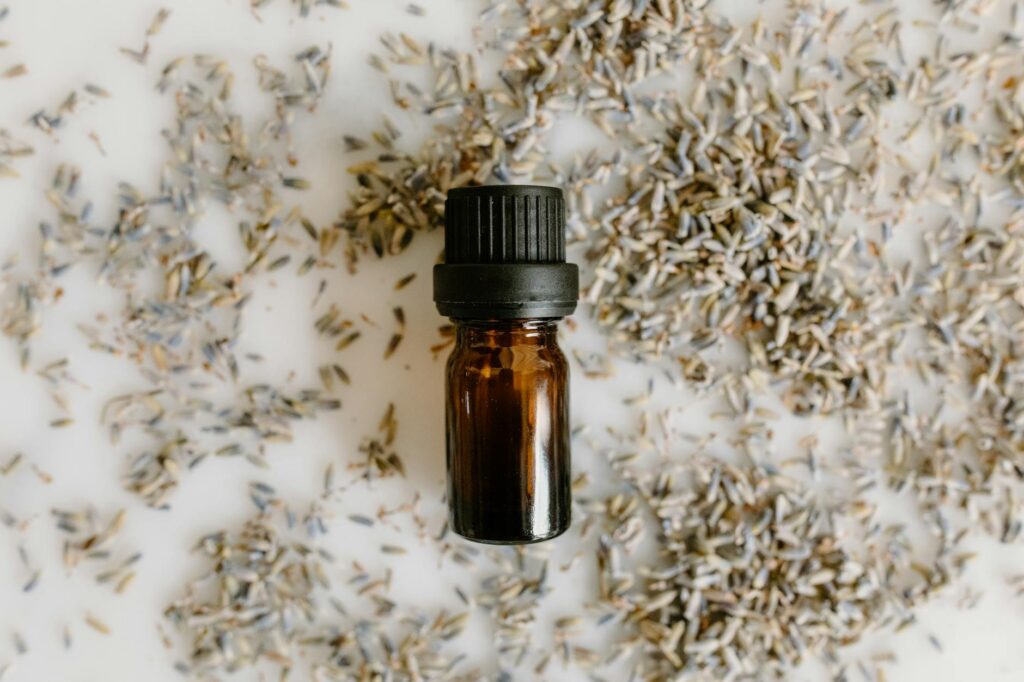
Aromatherapy Uses of Chia Seed Extract
Introduction
Aromatherapy is a holistic approach to wellness that utilizes the aromatic properties of essential oils and plant extracts. Among the lesser-known plant extracts used in this practice is chia seed extract, derived from the seeds of the Salvia hispanica plant. This article explores the various aspects of chia seed extract in the context of aromatherapy, including its benefits, common uses, and safety considerations.
What Is Chia Seed Extract?
Chia seed extract is obtained from the tiny, nutrient-rich seeds of the chia plant, native to Central and South America. These seeds are renowned for their high content of omega-3 fatty acids, antioxidants, fiber, and protein. The extraction process typically involves cold-pressing the seeds to retain their beneficial compounds, resulting in a concentrated oil that can be incorporated into various wellness applications, including aromatherapy.
Key Benefits and Properties
Chia seed extract exhibits several beneficial properties that make it a valuable addition to aromatherapy:
1. Rich in Omega-3 Fatty Acids: Chia seeds are one of the richest plant sources of omega-3 fatty acids, particularly alpha-linolenic acid (ALA). These fatty acids are known for their anti-inflammatory properties and support for overall skin health.
2. Antioxidant Properties: Chia seed extract contains a variety of antioxidants, including flavonoids and phenolic acids, which help neutralize free radicals and support cellular health.
3. Hydrating Qualities: The high fiber content in chia seeds allows them to absorb water, forming a gel-like substance that can help retain moisture. This property is beneficial for maintaining skin hydration.
4. Nutrient Dense: Chia seeds are packed with essential nutrients, including vitamins, minerals, and amino acids. This nutrient density contributes to overall wellness and vitality.
Common Uses
Chia seed extract is utilized in a variety of applications, including:
- Skin Care: Due to its hydrating and antioxidant properties, chia seed extract is often incorporated into lotions, creams, and serums aimed at promoting healthy skin.
- Hair Care: The nourishing qualities of chia seed extract can benefit hair health, making it a common ingredient in shampoos and conditioners designed to add moisture and shine.
- Dietary Supplements: The nutrient profile of chia seeds makes them a popular choice for supplements aimed at enhancing overall health and vitality.
- Food Products: Chia seed extract can be found in various food items, including smoothies, energy bars, and baked goods, as a source of healthy fats and fiber.
- Allergic Reactions: As with any natural product, individuals may have allergies or sensitivities to chia seed extract. A patch test is recommended before widespread use.
- Dilution: When using chia seed extract topically, it is essential to dilute it with a carrier oil to avoid skin irritation.
- Pregnancy and Nursing: Pregnant or nursing individuals should consult with a healthcare professional before using chia seed extract or any new essential oils.
- Consultation: Individuals with specific health conditions or those taking medications should consult a healthcare professional before incorporating chia seed extract into their wellness routine.
- Storage Conditions: Store chia seed extract in a cool, dark place, away from direct sunlight and heat. This prevents oxidation and preserves its beneficial properties.
- Container: Keep the extract in a dark glass bottle to protect it from light exposure. Ensure the container is tightly sealed to prevent air from entering.
- Shelf Life: When stored properly, chia seed extract can last for up to 12 months. However, it is advisable to check for any changes in smell, color, or consistency before use.
Aromatherapy Applications
In aromatherapy, chia seed extract can be used in several ways:
1. Diffusion
Chia seed extract can be blended with essential oils to create a harmonious aromatic experience. When diffused, it can enhance the therapeutic effects of the essential oils while adding a subtle nutty aroma.
2. Topical Application
When diluted in a carrier oil, chia seed extract can be applied topically to the skin. Its hydrating and nourishing properties make it suitable for use in massage oils, body butters, and lotions.
3. Bath Products
Incorporating chia seed extract into bath products such as bath oils or salts can provide a soothing and moisturizing experience. The extract can help soften the skin while the aroma of the essential oils promotes relaxation.
4. Hair Treatments
Chia seed extract can be blended into hair masks or conditioners, benefiting hair texture and scalp health. Its hydrating properties can help combat dryness and frizz.
5. Aromatherapy Inhalers
Chia seed extract can be used in conjunction with essential oils in inhalers, allowing users to experience the combined benefits of both the extract and the oils.
Safety Considerations
While chia seed extract is generally considered safe for use in aromatherapy, there are some important safety considerations:
Storage and Shelf Life
Proper storage is crucial for maintaining the quality and efficacy of chia seed extract:
Frequently Asked Questions
1. Can chia seed extract be used in cooking?
While chia seed extract is primarily used in aromatherapy and skincare, it is also safe for culinary applications. However, it may alter the flavor of dishes, so it should be used judiciously.
2. How do I know if I am allergic to chia seed extract?
If you have never used chia seeds or products containing chia, conduct a patch test by applying a small amount of diluted extract to a small area of skin and observing for any reactions over 24 hours.
3. Is chia seed extract suitable for all skin types?
Chia seed extract is generally well-tolerated by most skin types. Its hydrating properties make it particularly beneficial for dry or sensitive skin. However, individuals with oily or acne-prone skin should monitor their skin’s response.
4. Can I use chia seed extract in my essential oil blends?
Yes, chia seed extract can enhance essential oil blends, adding a unique aroma and hydrating properties. Ensure proper dilution to maintain skin safety.
5. What is the best way to incorporate chia seed extract into my routine?
Consider your individual needs and preferences. Whether you choose to use it in skincare, massage oils, or aromatherapy diffusers, find a method that aligns with your wellness goals.
Conclusion
Chia seed extract is a versatile and beneficial addition to the world of aromatherapy. Its rich nutrient profile, hydrating properties, and compatibility with essential oils make it a valuable resource for those seeking to enhance their wellness routines. By understanding its uses and safety considerations, individuals can effectively incorporate chia seed extract into their holistic practices, further enriching their journey toward well-being.