
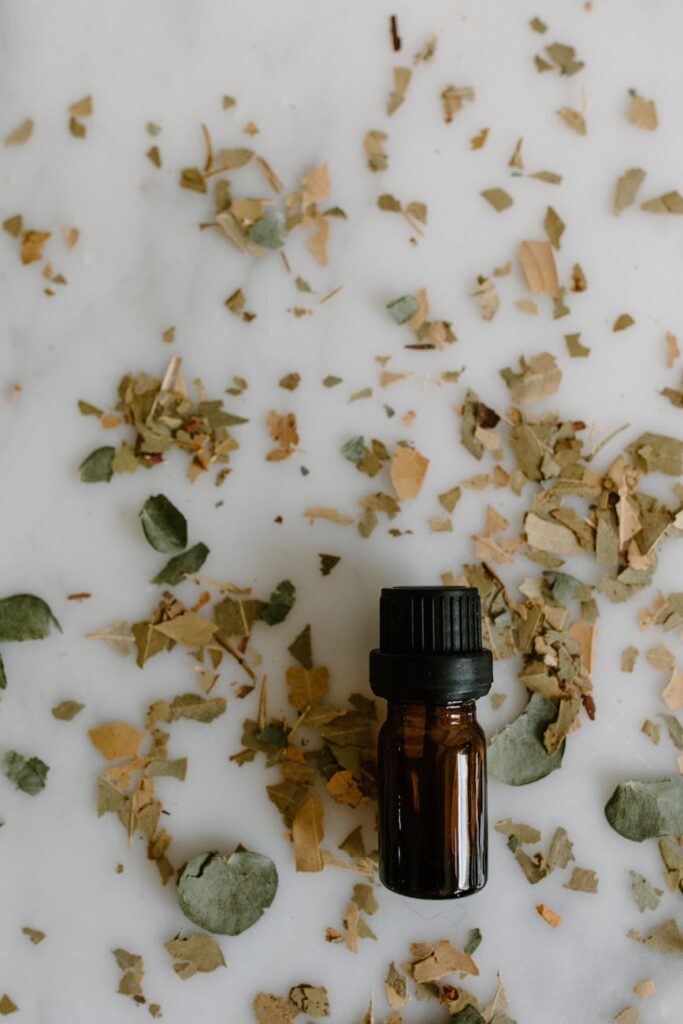
Aromatherapy Uses of Cinnamon Oil
Introduction
Cinnamon oil, derived from the bark or leaves of the cinnamon tree (Cinnamomum verum or Cinnamomum cassia), has been cherished for centuries for its aromatic and therapeutic properties. In the realm of aromatherapy, cinnamon oil is celebrated not only for its warm, spicy scent but also for its multifaceted applications. This article aims to provide a comprehensive overview of cinnamon oil, its benefits, common uses, and safety considerations, making it a valuable addition to any aromatherapy practice.
What Is Cinnamon Oil?
Cinnamon oil is an essential oil extracted from the bark or leaves of the cinnamon tree through steam distillation or cold pressing. The oil boasts a rich, sweet, and spicy aroma that evokes a sense of warmth and comfort. There are two primary types of cinnamon oil commonly used in aromatherapy: Ceylon cinnamon oil (Cinnamomum verum) and Cassia cinnamon oil (Cinnamomum cassia). Ceylon cinnamon, often referred to as “true cinnamon,” is considered to have a more delicate and sweeter fragrance compared to the stronger and spicier scent of Cassia cinnamon.
Key Benefits and Properties
Cinnamon oil is known for its numerous beneficial properties, which contribute to its popularity in aromatherapy. Some of these key benefits include:
1. Antimicrobial Properties: Cinnamon oil exhibits strong antibacterial and antifungal properties, making it a potential natural disinfectant.
2. Mood Enhancer: The warm and spicy aroma of cinnamon oil is believed to have mood-lifting effects, promoting feelings of comfort and happiness.
3. Stimulating Effects: Cinnamon oil is often regarded as a stimulant that can enhance mental clarity and concentration, making it a popular choice for study environments.
4. Anti-inflammatory Properties: Some studies have suggested that cinnamon oil may possess anti-inflammatory benefits, potentially aiding in relaxation when used in aromatherapy.
5. Digestive Support: While not a substitute for professional medical advice, the aroma of cinnamon is traditionally associated with digestive comfort and can be soothing during times of discomfort.
Common Uses
Cinnamon oil finds its way into various applications beyond aromatherapy. Some common uses include:
1. Diffusion: Adding cinnamon oil to a diffuser can help create a warm and inviting atmosphere, especially during colder months or festive occasions.
2. Scented Candles: The oil is often incorporated into scented candles, enhancing the overall ambiance of a space.
3. Homemade Cleaners: Due to its antimicrobial properties, cinnamon oil can be added to homemade cleaning solutions for a natural disinfectant effect.
4. Bath Products: Cinnamon oil is frequently included in bath oils and salts for a fragrant and soothing bathing experience.
5. Potpourri: The oil can be mixed into potpourri blends to enhance the aromatic profile of dried flower arrangements.
Aromatherapy Applications
In aromatherapy, cinnamon oil can be utilized in various ways to enhance well-being:
1. Diffusion
Using a diffuser, cinnamon oil can be combined with other essential oils such as clove or orange to create a cozy and uplifting ambiance. A few drops of cinnamon oil can be added to a water-based diffuser, releasing its warm aroma throughout a room. This method is ideal for promoting relaxation during meditation or creating a welcoming atmosphere for gatherings.
2. Inhalation
For a quick boost of energy or mood enhancement, inhaling the scent of cinnamon oil directly from the bottle or from a cotton ball can be effective. This method allows the individual to experience the oil’s stimulating properties rapidly.
3. Massage
When blended with a carrier oil, cinnamon oil can be used for massage. This application can provide both the aromatic and potential physical benefits of cinnamon oil. The warm sensation it produces upon application can enhance relaxation in muscle tension.
4. Bathing
Adding cinnamon oil to a warm bath can create a soothing and fragrant experience. A few drops mixed with a carrier oil or bath salts can help to elevate the bathing ritual, promoting relaxation and comfort.
5. Aromatherapy Blends
Cinnamon oil blends well with various other essential oils, such as clove, orange, and ginger. Creating personal aromatherapy blends can enhance specific moods or intentions, such as relaxation, focus, or warmth.
Safety Considerations
While cinnamon oil is widely regarded as safe for use in aromatherapy, it is essential to approach it with caution. Here are some safety considerations to keep in mind:
1. Dilution: Cinnamon oil is potent and should always be diluted with a carrier oil, such as jojoba or sweet almond oil, before topical application. A typical dilution ratio is 1-2 drops of essential oil per teaspoon of carrier oil.
2. Skin Sensitivity: Cinnamon oil can cause irritation or allergic reactions in some individuals. Conduct a patch test by applying a diluted drop on a small area of skin before broader use.
3. Pregnancy and Nursing: Pregnant or nursing individuals should consult with a healthcare provider before using cinnamon oil, as some essential oils may not be safe during these periods.
4. Children: Cinnamon oil should be used with caution around children. It is advisable to consult with a pediatrician before using essential oils in a child’s environment.
5. Avoiding Ingestion: Cinnamon oil should not be ingested unless under the guidance of a qualified professional. Essential oils are highly concentrated and can be toxic if consumed.
Storage and Shelf Life
To preserve the quality and efficacy of cinnamon oil, proper storage is crucial. Here are some guidelines:
1. Dark Glass Containers: Store cinnamon oil in a dark glass bottle to protect it from light, which can degrade its quality over time.
2. Cool, Dry Environment: Keep the oil in a cool, dry place away from direct sunlight and heat sources.
3. Shelf Life: Typically, cinnamon oil has a shelf life of 1-3 years when stored correctly. However, it’s advisable to check for any changes in aroma or consistency before use, as essential oils can degrade over time.
Frequently Asked Questions
1. Can cinnamon oil be used in cooking?
While cinnamon oil is an essential oil with culinary uses, it is highly concentrated and should not be used in cooking without proper guidance.
2. How can I incorporate cinnamon oil into my daily routine?
You can diffuse it in your living space, add it to your bath, or blend it into massage oils to enjoy its aromatic benefits.
3. Are there any contraindications for using cinnamon oil?
Individuals with sensitive skin, allergies, or certain health conditions should consult a healthcare provider before using cinnamon oil.
4. Is cinnamon oil safe for pets?
Cinnamon oil may not be safe for all pets, especially cats. It is best to consult a veterinarian before using essential oils in a pet’s environment.
5. How do I know if my cinnamon oil is pure?
Look for oils labeled as 100% pure and check for any additional ingredients. High-quality essential oils are usually sold in dark glass bottles and often come with a certificate of analysis.
Conclusion
Cinnamon oil is a versatile and fragrant addition to the world of aromatherapy, celebrated for its rich aroma and various potential benefits. By understanding its properties, common uses, and safety considerations, individuals can effectively incorporate cinnamon oil into their wellness routines. Whether through diffusion, massage, or simply enjoying its scent, cinnamon oil offers a warm and comforting experience that enhances both physical and emotional well-being.