
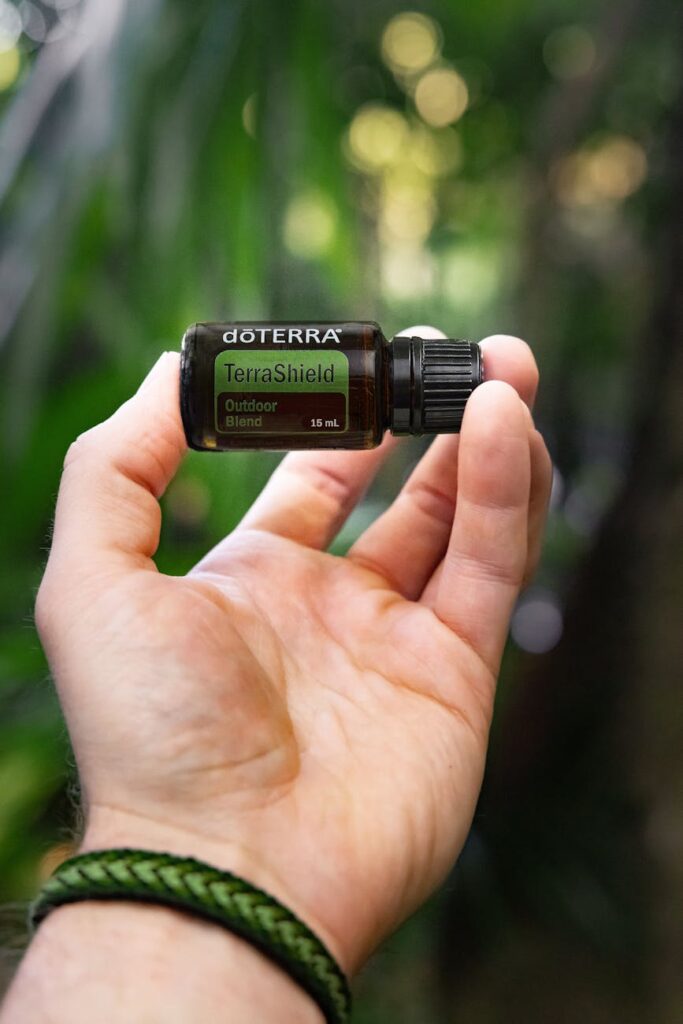
Aromatherapy Uses of Cleansing Blends
Introduction
Aromatherapy, the practice of using essential oils for therapeutic purposes, has gained significant popularity in recent years. One of the fascinating aspects of aromatherapy is the use of cleansing blends—combinations of essential oils designed to purify, refresh, and rejuvenate the environment and the spirit. This article explores the nature of cleansing blends, their benefits, common uses, and safety considerations, offering a comprehensive understanding of how these blends can enhance your well-being.
What Is Cleansing Blends?
Cleansing blends are specific formulations of essential oils that are intended to cleanse both physical spaces and emotional states. These blends typically include oils known for their purifying properties, such as Lemon, Tea Tree, Eucalyptus, and Lavender. Each oil contributes unique characteristics to the blend, enhancing its overall efficacy.
The concept behind cleansing blends is rooted in the idea that certain scents can influence mood, energy levels, and even the quality of the air we breathe. By combining various essential oils, practitioners can create a synergistic effect that amplifies the cleansing properties of each individual oil.
Key Benefits and Properties
The key benefits of cleansing blends largely stem from the individual properties of the essential oils used in their formulation. Some notable benefits include:
- Purification: Many essential oils possess antibacterial, antiviral, and antifungal properties, making them effective in cleansing both the air and surfaces.
- Mood Enhancement: Cleansing blends often include uplifting oils that can help to elevate mood and reduce feelings of stress and anxiety.
- Mental Clarity: Certain oils, such as Peppermint and Rosemary, are known to promote mental clarity and focus, making cleansing blends effective for enhancing concentration.
- Respiratory Support: Oils like Eucalyptus and Tea Tree can support respiratory function, making them particularly beneficial when diffused in living spaces.
- Emotional Balance: Cleansing blends can help to ground and center emotions, providing a sense of calm and stability.
- Dilution: Always dilute essential oils with a carrier oil before applying them to the skin. This reduces the risk of irritation or allergic reactions.
- Skin Sensitivity: Conduct a patch test on a small area of skin to check for any adverse reactions. If irritation occurs, discontinue use immediately.
- Pregnancy and Nursing: Pregnant or nursing individuals should consult a qualified healthcare provider before using essential oils.
- Children and Pets: Some essential oils can be harmful to children and pets. Always research the safety of specific oils before use in households with children and animals.
- Storage: Keep essential oils out of reach of children and pets to prevent accidental ingestion.
Common Uses
Cleansing blends can be utilized in various ways, making them versatile tools in aromatherapy. Here are some common applications:
1. Room Diffusion: Adding cleansing blends to a diffuser can purify the air and create a refreshing atmosphere. This is particularly useful during cold and flu seasons.
2. Surface Cleaning: Many cleansing blends can be diluted with a carrier oil or water and used as natural cleaning agents for countertops and other surfaces.
3. Bath Soaks: Adding a few drops of a cleansing blend to a warm bath can create a spa-like experience, providing both physical and emotional cleansing.
4. Inhalation: Inhaling the scent of cleansing blends directly from the bottle or through a tissue can provide immediate benefits, particularly for mental clarity and stress relief.
5. Personal Care Products: Cleansing blends can be incorporated into homemade skincare products, such as soaps and lotions, offering both cleansing properties and pleasant scents.
Aromatherapy Applications
The application of cleansing blends can vary depending on individual preferences and the desired outcome. Here are some popular methods of application:
Diffusion
Diffusing essential oils is one of the most common methods of aromatherapy. To create a cleansing atmosphere, simply add a few drops of your chosen cleansing blend to a diffuser filled with water. The gentle vapor will disperse the scent throughout the room, purifying the air while promoting a sense of well-being.
Topical Application
For topical use, blending essential oils with a carrier oil—such as Jojoba, Coconut, or Olive oil—is essential. This can be done by mixing a few drops of the cleansing blend with the carrier oil and applying it to pulse points or areas of concern. Always conduct a patch test first to ensure there are no adverse reactions.
Inhalation
Inhalation is a quick way to enjoy the benefits of cleansing blends. Place a few drops of the blend on a cotton ball or tissue and inhale deeply. This method is particularly effective for immediate stress relief or to clear the mind.
Bathing
For a luxurious cleansing experience, add several drops of your cleansing blend to a warm bath. The steam from the water will carry the essential oils, allowing for both physical and emotional cleansing.
Safety Considerations
While cleansing blends are generally safe for use, there are several important safety considerations to keep in mind:
Storage and Shelf Life
The shelf life of essential oils can vary depending on the type of oil and the storage conditions. Generally, essential oils should be stored in a cool, dark place, away from direct sunlight and heat. Properly stored, most oils can last for several years, though citrous oils like Lemon and Sweet Orange may have shorter shelf lives, typically ranging from one to two years.
It’s essential to keep essential oils in tightly sealed, dark glass bottles to prevent oxidation and degradation. Always check for any changes in color, consistency, or scent before use, as these can indicate spoilage.
Frequently Asked Questions
1. Can I create my own cleansing blend?
Yes, creating your own cleansing blend is possible and can be a rewarding experience. Start with a base of one or two oils known for their cleansing properties, and then add complementary oils to enhance the scent and benefits.
2. How many oils should I use in a cleansing blend?
A good rule of thumb is to use three to five essential oils in a blend. This allows for a balanced mix without overwhelming the senses.
3. Are cleansing blends effective for eliminating odors?
Cleansing blends can be effective at neutralizing odors, especially those caused by bacteria or mold. Oils like Lemon, Eucalyptus, and Tea Tree are particularly known for their deodorizing effects.
4. Can I use cleansing blends in my skincare routine?
Yes, cleansing blends can be incorporated into skincare routines, but it’s crucial to dilute them properly and conduct a patch test beforehand.
5. How often can I use cleansing blends?
Cleansing blends can be used daily or as needed, depending on individual preferences and sensitivities. Listen to your body and adjust usage accordingly.
Conclusion
Cleansing blends in aromatherapy offer a multitude of benefits, from purifying the air to enhancing emotional well-being. By understanding their properties, applications, and safety considerations, individuals can effectively incorporate these blends into their daily routines. Whether through diffusion, topical application, or bathing, cleansing blends provide a natural and holistic approach to enhancing the quality of life.