
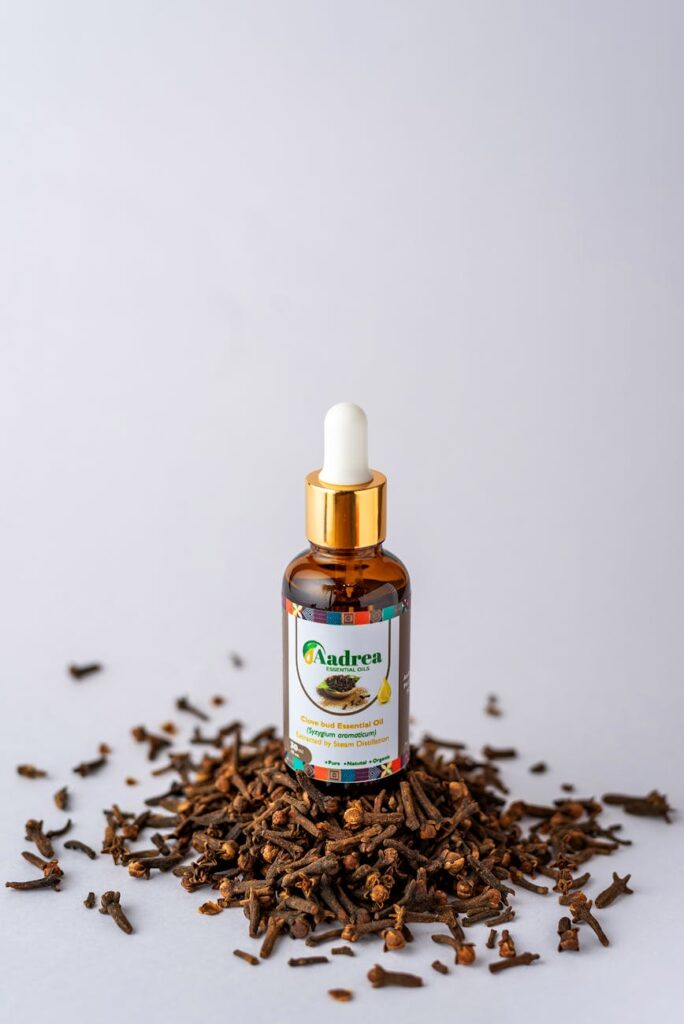
Aromatherapy Uses of Clove Extract
Introduction
Aromatherapy, a holistic healing practice that utilizes aromatic plant extracts, has gained popularity for its potential therapeutic benefits. Among a plethora of essential oils, clove extract stands out due to its rich history and numerous applications. This article delves into clove extract, its properties, benefits, and practical applications within the realm of aromatherapy.
What Is Clove Extract?
Clove extract is derived from the dried flower buds of the Syzygium aromaticum tree, native to the Maluku Islands in Indonesia. The extraction process typically involves steam distillation, yielding a potent essential oil known for its warm, spicy aroma. Clove has been used for centuries in various cultures for culinary, medicinal, and aromatic purposes.
The primary component of clove oil is eugenol, which constitutes approximately 70-90% of the oil’s composition. This compound is responsible for many of clove’s distinctive properties and is a significant factor in its wide array of uses.
Key Benefits and Properties
Clove extract is renowned for several key benefits, owing to its diverse chemical composition:
1. Antioxidant Properties: Clove extract is rich in antioxidants, which help combat oxidative stress in the body. Antioxidants are crucial for neutralizing harmful free radicals.
2. Anti-inflammatory Effects: Eugenol, the main component of clove oil, possesses anti-inflammatory properties that may help reduce inflammation in various contexts.
3. Antimicrobial Activity: Clove extract has demonstrated antimicrobial properties, making it effective against various bacteria and fungi.
4. Analgesic Qualities: Historically, clove oil has been used for its pain-relieving properties, particularly in dental applications.
5. Mood Enhancer: The warm, spicy aroma of clove is often associated with feelings of comfort and warmth, contributing to its use in mood-enhancing applications.
Common Uses
Clove extract is versatile and can be employed in numerous contexts:
- Culinary Uses: Clove is a popular spice in various cuisines, adding flavor to dishes, beverages, and baked goods.
- Traditional Medicine: In some cultures, clove has been used to alleviate digestive issues and toothaches, among other ailments.
- Household Uses: Clove oil serves as a natural insect repellent and can be utilized in cleaning products due to its antimicrobial properties.
- Perfumes and Fragrances: The distinct aroma of clove makes it a common ingredient in perfumes and scented products.
- Dilution: Always dilute clove oil with a carrier oil before applying it to the skin, as it can be irritating in its concentrated form.
- Patch Test: Conduct a patch test to check for any allergic reactions before using it topically.
- Pregnancy and Nursing: Pregnant or nursing individuals should consult with a healthcare professional before using clove essential oil.
- Medical Conditions: Those with specific health conditions or those on medication should seek advice from a qualified practitioner prior to using clove extract.
- Storage: Ensure clove oil is stored in a cool, dark place to maintain its potency and effectiveness.
Aromatherapy Applications
In aromatherapy, clove extract can be integrated into various practices for its beneficial properties. Here are some common applications:
1. Diffusion
Clove oil can be added to a diffuser to disperse its warm, spicy aroma throughout a room. This method is popular for creating a cozy atmosphere and may help enhance mood and alleviate stress.
2. Massage
When diluted with a carrier oil, clove extract can be used in massage therapies. Its analgesic and anti-inflammatory properties may provide relief for sore muscles and joints.
3. Bathing
Adding a few drops of clove oil to a warm bath can create a soothing experience. This method not only allows for relaxation but also enables the skin to absorb some of the beneficial properties of the oil.
4. Inhalation
Clove oil can be inhaled directly or indirectly to harness its aromatic benefits. This practice can be beneficial for promoting mental clarity and focus.
5. Homemade Products
Clove extract can be incorporated into DIY products such as candles, soaps, and personal care items. Its antimicrobial properties make it a valuable addition to formulations aimed at enhancing hygiene and wellness.
Safety Considerations
While clove extract is generally considered safe for aromatic use, a few precautions should be taken:
Storage and Shelf Life
Clove extract should be stored in a cool, dark environment, preferably in a tightly sealed glass container to protect it from light and air exposure. When stored correctly, clove essential oil has a shelf life of approximately 2-3 years. However, it is essential to check for any changes in aroma, consistency, or color, which may indicate degradation.
Frequently Asked Questions
1. Can I use clove extract in cooking?
Yes, clove extract is commonly used as a culinary spice. However, when using essential oils in food, it is crucial to ensure that the oil is food-grade and to use it in moderation.
2. Can clove oil cause skin irritation?
Clove oil can be irritating in its concentrated form, so it is essential to dilute it with a carrier oil before applying it to the skin. Conduct a patch test prior to widespread use.
3. Is clove extract safe for children?
Caution is advised when using clove essential oil around children. Consult with a healthcare professional for guidance on age-appropriate use.
4. How can I incorporate clove oil into my skincare routine?
Clove oil can be added to skincare products, but it should always be diluted with a carrier oil. It may be beneficial for its antimicrobial properties, but a patch test is advised.
5. What are some alternatives to clove extract in aromatherapy?
If you are looking for alternatives, consider essential oils like cinnamon, nutmeg, or ginger, which offer similar warm, spicy aromas and properties.
Conclusion
Clove extract is a multifaceted essential oil with a rich history and numerous applications in aromatherapy. From its antioxidant and antimicrobial properties to its warm and comforting aroma, clove oil serves as a valuable addition to holistic practices. By understanding its uses and safety considerations, individuals can effectively incorporate clove extract into their wellness routines, enhancing both physical and emotional well-being.