
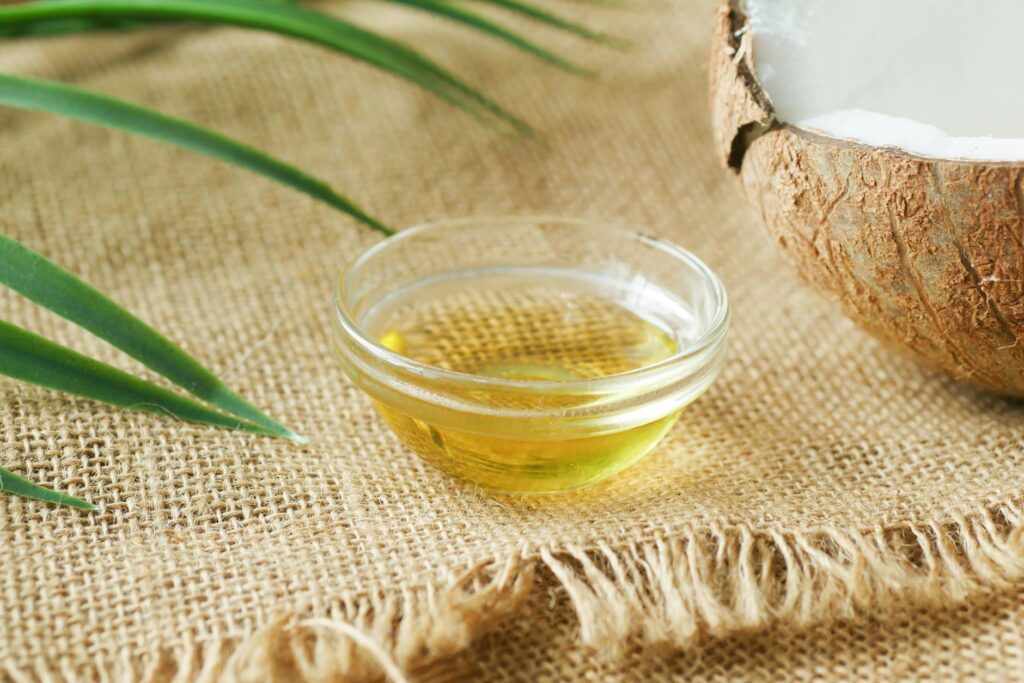
Aromatherapy Uses of Coconut Cream Oil
Introduction
Coconut cream oil has gained significant attention in recent years, particularly in the realm of aromatherapy and natural wellness. This versatile oil, derived from the flesh of mature coconuts, is celebrated not only for its delightful fragrance but also for its numerous benefits and applications. In this article, we will explore what coconut cream oil is, its key benefits, common uses, and its role in aromatherapy, while also addressing safety considerations and storage tips.
What Is Coconut Cream Oil?
Coconut cream oil is a natural oil extracted from the flesh of mature coconuts. Unlike virgin coconut oil, which is cold-pressed and retains a higher concentration of nutrients, coconut cream oil is typically produced by blending coconut flesh with water and then extracting the oil through various methods, including centrifugation or pressing. This process results in a richly aromatic oil that retains some of the creamy texture and sweet scent of fresh coconut.
Coconut cream oil is often used in cooking, skincare, haircare, and, importantly, aromatherapy. Its distinct tropical aroma can create a calming and uplifting atmosphere, making it a popular choice for diffusers and personal care products.
Key Benefits and Properties
Coconut cream oil possesses several properties that make it a valuable addition to aromatherapy practices:
- Moisturizing: The oil is known for its emollient properties, making it an excellent moisturizer for the skin. It helps maintain hydration and can create a protective barrier against environmental stressors.
- Antioxidant-Rich: Coconut cream oil contains antioxidants that help combat free radicals, which can lead to premature aging and skin damage.
- Anti-Inflammatory: The oil has anti-inflammatory properties that may help soothe irritated skin and reduce redness.
- Antimicrobial: Some studies suggest that coconut oil may have antimicrobial properties, making it beneficial for maintaining skin health.
- Aromatic Profile: The sweet, tropical scent of coconut cream oil can evoke feelings of relaxation and happiness, making it an ideal candidate for aromatherapy applications.
- Allergic Reactions: Some individuals may be allergic to coconut products. It is advisable to perform a patch test before using coconut cream oil extensively on the skin.
- Essential Oil Dilution: When using coconut cream oil as a carrier oil for essential oils, it is important to adhere to recommended dilution ratios to avoid skin irritation.
- Storage Conditions: Store coconut cream oil in a cool, dark place to prevent it from becoming rancid. Always check for any off smells or changes in texture before use.
- Consultation: If you are pregnant, nursing, or have any medical conditions, consult a healthcare professional before incorporating new products into your routine.
Common Uses
Coconut cream oil is versatile and can be used in various ways:
1. Skincare: It is frequently used as a moisturizer for dry skin, as a base for homemade skincare products, and as a massage oil.
2. Haircare: Coconut cream oil can help nourish and hydrate hair, making it a popular choice for hair masks and conditioners.
3. Culinary Uses: While the focus of this article is on aromatherapy, it’s worth noting that coconut cream oil is also used in cooking, lending a rich flavor to dishes.
4. Aromatherapy Blends: It can serve as a carrier oil for essential oils, enhancing their absorption and efficacy.
Aromatherapy Applications
1. Diffusion
One of the most common ways to use coconut cream oil in aromatherapy is through diffusion. Adding a few drops to a diffuser can fill a room with its sweet aroma, creating a calming environment. It can also be blended with essential oils such as lavender, peppermint, or citrus oils to enhance the aromatic experience.
2. Massage
Coconut cream oil can be used as a base for massage oils. Its moisturizing properties help glide over the skin, while its pleasant scent can enhance relaxation during the massage. Mixing it with essential oils like eucalyptus or rosemary can create a soothing blend that promotes stress relief and muscle relaxation.
3. Skin Care
Incorporating coconut cream oil into skincare routines can offer numerous benefits. It can be mixed with essential oils to create custom lotions or balms that target specific skin issues. For example, combining coconut cream oil with tea tree oil may help address minor skin irritations.
4. Bathing Rituals
Adding coconut cream oil to bathwater can create a luxurious bathing experience. Its moisturizing properties help hydrate the skin, while the aroma promotes relaxation. Combining it with essential oils such as chamomile or ylang-ylang can enhance the soothing effects.
5. Personal Fragrance
Coconut cream oil can be used as a natural personal fragrance. Its delightful scent can be worn alone or blended with essential oils to create a signature scent. This offers a chemical-free alternative to conventional perfumes.
Safety Considerations
While coconut cream oil is generally considered safe for most individuals, it is essential to keep in mind a few precautions:
Storage and Shelf Life
Coconut cream oil should be stored in a cool, dark place to maintain its quality. Exposure to light and heat can lead to the degradation of the oil, affecting its aroma and properties. When stored correctly in a well-sealed container, coconut cream oil can typically last for up to two years. Always check for signs of rancidity, such as an off odor or a change in texture.
Frequently Asked Questions
Q1: Is coconut cream oil the same as coconut oil?
Coconut cream oil and coconut oil are not the same. Coconut cream oil is derived from the flesh of the coconut and has a richer aroma and texture, while coconut oil is extracted from the dried coconut meat (copra) or fresh coconut flesh, often through cold-pressing.
Q2: Can I use coconut cream oil in a diffuser?
Yes, coconut cream oil can be used in a diffuser. It can be blended with essential oils to create a fragrant atmosphere, promoting relaxation and well-being.
Q3: Is coconut cream oil suitable for all skin types?
While coconut cream oil is generally well-tolerated, individuals with oily or acne-prone skin should exercise caution, as it may clog pores for some people. Always perform a patch test before using it on larger areas of skin.
Q4: Can I ingest coconut cream oil?
This article focuses on the aromatherapy uses of coconut cream oil, and it is not intended as medical advice. For culinary uses, always ensure that the oil is food-grade quality and consult a qualified professional for dietary recommendations.
Q5: How can I incorporate coconut cream oil into my self-care routine?
Coconut cream oil can be added to your skincare routine as a moisturizer, used in hair treatments, or blended with essential oils for massage or aromatherapy. Its versatility allows for numerous applications in self-care practices.
Conclusion
Coconut cream oil is a delightful and versatile oil that holds numerous benefits for aromatherapy and personal care. From its moisturizing properties to its sweet, tropical aroma, it offers a unique experience that can enhance relaxation and well-being. By understanding its uses, benefits, and safety considerations, individuals can effectively incorporate coconut cream oil into their daily routines, discovering new ways to enjoy its many advantages.