
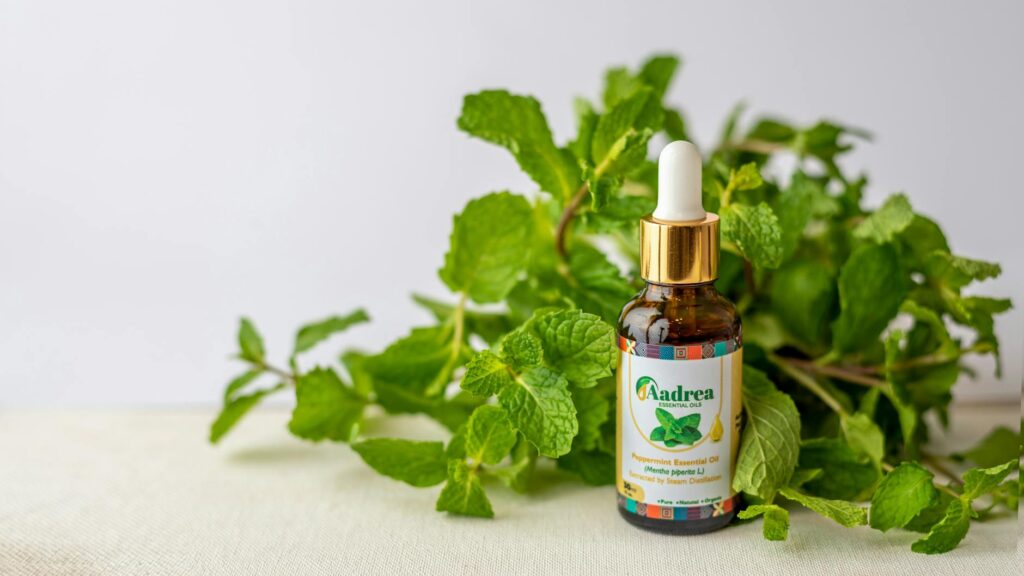
Aromatherapy Uses of Cold Infused Oils
Introduction
Aromatherapy, the practice of using aromatic plant extracts for therapeutic purposes, has gained significant popularity in recent years. One of the intriguing aspects of this practice is the use of cold infused oils. These oils not only carry the essence of various botanicals but also offer a range of benefits for both physical and mental well-being. This article delves into the world of cold infused oils, exploring their definition, benefits, common uses, and applications in aromatherapy.
What Is Cold Infused Oils?
Cold infused oils are created by extracting the properties of herbs, flowers, or other plant materials into a carrier oil without the use of heat. This process preserves the delicate compounds of the botanicals, making it an effective method for capturing their aromatic and therapeutic qualities. Common carrier oils used in cold infusion include olive oil, almond oil, jojoba oil, and grapeseed oil.
The cold infusion process typically involves the following steps:
1. Selection of Botanicals: Choose fresh or dried herbs, flowers, or spices that you wish to infuse.
2. Preparation: Chop or bruise the plant material to increase the surface area for extraction.
3. Infusion: Place the botanicals in a clean jar and cover them with your chosen carrier oil. Seal the jar tightly.
4. Steeping: Allow the mixture to steep in a cool, dark place for several weeks, shaking it occasionally to mix the contents.
5. Straining: After the infusion period, strain the oil through a fine mesh or cheesecloth to remove solid particles, resulting in a clear infused oil.
This method not only captures the aroma and essence of the plants but also allows their beneficial properties to be transferred into the oil.
Key Benefits and Properties
Cold infused oils possess a variety of benefits and properties, making them valuable in both culinary and therapeutic applications. Some of the key benefits include:
- Preservation of Nutrients: The cold infusion process helps maintain the integrity of sensitive compounds, including essential oils, vitamins, and antioxidants present in the botanicals.
- Enhanced Aroma: The resulting infused oil carries the aromatic profile of the infused botanicals, adding depth and richness to its scent.
- Therapeutic Qualities: Depending on the plant materials used, cold infused oils can exhibit anti-inflammatory, antimicrobial, or calming properties, among others.
- Versatility: These oils can be used in a variety of ways, from massage oils to culinary applications, making them a versatile addition to any wellness routine.
- Culinary Applications: Infused oils can enhance the flavor of dishes, dressings, and marinades. For example, garlic-infused olive oil can add a robust flavor to pasta dishes, while herb-infused oils can elevate salads and grilled vegetables.
- Skincare: Many infused oils are used in skincare formulations, providing nourishment and hydration to the skin. Lavender-infused oil, for instance, is often used for its soothing properties.
- Massage: Cold infused oils make excellent massage oils, as they can glide smoothly over the skin and deliver the soothing aromas of the botanicals.
- Home Fragrance: These oils can be used in diffusers, candles, or potpourri to create aromatic environments.
- Topical Application: Infused oils can be applied directly to the skin (diluted with a carrier oil if necessary) to benefit from their aromatic and therapeutic properties. For example, chamomile-infused oil may be used to soothe irritated skin or promote relaxation.
- Diffusion: While cold infused oils can be used in diffusion, it is essential to note that they may not disperse as effectively as essential oils. However, they can still provide a pleasant scent when mixed with a few drops of essential oils.
- Bathing: Adding a few drops of infused oil to a warm bath can enhance the bathing experience, creating a relaxing atmosphere while nourishing the skin.
- Inhalation: For emotional support, inhaling the aroma of cold infused oils can be beneficial. A simple method involves placing a few drops on a tissue or in a personal inhaler.
- Allergies: Always conduct a patch test before applying a new infused oil to the skin to check for allergies or sensitivities.
- Dilution: When using infused oils for topical application, consider diluting them with a carrier oil, especially for sensitive skin.
- Pregnancy and Nursing: Some botanicals may not be safe for use during pregnancy or nursing. It is advisable to consult with a healthcare professional before using any infused oils in these circumstances.
- Quality of Ingredients: Use high-quality, organic botanicals and carrier oils to ensure the best results and minimize exposure to pesticides or other harmful substances.
- Cool, Dark Place: Store infused oils in a cool, dark place, away from direct sunlight and heat sources. A pantry or cupboard is often ideal.
- Glass Containers: Use dark glass bottles to protect the oils from light degradation. Amber or cobalt blue bottles are preferable.
- Shelf Life: Cold infused oils typically have a shelf life of 6 months to 1 year, depending on the carrier oil used and the type of botanicals infused. Always check for any signs of rancidity or off-smells before use.
Common Uses
Cold infused oils have a multitude of uses across various fields, including:
Aromatherapy Applications
In the realm of aromatherapy, cold infused oils offer unique opportunities for practitioners and enthusiasts alike. Here are some common applications:
Safety Considerations
While cold infused oils are generally safe for use, it is essential to consider the following safety precautions:
Storage and Shelf Life
Proper storage of cold infused oils is crucial to maintaining their quality and extending their shelf life. Here are some tips:
Frequently Asked Questions
1. How long does it take to make cold infused oils?
The infusion process usually takes anywhere from 2 to 6 weeks, depending on the botanicals used and the desired strength of the infusion.
2. Can I use any plant material for infusion?
While many herbs and flowers are suitable for cold infusion, it is advisable to avoid toxic plants. Always conduct research on the specific plants you wish to use.
3. Can I mix different botanicals in one infused oil?
Yes, combining different botanicals can create unique scents and synergistic properties. However, it is essential to ensure that the chosen plants complement each other.
4. Are cold infused oils the same as essential oils?
No, cold infused oils are not the same as essential oils. Essential oils are concentrated extracts obtained through steam distillation or cold pressing, while cold infused oils are made by steeping botanicals in a carrier oil.
5. Can I use cold infused oils in cooking?
Yes, many cold infused oils are safe and delicious for culinary uses, provided that the botanicals used are food-safe.
Conclusion
Cold infused oils represent a beautiful intersection of nature and wellness, offering an array of aromatic and therapeutic benefits. Their versatility makes them a valuable addition to both culinary and aromatic practices. By understanding their properties, uses, and safety considerations, individuals can fully appreciate the art of cold infusion in their aromatherapy journey. Whether used in skincare, cooking, or simply for enjoyment, these oils capture the essence of the botanical world and bring it into everyday life.