
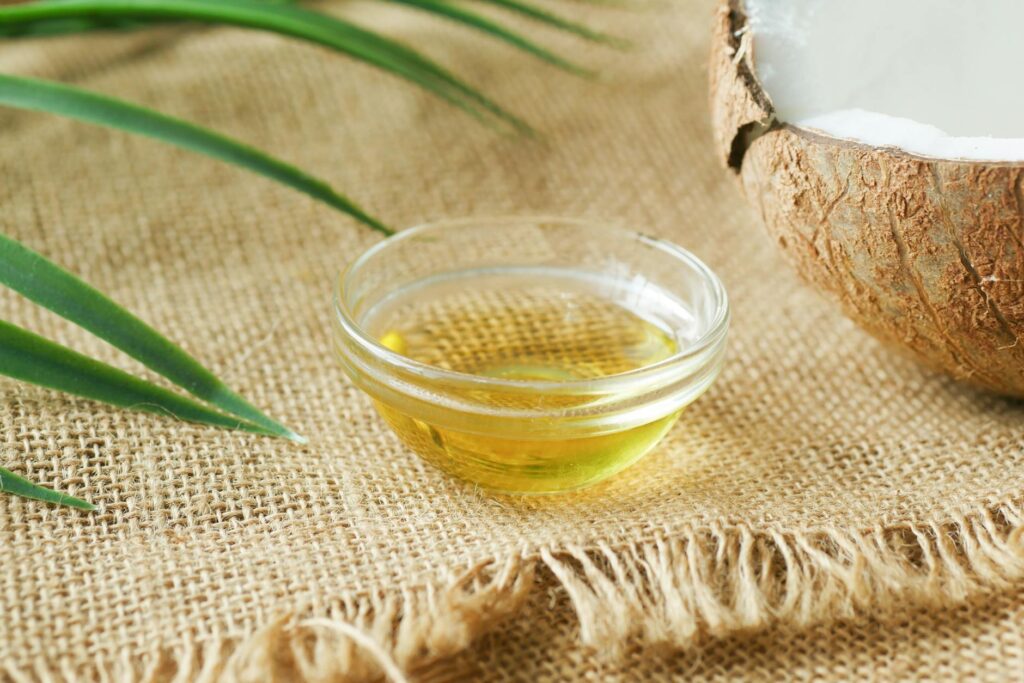
Aromatherapy Uses of Cold-Pressed Coconut Oil
Introduction
Aromatherapy, the practice of using essential oils for therapeutic purposes, has gained considerable popularity in recent years, thanks to its potential benefits for physical and emotional well-being. Among the various carrier oils used in this practice, cold-pressed coconut oil stands out due to its unique properties and versatility. This article delves into cold-pressed coconut oil, exploring its benefits, common uses, and applications in aromatherapy.
What Is Cold-Pressed Coconut Oil?
Cold-pressed coconut oil is extracted from fresh coconut meat using a mechanical process that does not involve heat. This method preserves the oil’s natural nutrients, flavor, and aroma, making it a preferred choice for culinary and cosmetic applications alike. Unlike refined coconut oil, which undergoes processing and often loses some of its beneficial properties, cold-pressed coconut oil maintains its rich composition of fatty acids, antioxidants, and vitamins.
The oil is typically extracted from mature coconuts, also known as “copra.” These coconuts are harvested, grated, and pressed to release the oil, which can then be filtered to remove any impurities. The result is a pure, unrefined oil that retains its natural essence and nutritional profile.
Key Benefits and Properties
Cold-pressed coconut oil is renowned for its various beneficial properties:
1. Moisturizing Abilities
Rich in medium-chain fatty acids, particularly lauric acid, cold-pressed coconut oil is an excellent moisturizer for skin and hair. It helps to hydrate, nourish, and protect against dryness, making it a popular ingredient in skincare products.
2. Antioxidant Properties
The oil contains antioxidants that help neutralize free radicals in the body, potentially reducing oxidative stress and promoting overall health. Antioxidants play a crucial role in protecting the skin from environmental damage.
3. Antimicrobial Effects
Coconut oil has been studied for its antimicrobial properties, which may help protect the skin from certain bacteria, fungi, and viruses. Lauric acid in particular is known for its ability to inhibit the growth of harmful microorganisms.
4. Non-Comedogenic
Cold-pressed coconut oil is non-comedogenic, meaning it is less likely to clog pores compared to other oils. This property makes it suitable for various skin types, including oily and acne-prone skin.
5. Natural Scent
The natural aroma of cold-pressed coconut oil is pleasant and subtly sweet, making it an appealing base for blending with essential oils in aromatherapy.
Common Uses
Cold-pressed coconut oil is versatile and can be used in various applications:
1. Skincare
It serves as an effective moisturizer, makeup remover, and skin protector. Many people use it as an ingredient in homemade lotions and creams.
2. Haircare
Cold-pressed coconut oil can be used as a conditioner or hair mask, providing hydration and shine to dry or damaged hair.
3. Cooking
In culinary arts, cold-pressed coconut oil can be used for frying, baking, or as a salad dressing due to its high smoke point and delightful flavor.
4. Massage Oil
Its smooth texture and nourishing properties make it an ideal choice for massage, either on its own or blended with essential oils.
Aromatherapy Applications
In aromatherapy, cold-pressed coconut oil acts as a carrier, diluting essential oils for safe application on the skin. Here are some common ways to integrate it into aromatherapy practices:
1. Essential Oil Blends
When blending essential oils, cold-pressed coconut oil can help enhance the absorption of the oils into the skin while also providing its own beneficial properties. Typical blends might include oils like lavender for relaxation or tea tree oil for its purifying effects.
2. Diffusion
While coconut oil is not typically used in diffusers, it can be applied topically after being diffused in the air to enhance the effects of the essential oils.
3. Bath Additive
Adding a few drops of essential oils mixed with cold-pressed coconut oil to a warm bath can create a relaxing and aromatic experience, allowing for both skin nourishment and therapeutic benefits.
4. Aromatherapy Rollers
Creating roll-on blends with cold-pressed coconut oil is simple and effective. Mix essential oils with the carrier oil in a roller bottle for easy application on pulse points, providing both aroma and skin benefits.
Safety Considerations
While cold-pressed coconut oil is generally safe for topical use, it is important to consider the following:
1. Patch Test
Before applying any new oil or essential oil blend to the skin, performing a patch test is recommended. Apply a small amount to a discreet area and monitor for any adverse reactions.
2. Essential Oil Dilution
Essential oils are highly concentrated and should be diluted appropriately before topical application. A common ratio is 2-3 drops of essential oil per teaspoon of carrier oil.
3. Allergies
Individuals with known allergies to coconuts should avoid using coconut oil. Additionally, those with sensitive skin conditions should consult with a healthcare provider before use.
4. Ingestion
While cold-pressed coconut oil is safe for culinary use, it is essential to use caution when mixing it with essential oils, as not all essential oils are safe for ingestion.
Storage and Shelf Life
To maintain the quality of cold-pressed coconut oil, proper storage is essential:
1. Cool, Dark Place
Store the oil in a cool, dark place away from direct sunlight and heat sources. This helps to preserve its beneficial properties and prevent rancidity.
2. Airtight Container
Using an airtight container can help protect the oil from exposure to air and moisture, which can lead to degradation.
3. Shelf Life
Cold-pressed coconut oil typically has a shelf life of 18 months to 2 years if stored correctly. However, it is advisable to check for any off odors or discoloration before use.
Frequently Asked Questions
1. Can I use cold-pressed coconut oil for all skin types?
Yes, cold-pressed coconut oil is generally suitable for various skin types, including dry, oily, and sensitive skin. However, individuals with specific skin concerns should perform a patch test before full application.
2. How do I choose the right essential oils to blend with coconut oil?
Select essential oils based on your desired outcome, such as relaxation, energizing, or skin benefits. Popular options include lavender for calming effects and eucalyptus for respiratory support.
3. Is cold-pressed coconut oil safe for children?
Cold-pressed coconut oil is generally safe for topical use in children, but it is advisable to consult with a healthcare provider for specific recommendations and essential oil usage.
4. Can I use cold-pressed coconut oil in my diffuser?
While cold-pressed coconut oil is not typically used in diffusers, it can be added to carrier oil blends for topical application after diffusing.
5. How do I know if my cold-pressed coconut oil is of high quality?
Look for organic certification, cold-pressed labeling, and minimal processing to ensure the quality of the coconut oil. High-quality oil should have a fresh coconut scent and a light texture.
Conclusion
Cold-pressed coconut oil is a valuable component of aromatherapy, offering numerous benefits and versatile applications. Its moisturizing properties, pleasant aroma, and compatibility with essential oils make it a popular choice for both personal care and therapeutic practices. By understanding its uses, benefits, and proper storage methods, individuals can enjoy the full range of advantages this remarkable oil has to offer.