
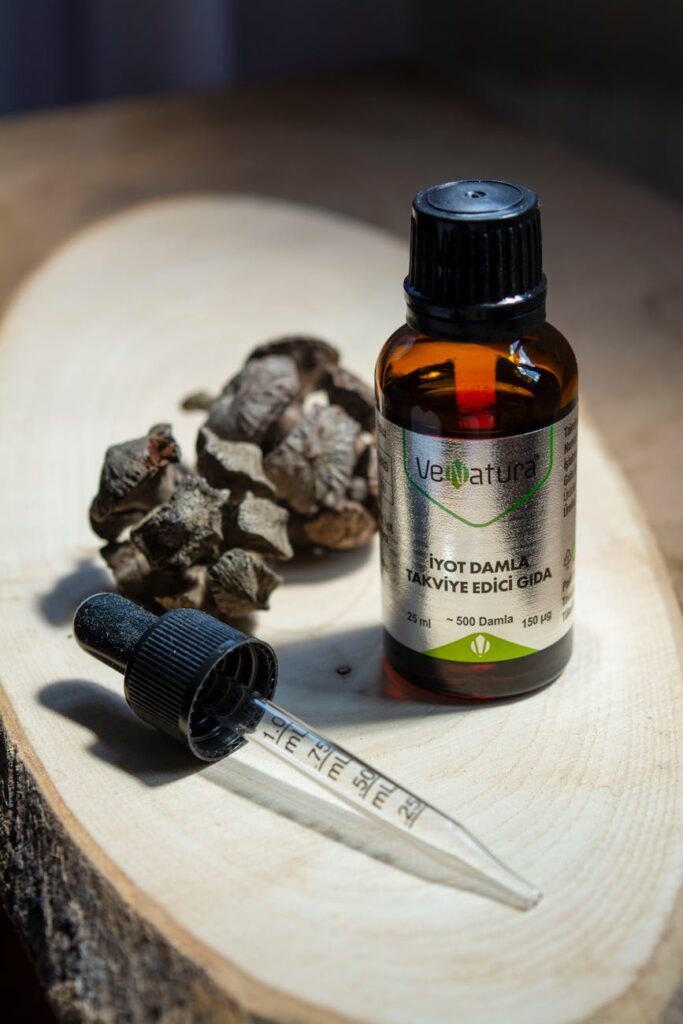
Aromatherapy Uses of Cold-Pressed Kukui Nut Oil
Introduction
Aromatherapy, the practice of using essential oils and plant extracts for therapeutic purposes, has gained immense popularity worldwide. Among the various carrier oils used in this field, cold-pressed kukui nut oil stands out for its unique properties and applications. This article explores the essence of cold-pressed kukui nut oil, its benefits, common uses, and its role in aromatherapy.
What Is Cold-Pressed Kukui Nut Oil?
Cold-pressed kukui nut oil is derived from the nuts of the kukui tree (Aleurites molucanna), native to the Hawaiian Islands. The extraction process involves pressing the seeds at low temperatures to retain their natural properties and nutrients. The oil is light, non-greasy, and has a slightly nutty aroma, making it an excellent carrier oil for blending with essential oils in aromatherapy.
The kukui tree has significant cultural and historical importance in Hawaiian culture, where it has been used for centuries for its nourishing and protective properties. The oil is rich in essential fatty acids, including linoleic and oleic acids, which contribute to its skin-nourishing benefits.
Key Benefits and Properties
Cold-pressed kukui nut oil boasts a variety of beneficial properties that make it suitable for both topical and aromatic applications:
1. Moisturizing: The oil is an excellent moisturizer due to its high content of fatty acids, which help to hydrate and soften the skin.
2. Antioxidant: Kukui nut oil contains antioxidants that can help neutralize free radicals, potentially protecting the skin from environmental damage.
3. Anti-inflammatory: The oil possesses anti-inflammatory properties, which may aid in soothing irritated skin and reducing redness.
4. Non-comedogenic: Suitable for various skin types, kukui nut oil is non-comedogenic, meaning it does not clog pores.
5. Emollient: The oil acts as an emollient, creating a barrier that helps retain moisture in the skin, making it particularly beneficial for dry or damaged skin.
6. Rich in Vitamins: Kukui nut oil is rich in vitamins A, C, and E, which support skin health and promote a youthful appearance.
Common Uses
Cold-pressed kukui nut oil is versatile and can be used in various applications, including:
1. Skin Care: The oil is often used in lotions, creams, and serums for its hydrating and nourishing properties. It is suitable for all skin types, including sensitive skin.
2. Hair Care: Kukui nut oil can be applied to hair as a conditioning treatment, providing moisture and shine while reducing frizz.
3. Massage Oil: Its light texture makes it an ideal choice for massage oils, allowing for smooth application and skin absorption.
4. Sunburn Relief: The soothing properties of kukui nut oil can help alleviate discomfort from sunburn.
5. Makeup Remover: The oil can effectively dissolve makeup while leaving the skin moisturized.
Aromatherapy Applications
In aromatherapy, cold-pressed kukui nut oil serves primarily as a carrier oil, enabling the safe dilution of essential oils for topical application and diffusion. Here are some common applications:
Blending with Essential Oils
Kukui nut oil can be blended with various essential oils to enhance their effects. For instance:
- Lavender Oil: When blended with lavender essential oil, kukui nut oil can create a calming massage oil that promotes relaxation and tranquility.
- Peppermint Oil: Combining kukui nut oil with peppermint essential oil can produce a refreshing blend perfect for invigorating the mind and body.
- Tea Tree Oil: A mixture of kukui nut oil and tea tree essential oil may provide a soothing application for problematic skin areas.
- Container: Store kukui nut oil in a dark glass bottle to protect it from light, which can degrade the oil over time.
- Temperature: Keep the oil in a cool, dark place, away from heat sources and direct sunlight.
- Shelf Life: When stored correctly, kukui nut oil typically has a shelf life of 12-24 months. Check for any off-odors or changes in appearance before use.
Diffusion
While kukui nut oil itself is not typically diffused, it can be used as a base for creating a calming atmosphere when combined with essential oils. The nutty aroma can add a unique twist to blends, enhancing the overall olfactory experience.
Skin and Body Treatments
The nourishing properties of kukui nut oil make it an excellent addition to DIY skincare treatments. For example, creating a soothing body scrub by mixing kukui nut oil with sugar and essential oils can provide both exfoliation and hydration.
Aromatherapy Massage
Using kukui nut oil as a carrier for essential oils in massage therapy can enhance the benefits of both the massage and the essential oils. The oil’s smooth texture allows for easy glide, making it ideal for therapeutic massage applications.
Safety Considerations
While cold-pressed kukui nut oil is generally considered safe for topical use, it is important to adhere to the following precautions:
1. Patch Test: Before using kukui nut oil on a larger area of skin, perform a patch test to check for any allergic reactions or sensitivities.
2. Dilution: When blending with essential oils, ensure proper dilution guidelines are followed. Typically, a dilution ratio of 1-5% essential oil to carrier oil is recommended.
3. Avoid Eye Contact: Take care to avoid contact with the eyes, as this could cause irritation.
4. Consultation: If you have specific skin concerns or conditions, consider consulting a qualified professional before using kukui nut oil in your routine.
Storage and Shelf Life
To maintain the quality of cold-pressed kukui nut oil, proper storage is crucial:
Frequently Asked Questions
1. Is cold-pressed kukui nut oil safe for all skin types?
Yes, kukui nut oil is generally safe for all skin types, including sensitive skin. Its non-comedogenic nature makes it suitable for acne-prone skin as well.
2. Can I use kukui nut oil on my hair?
Absolutely! Kukui nut oil is excellent for hair care. It can be used as a leave-in conditioner or added to hair masks for added moisture and shine.
3. How do I incorporate kukui nut oil into my aromatherapy practice?
You can use kukui nut oil as a carrier oil to dilute essential oils before topical application or to create customized blends for massage or DIY skincare treatments.
4. What essential oils pair well with kukui nut oil?
Kukui nut oil blends well with a variety of essential oils, including lavender, peppermint, tea tree, frankincense, and ylang-ylang. The choice depends on your desired effects and aroma profile.
5. How can I tell if kukui nut oil has gone bad?
Signs that kukui nut oil has gone bad include off-odors, a rancid smell, or changes in color. Always check these indicators before use.
Conclusion
Cold-pressed kukui nut oil is a versatile and nourishing oil that plays a significant role in the world of aromatherapy. Its unique properties make it suitable for various applications, from skincare to hair care and beyond. By understanding its benefits and uses, individuals can effectively incorporate kukui nut oil into their holistic wellness routines, enhancing their overall well-being through the art of aromatherapy.