
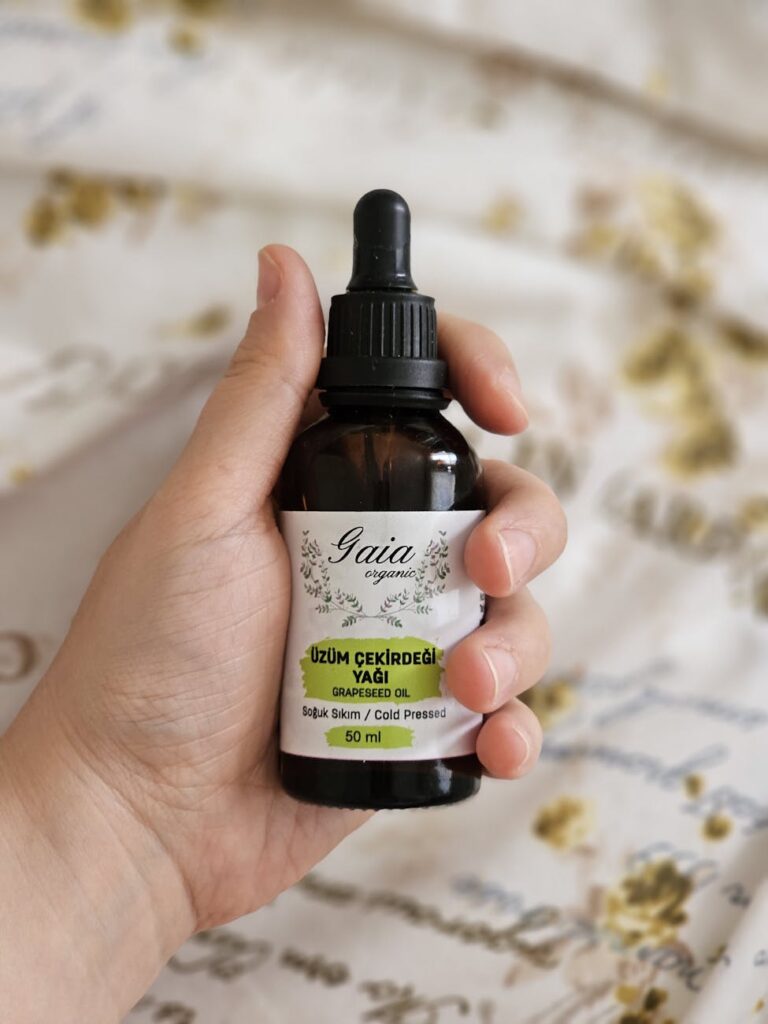
Aromatherapy Uses of Cold Pressed Oils
Introduction
Aromatherapy is a holistic healing practice that utilizes essential oils extracted from plants to enhance physical, emotional, and spiritual well-being. Among the various methods of extracting these oils, cold pressing is one of the most revered techniques, especially for citrus fruits. This article delves into the characteristics, benefits, common uses, and safety considerations of cold pressed oils in aromatherapy.
What Is Cold Pressed Oils?
Cold pressing is a mechanical extraction method that involves crushing and pressing plant materials to extract their essential oils without the application of heat. This technique is often used for citrus fruits such as oranges, lemons, and limes, as well as certain nuts and seeds. The absence of heat preserves the delicate aromatic compounds and beneficial properties of the oils, resulting in a high-quality product that retains the original scent and therapeutic benefits of the source material.
In cold pressing, the fruit’s rind or peel is mechanically pressed to release the oil found in the oil sacs. This method not only yields a more potent oil but also helps to maintain the integrity of the plant’s natural compounds, making cold pressed oils a popular choice in aromatherapy.
Key Benefits and Properties
Cold pressed oils offer a variety of therapeutic benefits and properties, which can be categorized into several key areas:
1. Aromatherapy Benefits
- Mood Enhancement: Many cold pressed oils, particularly citrus oils, are known for their uplifting properties, helping to alleviate stress and anxiety.
- Cognitive Boost: Certain cold pressed oils can aid concentration and mental clarity, making them beneficial for study and work environments.
- Antimicrobial Effects: Many cold pressed oils possess natural antimicrobial properties, which can help purify the air and reduce the presence of harmful pathogens.
- Anti-inflammatory: Some cold pressed oils may help reduce inflammation, offering soothing effects when used in massage blends.
- Nourishing and Hydrating: Cold pressed oils are often rich in fatty acids and antioxidants, making them excellent for skin hydration and nourishment.
- Natural Astringents: Some of these oils can help tighten and tone the skin, making them popular in cosmetic formulations.
- Used in skincare products for their hydrating and nourishing properties.
- Commonly found in hair care formulations for their ability to add shine and moisture.
- Employed in natural cleaning products due to their antimicrobial properties and pleasant scents.
- Used in air fresheners and diffusers to create a refreshing atmosphere.
- Certain cold pressed oils, such as those from olives or nuts, are used in cooking and salad dressings, contributing both flavor and health benefits.
- Adding a few drops of cold pressed oil to a diffuser can disperse the oil’s aromatic compounds into the air, promoting an uplifting and calming atmosphere.
- Cold pressed oils can be blended with carrier oils for topical application. This method allows for localized benefits, such as soothing inflammation or nourishing the skin.
- Incorporating cold pressed oils into bathwater can enhance relaxation and create a spa-like experience. A few drops can provide both aromatic and therapeutic benefits.
- Direct inhalation of cold pressed oils can help clear the respiratory system and improve mood. Simply placing a drop on a tissue and inhaling the scent can provide immediate relief.
- When diluted with carrier oils, cold pressed oils can be used for massage, combining the benefits of touch with the aromatic properties of the oils.
- Always dilute cold pressed oils with a suitable carrier oil before topical application to avoid skin irritation.
- Conduct a patch test on a small area of skin to check for any allergic reactions before wider application.
- Some cold pressed oils, particularly citrus oils, can increase photosensitivity. It is advisable to avoid direct sunlight after applying these oils to the skin.
- If you are pregnant, nursing, or have underlying health conditions, consult a qualified aromatherapy professional before using essential oils.
- Store cold pressed oils in dark glass bottles to protect them from light and heat, which can degrade their quality.
- Keep them in a cool, dry place away from direct sunlight.
- The shelf life of cold pressed oils varies depending on the type. Generally, most oils can last from 6 months to 2 years if stored correctly. Always check for changes in smell, color, or viscosity before use.
- Common cold pressed oils include citrus oils such as lemon, orange, and grapefruit, as well as oils from nuts and seeds like sweet almond and avocado.
- While many cold pressed oils can be safe for children when properly diluted, it is advisable to consult an aromatherapy professional for guidance.
- It is important to note that not all cold pressed oils are safe for ingestion. Always ensure that the oil is labeled as food-grade and consult a professional before consuming any essential oil.
- Cold pressed oils are extracted through mechanical means without heat, preserving their natural properties. Steam distilled oils are extracted using steam, which can alter some of the oil’s components.
- Look for oils that are labeled organic, pure, and free from additives. Dark glass packaging is also a good indicator of quality, as it protects the oil from light exposure.
2. Physical Properties
3. Skin Benefits
Common Uses
Cold pressed oils are versatile and can be incorporated into various applications, including:
1. Cosmetic Applications
2. Household Uses
3. Culinary Uses
Aromatherapy Applications
In aromatherapy, cold pressed oils can be employed in various ways, enhancing well-being and creating a more harmonious environment. Here are some common applications:
1. Diffusion
2. Topical Application
3. Bathing
4. Inhalation
5. Massage
Safety Considerations
While cold pressed oils are generally safe for use in aromatherapy, it is essential to consider the following safety precautions:
1. Dilution
2. Sensitivity Testing
3. Avoiding Sun Exposure
4. Consulting Professionals
Storage and Shelf Life
Proper storage is crucial to maintaining the quality and efficacy of cold pressed oils. Here are some guidelines:
1. Storage Conditions
2. Shelf Life
Frequently Asked Questions
1. What are the most common cold pressed oils used in aromatherapy?
2. Are cold pressed oils safe for children?
3. Can cold pressed oils be ingested?
4. What is the difference between cold pressed and steam distilled oils?
5. How do I choose a high-quality cold pressed oil?
Conclusion
Cold pressed oils play a significant role in the world of aromatherapy, offering a myriad of benefits and applications. Their natural extraction method helps preserve the integrity of the plant’s properties, making them a valuable addition to holistic practices. By understanding their characteristics, benefits, and safe usage, individuals can effectively incorporate cold pressed oils into their wellness routines, enhancing both physical and emotional well-being.