
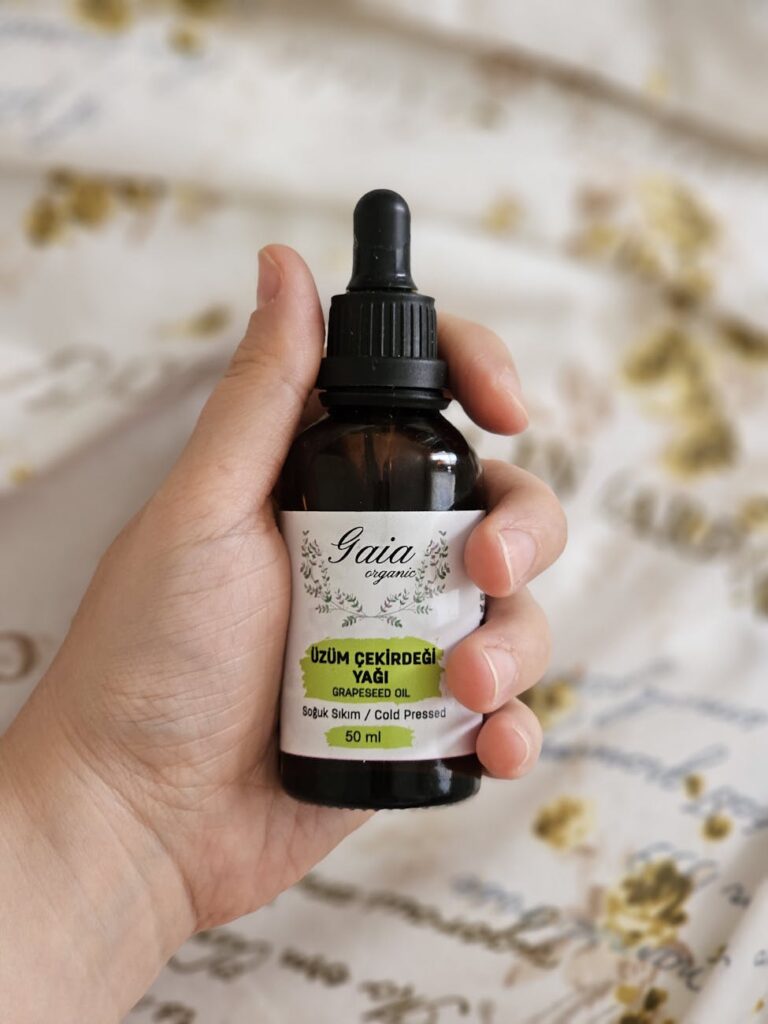
Aromatherapy Uses of Cold-Pressed Safflower Oil
Introduction
Aromatherapy, the practice of using essential oils and aromatic compounds for therapeutic purposes, has gained widespread popularity in recent years. Among the various carrier oils that play a crucial role in this practice, cold-pressed safflower oil stands out due to its unique properties and versatility. This article will explore the origins, benefits, uses, and applications of cold-pressed safflower oil in aromatherapy, providing a comprehensive understanding for enthusiasts and practitioners alike.
What Is Cold-Pressed Safflower Oil?
Cold-pressed safflower oil is extracted from the seeds of the safflower plant (Carthamus tinctorius) through a process that involves mechanical pressing without the use of heat. This method preserves the oil’s natural properties, flavors, and nutrients, making it an ideal choice for both culinary and therapeutic applications. Safflower oil is light in texture and has a mild, neutral aroma, making it an excellent carrier oil for essential oils in aromatherapy.
The safflower plant is native to regions of Asia, Africa, and the Mediterranean, and it is primarily cultivated for its seeds, which are rich in oil. The oil itself is composed mainly of polyunsaturated fatty acids, particularly linoleic acid, along with various antioxidants, vitamins, and minerals.
Key Benefits and Properties
Cold-pressed safflower oil offers a range of beneficial properties that make it suitable for aromatherapy:
1. Rich in Fatty Acids: The oil is high in essential fatty acids, particularly omega-6 fatty acids, which are known for their potential benefits in maintaining skin health and hydration.
2. Antioxidant Properties: The presence of vitamin E and other antioxidants helps to combat oxidative stress, making safflower oil a popular choice for skincare formulations.
3. Anti-Inflammatory Effects: Some studies suggest that safflower oil may exhibit anti-inflammatory properties, which can be beneficial when used in massage or topical applications.
4. Moisturizing Qualities: The oil’s lightweight texture enables it to be easily absorbed by the skin, providing hydration without a greasy residue.
5. Neutral Aroma: Its mild scent allows safflower oil to blend well with a variety of essential oils, making it a versatile carrier oil in aromatherapy practices.
Common Uses
Cold-pressed safflower oil has a variety of uses beyond aromatherapy, including:
- Culinary Uses: The oil is often used in cooking, salad dressings, and baking due to its light flavor and high smoke point.
- Skincare: Safflower oil is commonly found in cosmetic products such as moisturizers, serums, and lotions due to its hydrating and nourishing properties.
- Massage Oil: Its smooth texture makes it an excellent choice for use in massage oils, either on its own or blended with essential oils.
- Hair Care: Safflower oil can be used as a hair conditioner or treatment, helping to nourish and hydrate dry or damaged hair.
- Lavender: Known for its calming properties, lavender essential oil blends seamlessly with safflower oil for use in relaxation massages.
- Peppermint: This invigorating oil can be diluted with safflower oil for a refreshing and energizing massage blend.
- Tea Tree: Often used for its skin-clearing properties, tea tree oil can be mixed with safflower oil for topical applications.
- Patch Test: Before using safflower oil or any essential oil blend on your skin, perform a patch test to check for allergic reactions or sensitivity.
- Dilution: Ensure that essential oils are properly diluted in safflower oil before topical application. A common dilution ratio is 2-3 drops of essential oil per tablespoon of safflower oil.
- Storage: Store safflower oil in a cool, dark place to prevent oxidation and maintain its quality.
- Consultation: If you have specific health concerns or conditions, consult with a healthcare professional before incorporating safflower oil or essential oils into your routine.
Aromatherapy Applications
In the realm of aromatherapy, cold-pressed safflower oil serves as an effective carrier oil for diluting essential oils. This dilution is essential for safely applying concentrated oils on the skin, as they can be potent and may cause irritation if used undiluted. Below are some common applications of safflower oil in aromatherapy:
1. Carrier Oil for Essential Oils
When blended with essential oils, safflower oil enhances the absorption of these oils into the skin. Common essential oils that pair well with safflower oil include:
2. Skin Care Formulations
Safflower oil’s moisturizing and nourishing properties make it suitable for various skin care formulations. It can be used in homemade lotions, creams, and serums, often combined with essential oils like frankincense or geranium for added benefits.
3. Aromatherapy Diffusion
While safflower oil itself is not typically used in diffusers, it can be combined with essential oils to create unique blends for aromatic diffusion. The neutral scent of safflower oil allows the aromatic qualities of essential oils to shine, enhancing the overall ambiance of a space.
4. Bath Oils
Adding safflower oil to a warm bath can enhance relaxation and provide skin nourishment. A few drops of essential oils, such as chamomile or ylang-ylang, can be added to create an aromatic and soothing bath experience.
Safety Considerations
While cold-pressed safflower oil is generally recognized as safe for most people, it is essential to keep a few safety considerations in mind:
Storage and Shelf Life
Cold-pressed safflower oil should be stored in a cool, dark place, ideally in a glass container to minimize exposure to light and air. When stored properly, the oil can last for about 6 to 12 months. Regularly checking for changes in color, smell, or consistency can help determine its freshness.
Frequently Asked Questions
Q1: Can safflower oil be used for cooking?
Yes, cold-pressed safflower oil can be used for cooking due to its high smoke point and light flavor. It is often used in salad dressings, marinades, and as a cooking oil.
Q2: Is safflower oil suitable for all skin types?
Safflower oil is generally considered safe for most skin types. However, individuals with specific allergies or skin conditions should consult a healthcare provider before use.
Q3: What essential oils blend well with safflower oil?
Safflower oil blends well with a variety of essential oils, including lavender, peppermint, tea tree, and chamomile, among others.
Q4: How do I incorporate safflower oil into my skincare routine?
Safflower oil can be used as a moisturizer, mixed with other essential oils for targeted benefits, or added to bath water for a nourishing experience.
Q5: Can safflower oil expire?
Yes, safflower oil can expire. Proper storage and regular checks for changes in quality can help ensure that the oil remains fresh for use.
Conclusion
Cold-pressed safflower oil is a versatile and beneficial carrier oil in the field of aromatherapy. With its lightweight texture, rich fatty acid profile, and antioxidant properties, it serves as an excellent medium for diluting essential oils, enhancing their absorption, and providing skin nourishment. By understanding its benefits, uses, and safety considerations, individuals can effectively incorporate safflower oil into their aromatherapy practices, enhancing their wellness journey through the power of nature.