
Aromatherapy Uses of Cordyceps Extract
Introduction
Aromatherapy, a holistic healing practice that utilizes essential oils and aromatic compounds to enhance physical and emotional well-being, has gained popularity in recent years. Among the myriad of natural substances used in this field, Cordyceps extract stands out for its unique properties and potential benefits. This article delves into what Cordyceps extract is, its key benefits, common uses, and its specific applications in the realm of aromatherapy.
What Is Cordyceps Extract?
Cordyceps extract is derived from fungi belonging to the genus Cordyceps, which includes over 400 species. Known for its unique lifecycle, Cordyceps grows on the larvae of insects and has been used in traditional Chinese medicine for centuries. The most well-known species is Cordyceps sinensis, often referred to as the “caterpillar fungus.” This extract is prized not only for its health benefits but also for its distinctive flavor and aroma.
The extraction process typically involves harvesting the fruiting body of the mushroom or its mycelium, followed by drying and processing to concentrate its beneficial compounds. The resulting extract is rich in polysaccharides, cordycepin, and other bioactive substances, making it a popular choice in supplements and herbal formulations.
Key Benefits and Properties
Cordyceps extract is renowned for its various properties, which may contribute to its popularity in both traditional and modern applications. Some key benefits include:
1. Adaptogenic Properties: Cordyceps is classified as an adaptogen, meaning it may help the body adapt to stressors, whether physical, emotional, or environmental.
2. Energy and Stamina: Many users report increased energy levels and enhanced physical performance, making it a favored choice among athletes and fitness enthusiasts.
3. Antioxidant Effects: The extract is rich in antioxidants, which may help combat oxidative stress and support overall health.
4. Immune Support: Cordyceps is believed to have immune-modulating effects, potentially enhancing the body’s natural defenses.
5. Respiratory Health: Traditionally, Cordyceps has been used to support respiratory function, particularly in improving oxygen utilization.
6. Mental Clarity: Some users find that Cordyceps can help improve cognitive function and mental clarity.
These properties make Cordyceps extract an intriguing addition to various wellness practices, including aromatherapy.
Common Uses
Cordyceps extract is versatile and can be found in various forms, including powders, capsules, tinctures, and extracts. Common uses include:
- Dietary Supplements: Many individuals take Cordyceps in capsule or powder form to harness its health benefits.
- Smoothies and Health Drinks: The powdered form can be added to smoothies or health drinks for an energy boost.
- Herbal Teas: Cordyceps can be infused into herbal teas, combining its flavor with other beneficial herbs.
- Skincare Products: Its antioxidant properties have led to its incorporation into skincare formulations, promoting skin health.
- Allergic Reactions: Some individuals may experience allergic reactions to mushrooms, including Cordyceps. A patch test is recommended before topical application.
- Pregnancy and Nursing: Due to limited research, it is advisable for pregnant or nursing individuals to consult a healthcare professional before using Cordyceps extract.
- Drug Interactions: Cordyceps may interact with certain medications, particularly those that affect the immune system or blood sugar levels. Consulting a healthcare provider is prudent for individuals on medication.
- Quality of Extract: It is essential to source high-quality Cordyceps extract from reputable suppliers to ensure purity and potency.
- Cool, Dry Place: Store the extract in a cool, dry environment, away from direct sunlight and moisture, to prevent degradation.
- Tightly Sealed Containers: Ensure that the container is tightly sealed to protect the extract from air and humidity.
- Expiration Date: Always check the expiration date on the product packaging. Properly stored, most Cordyceps extracts have a shelf life of approximately 1 to 2 years.
Aromatherapy Applications
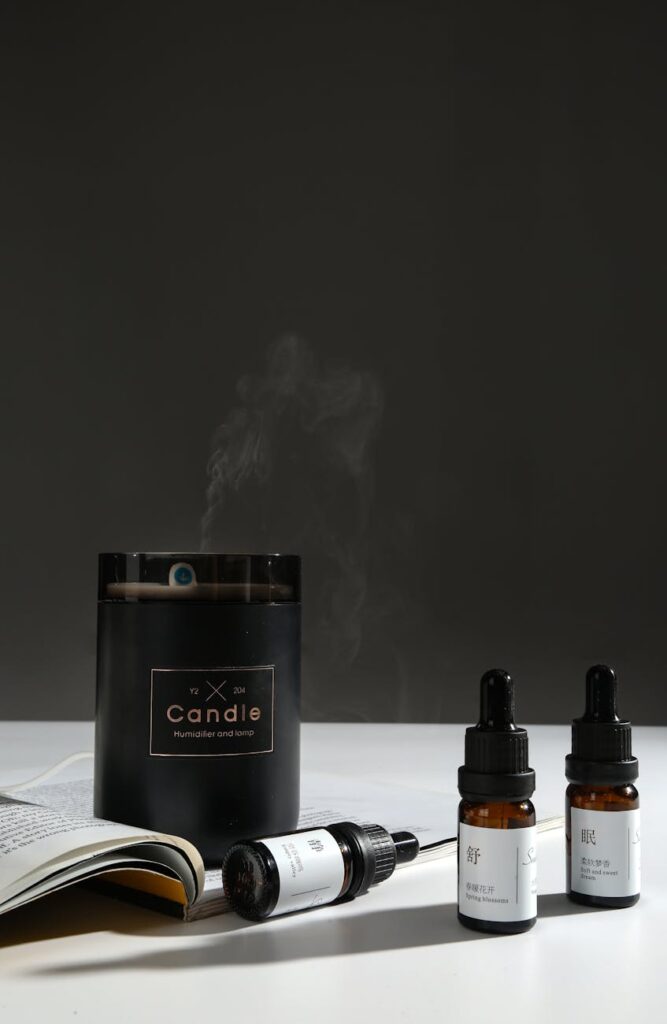
In aromatherapy, Cordyceps extract is often combined with essential oils to enhance its effects. The practice involves inhaling the aromatic compounds or applying them topically when diluted. Here are some ways Cordyceps extract can be used in aromatherapy:
1. Diffusion: Blending Cordyceps extract with essential oils in a diffuser can create an invigorating atmosphere. Oils such as peppermint, eucalyptus, or lemon can complement Cordyceps, promoting energy and focus.
2. Inhalation: For a quick boost, one can inhale a mixture of Cordyceps extract with other uplifting oils directly from a bottle or a tissue, helping to enhance mental clarity and alertness.
3. Massage Blends: Cordyceps extract can be diluted in a carrier oil and used in massage blends. This combination may offer both relaxation and stimulation, depending on the essential oils used.
4. Bath Soaks: Adding Cordyceps extract to bath products can enhance relaxation and provide a soothing experience. Blending it with calming essential oils like lavender or chamomile can create a serene environment.
5. Aromatherapy Roll-Ons: Creating a roll-on blend with Cordyceps extract and essential oils can offer a portable way to enjoy its benefits throughout the day.
Safety Considerations
While Cordyceps extract is generally considered safe for most individuals when used appropriately, there are some important safety considerations:
Storage and Shelf Life
Proper storage of Cordyceps extract is crucial for maintaining its efficacy. Here are some guidelines:
Frequently Asked Questions
1. Can Cordyceps extract be used in cooking?
Yes, Cordyceps extract in powdered form can be added to soups, stews, or smoothies, although its taste may not be preferred by everyone.
2. Is Cordyceps extract safe for children?
While Cordyceps extract is generally safe for adults, there is limited research on its safety for children. Consulting a healthcare professional before use is recommended.
3. How does Cordyceps extract compare to other mushrooms used in aromatherapy?
Cordyceps offers unique benefits, particularly in enhancing energy and stamina. Other mushrooms, like reishi or lion’s mane, may have different properties, such as promoting relaxation or cognitive function.
4. Can I use Cordyceps extract with essential oils that I am allergic to?
It is advisable to avoid combining Cordyceps extract with essential oils that you are allergic to, as this may lead to adverse reactions.
5. Where can I find high-quality Cordyceps extract?
Look for reputable suppliers that provide detailed information about their sourcing and extraction processes. Certifications and third-party testing can also ensure product quality.
Conclusion
Cordyceps extract is a fascinating addition to the world of aromatherapy, offering unique properties that may enhance both physical and emotional well-being. While it is essential to use it responsibly and be aware of individual sensitivities, the potential benefits make it a valuable component of holistic practices. As with any natural substance, individual experiences may vary, making exploration and personal experimentation key to discovering the best applications for oneself.