
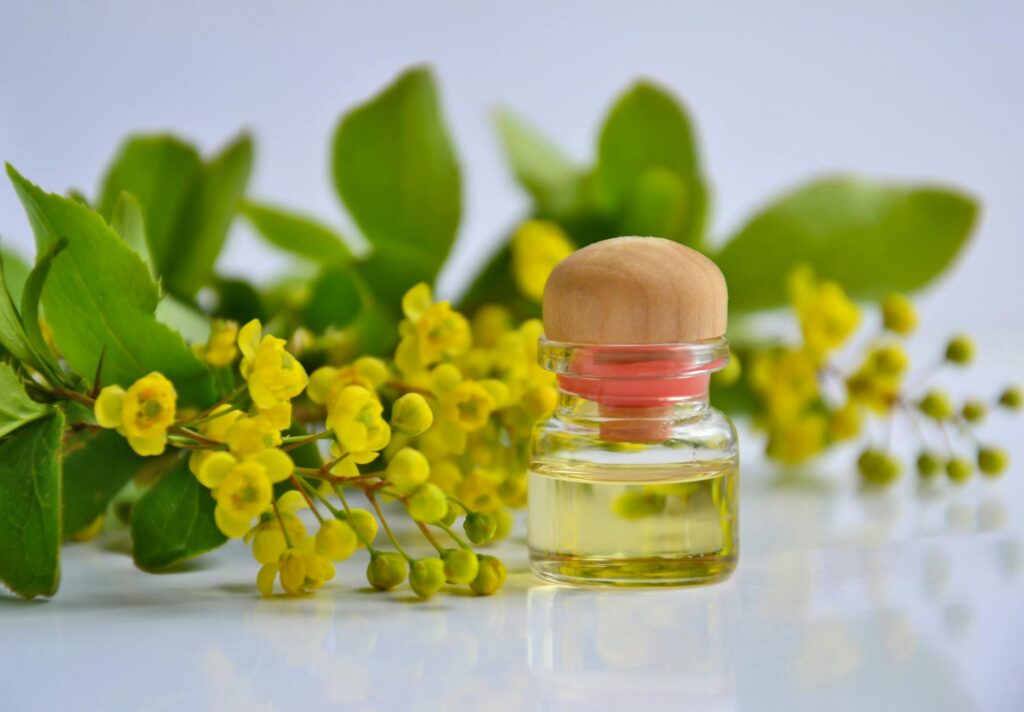
Aromatherapy Uses of Culinary Edible Plants
Introduction
Aromatherapy, a holistic healing practice that utilizes the aromatic properties of essential oils, has gained popularity in recent years. While many essential oils are derived from aromatic plants, culinary edible plants also offer remarkable scents and therapeutic benefits. This article explores the uses of culinary edible plants in aromatherapy, highlighting their characteristics, benefits, and practical applications.
What Is Culinary Edible Plants?
Culinary edible plants are those that are commonly used in cooking for flavoring, garnishing, or nutritional purposes. They include herbs, spices, fruits, and vegetables that not only enhance the taste of dishes but also possess aromatic properties. Examples include basil, rosemary, mint, thyme, and citrus fruits like lemon and orange. These plants are often rich in essential oils, which are concentrated, volatile compounds responsible for their distinctive fragrances and potential therapeutic properties.
Key Benefits and Properties
The essential oils extracted from culinary edible plants contain a variety of bioactive compounds that contribute to their aroma and potential benefits. Below are some key properties:
- Antioxidant Properties: Many culinary herbs contain antioxidants that help combat oxidative stress in the body, potentially supporting overall health.
- Antimicrobial Effects: Certain edible plants possess natural antimicrobial properties, which may help inhibit the growth of harmful bacteria and fungi.
- Mood Enhancement: The fragrances of various culinary plants have been shown to have uplifting effects on mood, reducing stress and anxiety levels.
- Digestive Support: Some essential oils derived from culinary plants are known for their potential to aid digestion and alleviate gastrointestinal discomfort.
- Flavoring and Seasoning: Fresh herbs and spices are staples in cooking, enhancing the flavor profiles of numerous dishes.
- Infusions and Teas: Many culinary plants can be infused in hot water to create soothing herbal teas that offer both flavor and aroma.
- Scented Oils and Vinegars: Culinary plants can be macerated in oils or vinegar to create aromatic condiments that enhance meals while providing therapeutic benefits.
- Potpourri and Sachets: Dried culinary herbs can be used in potpourris or sachets to provide natural fragrance in homes.
- Dilution: Essential oils are highly concentrated and should be diluted before topical application. A common dilution ratio is 1-2% essential oil to carrier oil.
- Allergic Reactions: Some individuals may be sensitive or allergic to certain culinary plants. It is advisable to perform a patch test before applying oils to a larger skin area.
- Pregnancy and Nursing: Pregnant or nursing individuals should consult with a healthcare professional before using essential oils, even those derived from culinary plants.
- Toxicity: Not all plants are safe for use in aromatherapy. Ensure that the culinary plants you choose are recognized as safe for essential oil extraction.
- Cool, Dark Place: Store essential oils in a cool, dark place away from direct sunlight and heat. This helps prevent degradation and extends shelf life.
- Tightly Sealed Containers: Ensure that essential oils are stored in tightly sealed bottles to prevent evaporation and oxidation.
- Shelf Life: Most essential oils have a shelf life of 1-3 years, depending on the type of plant and storage conditions. Citrus oils typically have a shorter shelf life than herbaceous oils.
Common Uses
Culinary edible plants have diverse applications in both cooking and aromatherapy. Here are some common uses:
Aromatherapy Applications
The aromatic properties of culinary edible plants can be harnessed in various ways within the field of aromatherapy. Here are some applications:
1. Diffusion
Essential oils extracted from culinary plants can be added to diffusers to disperse their scents throughout a space. For example, adding a few drops of peppermint or lemon oil can invigorate a room, promoting alertness and enhancing mood.
2. Topical Application
When diluted properly with a carrier oil, culinary essential oils can be applied to the skin. For instance, rosemary oil may be used in massage oils to relieve tension, while lavender oil (often used in culinary dishes) can promote relaxation.
3. Inhalation
Direct inhalation of essential oils is a simple and effective way to experience their benefits. A few drops of basil or thyme oil can be inhaled from the bottle or added to a handkerchief for on-the-go aromatherapy.
4. Bathing
Incorporating culinary essential oils into bathwater can create a relaxing and aromatic experience. Adding oils like chamomile or orange can promote relaxation and uplift the spirits during a soothing soak.
5. Aromatic Cooking
In addition to their aromatic properties, culinary plants can be used in cooking to release their essential oils, enhancing both the flavor and aroma of meals. This dual application of culinary plants bridges the gap between cooking and aromatherapy.
Safety Considerations
While culinary edible plants are generally safe, there are some important considerations to keep in mind:
Storage and Shelf Life
Proper storage is crucial to maintaining the integrity and potency of essential oils derived from culinary edible plants. Here are some guidelines:
Frequently Asked Questions
1. Can I use culinary herbs from my garden for essential oil extraction?
While it is possible to extract essential oils from culinary herbs grown in your garden, it requires specialized equipment and knowledge. It is often more practical to purchase high-quality essential oils from reputable suppliers.
2. Are culinary essential oils safe for children?
Some culinary essential oils can be safe for children when used appropriately and in diluted forms. However, it is essential to consult with a healthcare professional before using any essential oils with children.
3. Can I consume culinary essential oils?
Not all culinary essential oils are safe for consumption. While oils like lemon and peppermint are often used in cooking, others may not be safe to ingest. Always check the specific oil’s guidelines and consult with a knowledgeable source before considering ingestion.
4. How do I determine the quality of culinary essential oils?
To assess the quality of culinary essential oils, look for oils that are labeled as “100% pure” and “therapeutic grade.” Third-party testing and certification can also be indicators of quality.
5. Can I mix different culinary essential oils together?
Yes, many culinary essential oils can be blended to create unique aromatic profiles. However, it is essential to research compatibility and dilution ratios when mixing oils.
Conclusion
Culinary edible plants offer a fascinating intersection between gastronomy and aromatherapy. Their aromatic properties not only enhance flavors in cooking but also provide a wealth of therapeutic benefits when used in aromatherapy practices. By understanding their uses, benefits, and safety considerations, individuals can explore the rich world of culinary plants to enhance their well-being and elevate their aromatic experiences. Whether through diffusion, topical application, or aromatic cooking, these plants can enrich both the culinary and aromatic realms of life.