
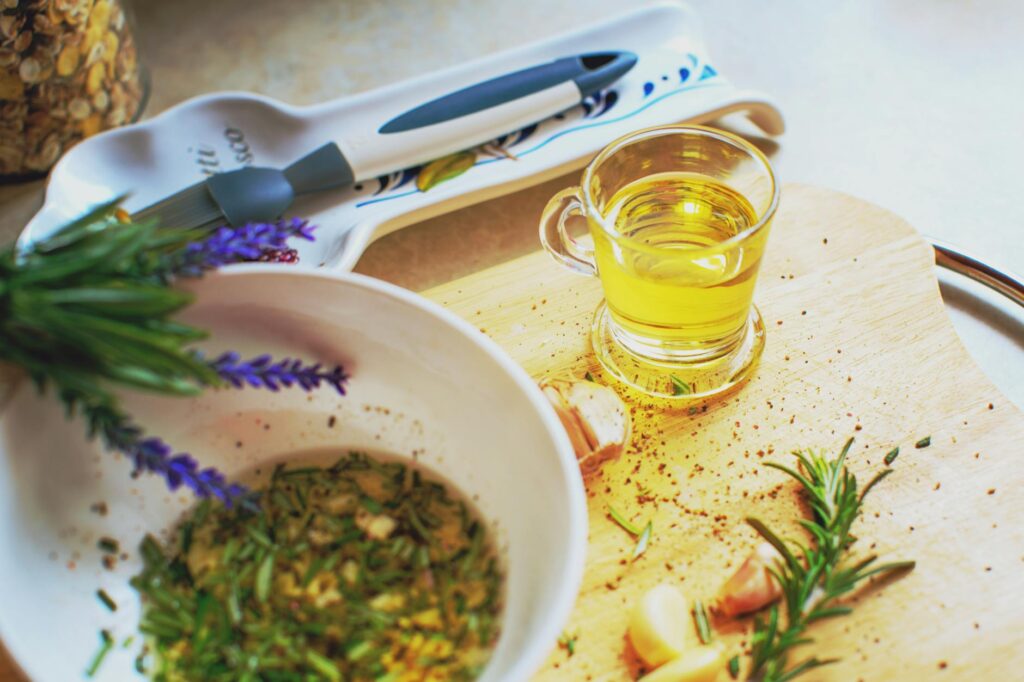
Aromatherapy Uses of Culinary Herbs
Introduction
Aromatherapy, a holistic healing practice that utilizes essential oils extracted from plants, has gained immense popularity in recent years. Among the various sources of essential oils, culinary herbs hold a unique position due to their dual purpose as both flavor enhancers in cooking and agents of wellness in aromatherapy. This article delves into the aromatic properties, benefits, and applications of culinary herbs, highlighting their significance in aromatherapy.
What Are Culinary Herbs?
Culinary herbs are plants valued for their flavorful leaves, stems, and flowers, which are used to enhance the taste and aroma of food. Common examples include basil, oregano, thyme, rosemary, and mint. These herbs are typically used fresh or dried but can also be distilled into essential oils. The aromatic compounds present in these herbs contribute not only to their culinary uses but also to their therapeutic properties in aromatherapy.
Key Benefits and Properties
Culinary herbs are known for their diverse range of beneficial properties. While the effects can vary depending on the specific herb, many share common characteristics:
- Antioxidant Properties: Many culinary herbs are rich in antioxidants, which help combat oxidative stress in the body.
- Anti-inflammatory Effects: Certain herbs possess anti-inflammatory properties that may contribute to overall well-being.
- Digestive Support: Some culinary herbs can aid digestion, alleviating discomfort and promoting gut health.
- Antimicrobial Properties: Many culinary herbs exhibit antimicrobial effects, making them useful in preventing the growth of harmful bacteria.
- Mood Enhancement: The aromatic compounds in herbs can have uplifting effects on mood, promoting relaxation and mental clarity.
- Dilution: Always dilute essential oils with a carrier oil before applying them to the skin to avoid irritation.
- Allergies: Conduct a patch test before using a new essential oil to check for allergic reactions.
- Pregnancy and Nursing: Some essential oils may not be safe for pregnant or nursing women. Consult a healthcare provider before use.
- Children: Use caution when applying essential oils around children. Some oils may be too potent for young skin or developing respiratory systems.
- Quality: Choose high-quality, pure essential oils from reputable sources to ensure safety and efficacy.
- Cool, Dark Place: Store essential oils in a cool, dark area, away from direct sunlight and heat, to prevent degradation.
- Tightly Sealed Containers: Use dark glass bottles with tight-sealing caps to minimize exposure to air, which can oxidize the oils.
- Shelf Life: The shelf life of essential oils can vary. Generally, citrus oils have a shorter shelf life (1-2 years), while oils from herbs like rosemary and thyme can last 3-5 years when stored properly.
Common Uses
Culinary herbs are versatile and can be used in various forms:
1. Cooking: Fresh or dried herbs are commonly used in dishes to enhance flavor.
2. Infusions: Herbal teas made from culinary herbs can be enjoyed for their taste and potential health benefits.
3. Essential Oils: Distilled from the plant material, essential oils capture the concentrated aromatic compounds of the herbs.
4. Herbal Remedies: Used in traditional practices, some culinary herbs can be made into tinctures, syrups, or poultices.
Aromatherapy Applications
In aromatherapy, culinary herbs can be utilized in several ways to enhance physical and emotional health:
1. Diffusion
When essential oils from culinary herbs are diffused into the air, they release their aromatic compounds, creating an uplifting and relaxing environment. For instance, diffusing rosemary essential oil may enhance concentration and mental clarity, making it an excellent choice for study or workspaces.
2. Inhalation
Direct inhalation of essential oils is another popular method. Placing a few drops of essential oil on a tissue or cotton ball and inhaling deeply can provide immediate aromatic benefits. For example, inhaling peppermint oil may invigorate the senses and provide relief from headaches.
3. Topical Application
Culinary herb essential oils can be applied topically when diluted with a carrier oil. This method allows the beneficial properties of the herbs to penetrate the skin. For instance, a blend of lavender and basil essential oils can be massaged into sore muscles for relaxation.
4. Bathing
Adding culinary herb essential oils to a warm bath can create a soothing and aromatic experience. The steam from the bath helps release the essential oils into the air, enhancing relaxation. A combination of chamomile and thyme oils can promote tranquility and relieve stress.
5. Aromatic Sprays
Creating aromatic sprays using culinary herb essential oils can freshen up living spaces. A simple spray made of water and a few drops of essential oil can provide a natural alternative to commercial air fresheners.
Safety Considerations
While culinary herbs are generally safe for use in aromatherapy, it is essential to consider the following safety guidelines:
Storage and Shelf Life
Proper storage of culinary herb essential oils is crucial for maintaining their potency and aroma:
Frequently Asked Questions
1. Can culinary herbs be used in cooking and aromatherapy simultaneously?
Yes, culinary herbs can be used in both cooking and aromatherapy. For example, basil can enhance the flavor of a dish while also being used in a diffuser for its calming effects.
2. Are culinary herb essential oils safe for everyone?
While many culinary herb essential oils are generally safe, it is important to consider individual sensitivities and consult a healthcare provider if there are concerns, especially for pregnant women, nursing mothers, and children.
3. How can I incorporate culinary herbs into my daily routine?
You can incorporate culinary herbs into your routine by using them in your cooking, creating herbal teas, adding essential oils to your bath, or using them in a diffuser for aromatic benefits.
4. What are the most popular culinary herbs used in aromatherapy?
Some of the most popular culinary herbs used in aromatherapy include lavender, rosemary, peppermint, thyme, and basil, each known for their unique aromatic properties and benefits.
5. Can I make my essential oils from culinary herbs at home?
While it is possible to create infused oils at home using culinary herbs, true essential oils typically require a distillation process. However, herbal infusions can still provide aromatic benefits.
Conclusion
Culinary herbs are not just flavorful additions to our meals; they are also valuable contributors to the world of aromatherapy. By understanding their properties, benefits, and applications, individuals can harness the power of these aromatic plants to enhance both physical and emotional well-being. Whether through cooking, diffusing, or topical application, culinary herbs offer a versatile approach to natural wellness, enriching our lives with their delightful aromas and therapeutic properties.