
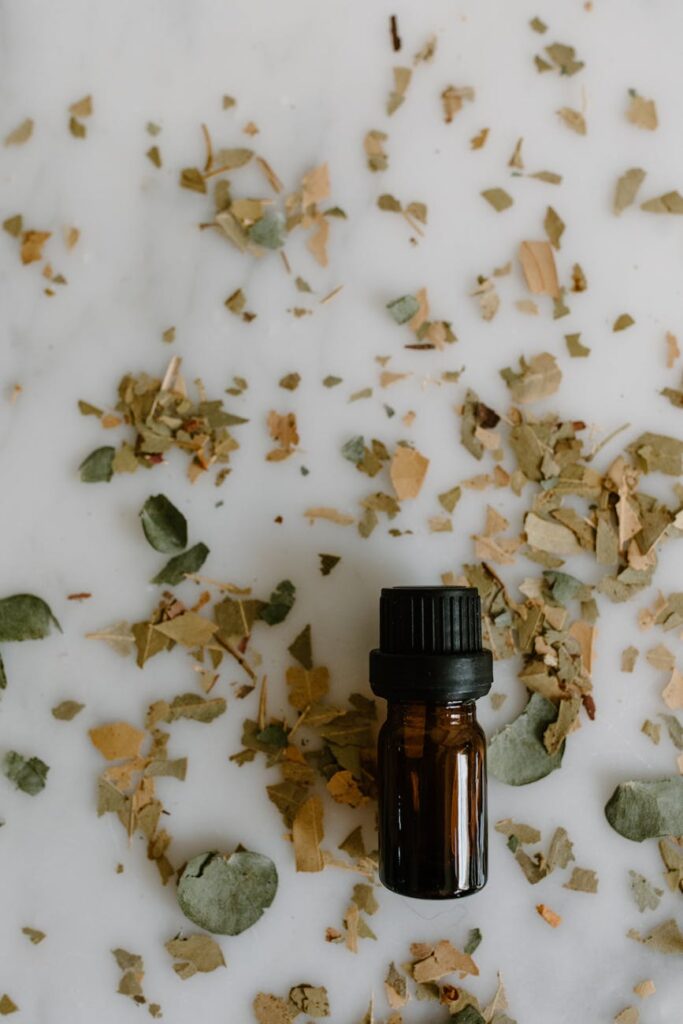
Aromatherapy Uses of DIY Aromatherapy Recipes for Focus and Concentration
Introduction
In today’s fast-paced world, the ability to focus and maintain concentration is more crucial than ever. Various techniques are available to enhance mental clarity and productivity, and one increasingly popular method is aromatherapy. This practice uses essential oils derived from plants to promote physical and emotional well-being. This article delves into DIY aromatherapy recipes specifically designed to improve focus and concentration, exploring their benefits, applications, and safety considerations.
What Is DIY Aromatherapy Recipes for Focus and Concentration?
DIY aromatherapy recipes are custom formulations created using essential oils, carrier oils, and other natural ingredients. For the purpose of enhancing focus and concentration, these recipes typically employ essential oils known for their stimulating, clarifying, and invigorating properties. By blending different oils, individuals can tailor their aromatherapy experience to meet personal preferences and needs.
Essential oils are extracted from various parts of plants, including leaves, flowers, stems, and roots. The process of distillation or cold pressing captures the essence of these plants, resulting in concentrated oils that can be used for various purposes, including enhancing cognitive function.
Key Benefits and Properties
The essential oils commonly used in DIY recipes for focus and concentration offer several benefits:
1. Mental Clarity: Oils such as rosemary and lemon are known to stimulate the mind and promote clarity, allowing for improved decision-making and thought processing.
2. Mood Enhancement: Certain oils can also uplift the mood, which can be beneficial in maintaining focus. For example, peppermint and sweet orange are often associated with increased energy and positivity.
3. Stress Reduction: Stress can severely impact concentration. Oils such as lavender and bergamot are known for their calming properties, helping to alleviate anxiety and promote a focused mindset.
4. Memory Support: Some essential oils are believed to enhance memory retention. For instance, sage and basil may help sharpen memory and cognitive function.
Common Uses
DIY aromatherapy recipes for focus and concentration can be applied in various settings and situations:
- Work Environment: Diffusing essential oils in an office or workspace can create a conducive atmosphere for productivity.
- Study Sessions: Students may benefit from applying these recipes while studying to enhance focus and retention of information.
- Creative Pursuits: Artists and writers often use aromatherapy to inspire creativity and maintain concentration during their work.
- Meditation and Mindfulness: Incorporating essential oils into meditation practices can deepen focus and awareness.
- 3 drops of rosemary essential oil
- 2 drops of lemon essential oil
- 2 drops of peppermint essential oil
- 2 drops of peppermint essential oil
- 2 drops of sweet orange essential oil
- 2 tablespoons of carrier oil
- 5 drops of rosemary essential oil
- 5 drops of basil essential oil
- 5 drops of lavender essential oil
- 3 drops of bergamot essential oil
- 1 cup of Epsom salts
- Dilution: Always dilute essential oils with a carrier oil before applying them to the skin to prevent irritation.
- Patch Test: Conduct a patch test on a small skin area to check for allergic reactions before widespread use.
- Pregnancy and Medical Conditions: Pregnant individuals or those with medical conditions should consult a healthcare professional before using essential oils.
- Child Safety: Certain essential oils are not suitable for children. Always research and choose oils that are safe for younger users.
- Quality of Oils: Use high-quality, pure essential oils from reputable sources to ensure safety and efficacy.
- Cool, Dark Place: Store essential oils in a cool, dark place, away from direct sunlight to prevent degradation.
- Tightly Sealed Containers: Ensure that bottles are tightly sealed to keep out moisture and air, which can spoil the oils.
- Shelf Life: Most essential oils have a shelf life of 1 to 3 years, depending on the type. Citrus oils tend to have a shorter shelf life compared to woody oils.
Aromatherapy Applications
There are several ways to apply DIY aromatherapy recipes for focus and concentration:
1. Diffusion
One of the most common methods is to use a diffuser, which disperses essential oils into the air.
Recipe Example:
Add these oils to a diffuser filled with water and enjoy the uplifting aroma, which can help enhance focus during work or study sessions.
2. Inhalation
For a quick boost, individuals can inhale essential oils directly from the bottle or from a cotton ball.
Recipe Example:
Place the drops on a cotton ball and take a few deep breaths. This method provides an immediate sensory experience that can awaken the senses and sharpen concentration.
3. Topical Application
Diluting essential oils with a carrier oil (like jojoba or coconut oil) allows for safe topical application.
Recipe Example:
Combine the ingredients in a small roller bottle and apply to pulse points, such as wrists or temples, for an ongoing focus boost throughout the day.
4. Bath Soak
Adding essential oils to a warm bath can create a relaxing environment that enhances concentration.
Recipe Example:
Mix the essential oils with Epsom salts and add to warm bath water. This practice not only soothes the body but can also clear the mind, allowing for better focus afterward.
Safety Considerations
While essential oils are natural, they can still pose risks if not used properly. Here are some important safety considerations:
Storage and Shelf Life
Proper storage is essential for maintaining the efficacy of essential oils. Here are some tips:
Frequently Asked Questions
1. Can I use essential oils if I have allergies?
While some individuals can safely use essential oils, others may experience allergic reactions. Always perform a patch test before extensive use and consult with a healthcare provider if you have known allergies.
2. How can I choose the right essential oils for focus?
Selecting essential oils is often a personal choice. Common oils known for their focusing properties include rosemary, peppermint, lemon, and basil. Experiment with various combinations to find what works best for you.
3. How often can I apply these DIY recipes?
The frequency of application depends on individual preferences and sensitivities. Generally, applying diluted essential oils a few times a day can be beneficial, but it’s essential to listen to your body.
4. Can I combine these recipes with other wellness practices?
Absolutely! DIY aromatherapy recipes can be integrated with practices such as yoga, meditation, and mindfulness to enhance overall well-being and focus.
5. Are there any essential oils to avoid for concentration?
While most essential oils can be beneficial, some may be overly calming, such as chamomile or ylang-ylang, which may not be ideal for focus. It’s best to choose stimulating and clarifying oils for this purpose.
Conclusion
DIY aromatherapy recipes for focus and concentration offer a natural and effective way to enhance mental clarity and productivity. By understanding the properties and applications of various essential oils, individuals can create personalized blends that cater to their specific needs. As with any holistic practice, awareness and safety are key to maximizing the benefits of aromatherapy. Whether in a bustling office or a quiet study space, the use of essential oils can significantly contribute to a more focused and fulfilling experience.